Your Financial Journey: From Broke to Rich
Golden Hook & Introduction
SECTION
Nova: You know, Atlas, I've been thinking a lot about the narratives we tell ourselves about money. And what if the biggest barrier to your financial freedom isn't your income, but your mindset and the myths you've been sold?
Atlas: Oh, I love that. Because honestly, Nova, it often feels like there’s a secret language to money, especially for those of us who didn’t grow up with a stock ticker tape running through our living rooms. It's like, you're either born knowing it, or you’re forever playing catch-up.
Nova: Exactly! And that feeling of being an outsider, or just perpetually "broke," is something Erin Lowry tackles with such refreshing honesty in "Broke Millennial." She's a brilliant voice for young adults, cutting through the financial jargon with humor and empathy, making those first daunting steps feel achievable. Her work really resonated widely for its accessibility, speaking directly to a generation burdened by student debt and economic uncertainty, offering practical, non-judgmental advice.
Atlas: Right, because for so many, just the word "budget" feels like a punishment. And then, once you’ve got the basics down, what next? Because my goal isn't just to be broke; it’s to actually build something significant.
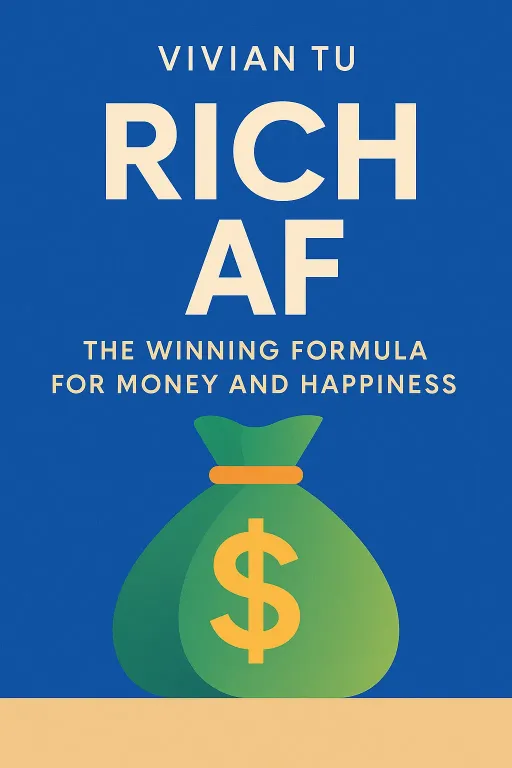
Nova: That's where Vivian Tu’s "Rich AF" comes in, and it's a fantastic counterpoint. Coming from a Wall Street background as a former equity trader, Tu pulls back the curtain on the often-intimidating world of investing and wealth building. Her candid, no-BS style empowers readers to challenge traditional financial norms and adopt a proactive, informed approach. She's really about demystifying the whole system.
Atlas: So you’re saying we’re covering the entire financial journey today, from navigating the initial struggle to actually playing the wealth-building game on our own terms? I'm curious.
Laying the Financial Foundation: Escaping the 'Broke' Mindset
SECTION
Nova: Precisely. We'll start with that foundational level, what Erin Lowry calls the "broke millennial" experience. It’s not just about lacking money, it’s about lacking a clear path forward. Lowry dives into common pitfalls like student loans, budgeting, and saving, but what makes her stand out is her approach. She emphasizes practical, relatable steps, making the overwhelming feel manageable.
Atlas: Practical, relatable steps. That sounds almost too good to be true, doesn't it? Because for someone just starting out, or maybe someone who’s been struggling for a while, the financial world can feel like a labyrinth designed to keep you lost. How does she simplify that without making it feel condescending?
Nova: She does it by meeting people where they are. Take, for instance, the classic budgeting dilemma. Many financial gurus push rigid, deprivation-focused budgets that are unsustainable. Lowry, however, frames it differently. She talks about "intentional spending." It’s not about cutting out your daily coffee if that brings you joy; it's about where your money goes and making conscious choices that align with your values.
Atlas: So it’s not about being a miser, it’s about being mindful? I can see how that shifts the perspective. It’s like saying, "You can still have your avocado toast, just make sure you’re choosing it, not just mindlessly buying it."
Nova: Exactly! She offers a vivid anecdote about a listener who felt immense guilt over small expenses, while their largest financial leak was an unexamined subscription or an automatic payment they’d forgotten about. Lowry encourages people to audit their expenses, not with judgment, but with curiosity. She might suggest starting with a "no-spend challenge" for a weekend or a week, not as a permanent solution, but as a way to shock your system and reveal hidden spending habits.
Atlas: That’s a great way to put it. Because that kind of active discovery is so much more empowering than just being told "don't spend." It aligns with that pragmatic learner mindset—you want to understand the before you commit to the. But what about those bigger, scarier beasts, like student loans? That's not something you can just "mindfully spend" your way out of.
Nova: Absolutely. And that's where her empathy shines. She acknowledges the sheer weight of student debt. Her approach isn't to magically make it disappear, but to empower you with strategies. For instance, she breaks down the different repayment plans, often simplifying the confusing jargon around income-driven repayment or refinancing. She also highlights the psychological burden, encouraging small, consistent wins. Maybe it's just setting up automatic payments or calling your loan servicer to understand your options, rather than letting the fear paralyze you.
Atlas: So basically you’re saying, instead of being paralyzed by the mountain, she gives you a map and tells you to take the first step. It’s about gaining control, even when the situation feels out of control. That’s actually really inspiring. Because a lot of people just bury their heads in the sand when it comes to debt.
Nova: Precisely. She makes the point that financial control isn't about perfection, it's about progress. It’s about recognizing your patterns and then, with small, consistent changes, steering the ship in the right direction. It's truly about building momentum through small, manageable actions. And that naturally leads us to the next stage of the journey, moving beyond just managing your money to actively making it work for you.
Beyond the Basics: Building Wealth and Challenging Financial Norms
SECTION
Nova: Once you've got that solid foundation, the question becomes: how do you build? And this is where Vivian Tu, with her "Rich AF" philosophy, really shakes things up. She leverages her background as a former Wall Street equity trader to demystify complex financial concepts. She reveals candid truths about money, investing, and wealth building, encouraging readers to challenge traditional financial norms.
Atlas: Okay, but isn't investing just for people who already have a lot of money, or who spend all day watching the stock market? I mean, the jargon alone can make your head spin. How does she make that accessible for someone who's just graduated from "Broke Millennial" status?
Nova: That’s her superpower. Tu understands that the finance industry it to seem complicated, because complexity often justifies high fees and keeps the average person feeling disempowered. She’s famous for saying things like, "If you can order a complicated coffee drink, you can understand how to invest." She breaks down concepts like compound interest, diversification, and different investment vehicles into bite-sized, understandable pieces, stripping away the intimidating language.
Atlas: So she’s saying, don't be intimidated by the velvet rope; just walk right in. I like that. It aligns with the idea of skill acquisition and mastering new areas, rather than just accepting limitations. Can you give an example of how she challenges those traditional norms?
Nova: Absolutely. A common myth is that you need a huge lump sum to start investing. Tu emphatically debunks this, showing how even small, consistent contributions can grow significantly over time, thanks to the magic of compound interest. She often highlights how the biggest barrier isn't a lack of capital, but a lack of and. She might use an analogy of planting a tiny seed; you don't need a whole forest to start, just one seed and consistent watering, consistently. The growth compounds over time.
Atlas: That makes perfect sense. It’s like, people wait for the perfect moment or the perfect amount of money, and then they never start. But what about the "challenging financial norms" part? Is she advocating for something radical, or just a different perspective?
Nova: She's advocating for a proactive, informed perspective that questions the status quo. For example, she challenges the idea that "saving is always good." While saving is crucial, she argues that saving, especially in a low-interest account, means your money is actually purchasing power due to inflation. She shifts the focus from simply saving to strategically your money so it grows faster than inflation, essentially making your money work harder for you.
Atlas: Oh, I see! So it’s not just about accumulating money, it’s about making your money work you, almost like an employee. That's a great way to put it. It’s a subtle but profound shift in mindset – from defensive saving to offensive wealth building. It sounds like she's empowering people to take control, not just follow blindly.
Nova: Exactly. She encourages listeners to become their own financial advocates, to ask questions, and to understand the "why" behind financial decisions. It’s about moving past the fear of investing and understanding that the biggest risk is often investing at all. Both Lowry and Tu, in their own ways, are about demystifying finance and making it accessible, but for different stages of your journey.
Synthesis & Takeaways
SECTION
Nova: So, bringing these two incredible authors together, what we see is a complete financial journey. Erin Lowry gives you the practical tools and the empathetic hand-holding to get out of the "broke" cycle and build a solid foundation. Vivian Tu then picks up that baton, saying, "Okay, you're stable. Now let's talk about actually getting rich and understanding the system, not just surviving it."
Atlas: That’s such a powerful progression. It’s like, first, learn to walk, then learn to run a marathon. Both are about empowering the individual, giving them the knowledge to navigate a system that often feels designed to keep them out. The key seems to be moving from feeling overwhelmed to feeling informed and in control, truly embracing that drive for mastery.
Nova: Absolutely. And it brings us back to that fundamental idea of self-growth and building a better future, which we know is so important to our listeners. It’s not about overnight success, but about consistent, informed action, valuing your time, and using it wisely to build momentum.
Atlas: Right, small steps build momentum. And that's what makes this so actionable. So, for our listeners out there, considering your current financial habits, what is one small, consistent change you can make this week that aligns with building long-term wealth? Maybe it's reviewing those forgotten subscriptions, setting up an automatic transfer to savings, or finally looking into that investment account you've been putting off.
Nova: That’s the core of it. It’s about taking that one step, however small, and building on it. Because that journey, from feeling broke to building wealth, starts with a single, intentional decision.
Atlas: Powerful stuff, Nova. Really makes you think about those daily choices.
Nova: It truly does.
Nova: This is Aibrary. Congratulations on your growth!