

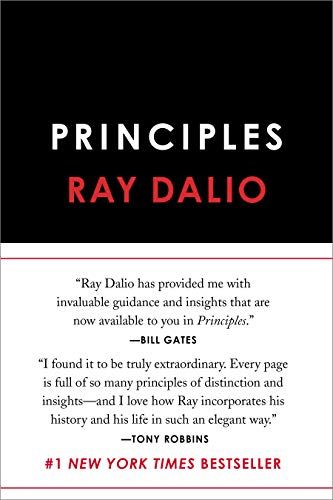
The Logic of Success
Golden Hook & Introduction
SECTION
Atlas: Success isn't about the destination, it's about the daily grind. But what if that grind is actually the most misunderstood part of achieving anything meaningful?
Nova: Oh, Atlas, that's a fantastic way to kick us off. It hits right at the heart of what we're exploring today. When we talk about "The Logic of Success," we're not talking about a single, magical book that unlocks all the secrets overnight. Instead, think of it as a philosophy, a way of operating that's been observed and refined over time. It’s a framework that’s been built by looking at how truly impactful people, the visionaries, the strategists, the catalysts, actually navigate their lives and their ambitions. It’s less about one specific author and more about a consistent set of principles that drive extraordinary outcomes.
Atlas: So, it’s more of a distilled wisdom, then? Not a prescriptive manual, but a lens through which to view our own growth and aspirations? Because I think a lot of us, myself included, can get caught up in the myth of the overnight success story, or the idea that there's one secret key. And when that doesn't pan out, it’s easy to feel discouraged.
Nova: Exactly. And that brings us beautifully into our first core idea: embracing the growth journey itself. The logic of success hinges on understanding that achievement isn't a sprint; it’s a marathon, and often, a very winding, unpredictable one. The "dynamic life stage" you mentioned earlier, that feeling of constant flux and desire for growth, that's precisely where this principle comes into play. It’s about shifting our perspective from "Am I there yet?" to "Am I moving forward?"
Embracing the Growth Journey
SECTION
Nova: Think about it this way: we're often fed narratives of instant success. The entrepreneur who goes from garage to IPO in two years, the artist who's discovered overnight. These stories are compelling, but they’re the outliers, the statistical blips. The reality for most of us, for anyone aiming for sustained, meaningful success, is that it’s built brick by painstaking brick. The "daily grind" isn't just the tedious part we have to endure; it’s the fundamental building material.
Atlas: Right, so instead of seeing the daily tasks as obstacles to the real goal, they the goal, or at least the primary mechanism for reaching it. But Nova, for listeners who are juggling work, family, and just the sheer overwhelm of modern life, that "daily grind" can feel like a relentless treadmill. How do we find the motivation to engage with it positively, especially when the results aren't immediately visible? It’s hard to embrace a journey when you’re just trying to survive the day.
Nova: That’s such a critical point, Atlas. And it’s where the "embrace the journey" mindset truly shines. It’s not about ignoring the challenges or the fatigue. It’s about reframing our relationship with effort and progress. The key insight here is that your insights valuable, even in small doses. That 15 minutes you commit daily? It’s not just 15 minutes lost from something else; it’s 15 minutes invested in building a future capability. The book’s recommendation to schedule and protect that time isn't arbitrary. It’s about creating a consistent ritual that acknowledges the value of incremental progress.
Atlas: So, it’s like compound interest, but for personal development? You put in a little bit every day, and over time, it grows exponentially. But how do we that value in the moment? When I’m staring at a blank page for my own writing, or trying to learn a new software, those 15 minutes can feel utterly unproductive. I don’t feel smarter, I don’t feel more capable. It just feels like… 15 minutes gone.
Nova: That’s the illusion of the grind. The value isn't always immediate; it’s cumulative. Think of a gardener. They don't see a fully grown oak tree the day they plant a sapling. They water it, they weed around it, they nurture it daily. The growth is slow, almost imperceptible day-to-day, but over months and years, the tree becomes magnificent. The "Logic of Success" encourages us to be that gardener. It’s about trusting the process, understanding that consistent, focused effort, even when it feels small, is the most powerful engine for long-term growth. It builds resilience, it deepens understanding, and it creates momentum. That focused reading, that dedicated practice – it’s not just acquiring information; it’s rewiring your brain, building new neural pathways, and increasing your capacity for future challenges.
Atlas: I like that analogy. It shifts the focus from the daunting final product to the manageable, consistent action. So, the "logic" here is that consistent, small inputs yield significant, compounding outputs over time, and the mindset shift is to value that process itself, rather than just the endpoint. It’s about finding meaning and growth in the doing, not just the having.
Nova: Precisely. It’s about cultivating patience and recognizing that mastery is a marathon, not a dash. It’s about finding the quiet satisfaction in showing up for yourself, day after day, knowing that each small step is adding to a larger, more robust foundation.
The Catalyst of Impact
SECTION
Nova: And that foundation, that consistent effort, needs a direction, a purpose. Which leads us to our second core idea: the catalyst of impact. This is where the "Visionary," the "Strategist," and the "Catalyst" archetypes come into play. Success, in this framework, isn't just about personal accumulation or achievement; it's deeply tied to impact, to shaping the future. It’s driven by a clarity of purpose and a focused approach.
Atlas: This is where it gets really interesting for me, Nova. We’ve talked about the "dynamic life stage" and the desire for growth. Many of our listeners are in that phase where they know they want, they want to make a difference, they want to shape the future, but they might not have that crystal-clear vision yet. They might feel pulled in multiple directions, or perhaps they don't see themselves as a "Visionary" or a "Catalyst" in the traditional sense. How does one tap into this impact-driven clarity when life feels so… diffuse?
Nova: That's a fantastic question, Atlas, and it gets to the heart of practical application. Clarity doesn't always arrive as a lightning bolt. Often, it's a process of excavation. It starts with introspection: What truly matters to you? What kind of future do you want to see? What problems, big or small, do you feel compelled to solve? The "Logic of Success" suggests that this deep-seated drive for impact is a powerful internal compass. It’s not about having all the answers immediately, but about being honest about your core motivations. The visionary sees a potential future, the strategist maps a path, and the catalyst initiates movement. These roles aren't mutually exclusive, and they don't require a grand title.
Atlas: So, it’s less about having a grand title and more about embodying a certain approach. But what does "focused approach" actually look like when you’re bombarded with information, opportunities, and distractions? It feels like the modern world is designed to pull our focus in a million different directions. How do we become that laser, as opposed to a scattered flashlight?
Nova: That's where the strategist in you, or the potential strategist in any of us, comes into play. Focus is an active discipline. It’s about making deliberate choices about where to direct your energy and attention. It’s about learning to say "no" to the things that distract you from your core purpose, even if they seem appealing or urgent. Think of a laser beam. It’s incredibly powerful because all its energy is concentrated on a single point. A flashlight, on the other hand, disperses its light widely, illuminating a broader area but with less intensity. The logic here is that by intentionally focusing your efforts on what truly aligns with your impact goals, you amplify your effectiveness exponentially. This means identifying your key priorities, the few things that will genuinely move the needle, and dedicating your most valuable resources – your time, your energy, your intellect – to them.
Atlas: That makes a lot of sense. It's about intentionality. But what about the "Catalyst" part? How does someone become a catalyst for change, especially if they're not in a leadership position or don't have formal authority? It feels like you need to be the one driving the bus, not just a passenger.
Nova: Ah, but being a catalyst isn't always about being the driver. Sometimes, it’s about being the spark that ignites the engine, or the force that greases the wheels. A catalyst in chemistry is a substance that increases the rate of a chemical reaction without itself undergoing any permanent chemical change. Applied to success, it means being someone who can identify opportunities for progress, who can connect people or ideas, who can inject energy or a new perspective that shifts the dynamic. It’s about understanding the system you're in and finding the leverage points where a small intervention can create significant change. This could be as simple as asking a probing question in a meeting that leads to a breakthrough, sharing a piece of information that connects two people who can collaborate, or simply bringing a positive, solutions-oriented attitude to a challenging situation. It’s about enabling others and facilitating progress, driven by that core desire for impact.
Atlas: So, it’s about understanding the underlying mechanics and then applying precise, often subtle, interventions to drive a larger outcome. That’s fascinating. It reframes the idea of impact from being solely about grand gestures or top-down control to something more nuanced and accessible, something anyone can cultivate.
Navigating Tomorrow's Landscape
SECTION
Nova: And this framework, this logic of embracing the journey and acting as an impact-driven catalyst, becomes absolutely essential when we look at our "Next Destinations." These are areas like Leadership & Management, Wealth & Personal Finance, and Society, Tech & Future. These aren't static fields; they are constantly evolving, demanding continuous learning and strategic adaptation.
Atlas: Absolutely. For someone aiming to guide innovative teams, for instance, the "embrace the journey" principle is crucial. You can't just dictate innovation; you have to foster an environment where experimentation, learning from failure, and incremental progress are not just tolerated, but encouraged. How does the "catalyst of impact" play into leadership?
Nova: In leadership, the catalyst role means inspiring vision, empowering team members, and creating the conditions for success. A leader who understands this logic doesn't just manage tasks; they cultivate growth within their team, acting as a catalyst for their collective potential. They champion the journey of development for each individual, recognizing that their collective growth drives the organization's impact. They focus on the future, identifying trends and steering the team towards meaningful objectives, rather than just reacting to current demands. This requires that clarity of purpose – knowing the team exists and future it’s working towards.
Atlas: And then there’s Wealth & Personal Finance. That sounds like a domain where the "grind" is often felt most acutely, and perhaps the least appreciated. How does "The Logic of Success" apply there? Is it just about saving every penny?
Nova: Not at all. It’s about applying the same principles. Embracing the journey of financial growth means understanding that wealth isn't built overnight. It requires consistent saving, disciplined investing, and a long-term perspective. It's about making those small, smart financial decisions daily, rather than chasing speculative booms. The catalyst aspect comes in with strategic financial planning. It's about understanding your financial ecosystem, identifying leverage points for growth – whether that’s smart investments, effective budgeting, or building additional income streams – and making deliberate moves that accelerate your financial security and freedom. It’s about shaping your financial future, not just passively experiencing it.
Atlas: That reframes wealth building from a daunting, complex maze into a series of deliberate, manageable steps guided by a clear purpose. And what about the third area: Society, Tech & Future? This feels like the ultimate landscape of constant change, where understanding emerging trends is paramount.
Nova: This is where the "visionary" aspect really comes to the fore, coupled with the "strategist" and "catalyst." To understand society, tech, and the future, you need to embrace the journey of continuous learning. The landscape shifts so rapidly that what you knew yesterday might be outdated today. So, that 15 minutes of focused reading becomes critical for staying informed. The "catalyst of impact" here is about not just understanding these trends, but thinking about how they can be shaped for positive outcomes. It’s about asking: How can we leverage new technologies to solve societal problems? What kind of future do we want to build, and what are the strategic steps we need to take now to get there? It’s about moving from passive observer to an active participant in shaping the future, armed with clarity and focused action.
Atlas: So, in essence, this logic provides a consistent operating system for tackling diverse challenges. Whether it's leading a team, building financial security, or navigating societal shifts, the core principles of valuing the journey, cultivating clarity of impact, and acting as a focused catalyst remain the guiding force. But for someone listening, who might feel particularly overwhelmed by one of these "Next Destinations," what’s the single most important takeaway for them to start applying this logic?
Nova: The most potent starting point, echoing the core recommendation, is to protect that 15 minutes daily for focused learning or reflection. It’s the tangible embodiment of embracing the growth journey. That small, consistent act builds the discipline, fosters the clarity, and creates the momentum needed to tackle those bigger ambitions. It’s the simplest application of "The Logic of Success" and often the most overlooked.
Synthesis & Takeaways
SECTION
Nova: So, to tie it all together, "The Logic of Success" isn't about a secret formula, but a profound understanding of process and purpose. It's about recognizing that true achievement is cultivated through the consistent, patient embrace of the growth journey, where every small step matters. It's about finding clarity in your desire to make an impact, and then acting as a focused catalyst to shape the future you envision. And finally, it's about applying these principles dynamically to master the complexities of leadership, finance, and the ever-evolving world around us.
Atlas: It’s about building a robust internal operating system for life, rather than just chasing external rewards. The idea that success is a continuous process, fueled by purpose and enacted through focused action, feels both empowering and profoundly practical. For listeners who want to begin this journey, what’s one small, actionable step they can take right now, beyond just scheduling that time?
Nova: I'd encourage you to identify one specific area from those "Next Destinations" – leadership, wealth, or society/tech – that sparks your curiosity the most. Then, commit to that 15 minutes of focused learning on that area for the next week. Don't try to master it; just commit to understanding it a little better each day. That’s the seed of embracing the journey and shaping your future.
Atlas: That’s a perfect, actionable nudge. Thank you, Nova. This has been incredibly insightful.
Nova: My pleasure, Atlas.
Atlas: This is Aibrary. Congratulations on your growth!