

How to Speak with Confidence Without Losing Your Authentic Self
Golden Hook & Introduction
SECTION
Nova: Alright Atlas, we're talking about confidence today, specifically how to speak with it without losing your authentic self. Give me your five-word review of that concept. Go!
Atlas: Oh, I love this! Hmm… "Be real, stand tall, connect."
Nova: Oh, I like that! "Be real, stand tall, connect." Mine would be: "Anxiety is a secret superpower."
Atlas: Wow, whoa! That's a bold claim right out of the gate! A superpower? Tell me more.
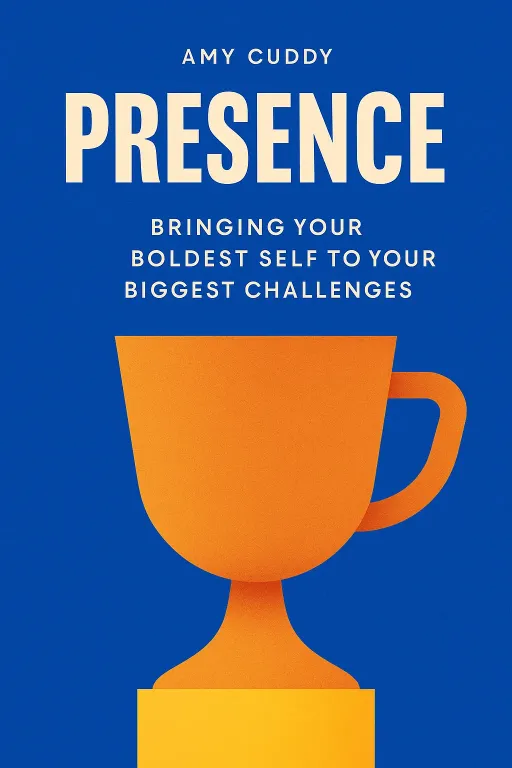
Nova: Well, it’s all about reframing how we approach that familiar knot in the stomach, that slight tremor in our voice when we're about to speak, especially when it's something new or important. Today, we're diving into insights from two incredible minds who’ve helped us redefine what confidence truly means: Amy Cuddy, known for her groundbreaking work on presence, and Brené Brown, who has profoundly shaped our understanding of vulnerability and courage. Cuddy's journey, in particular, is fascinating; after a traumatic brain injury, she channeled her own struggles with feeling "present" into her research, which eventually became a global phenomenon. And Brown, well, her extensive research into shame and vulnerability has truly resonated, shifting cultural conversations worldwide.
Atlas: That’s amazing. I mean, their work has such a widespread impact, it’s hard to imagine communication without thinking of their insights now. It’s definitely not just academic theory anymore.
The Silent Power of Presence: How Your Body Shapes Your Mind
SECTION
Nova: Exactly. And that notion of presence is where we start. Amy Cuddy, in her work on "Presence," challenges this idea that confidence is purely an internal, mental state. She proposes it's a two-way street: your mind affects your body, sure, but your body profoundly affects your mind.
Atlas: Hold on, are you saying just standing a certain way can really make me confident, not just look it? For someone trying to master a new language, where you already feel a bit out of your depth, that feels almost too simple. Like, I’m supposed to just pose my way into fluency?
Nova: It’s not about faking it until you make it in a superficial way, Atlas. It's about your internal state. Cuddy's research, which gained massive attention and sparked a lot of discussion, suggests that adopting "high-power poses" – expansive, open postures – for just a couple of minutes can actually change your neuroendocrine levels. It can lower cortisol, the stress hormone, and increase testosterone, associated with confidence and assertiveness.
Atlas: So, it’s a physiological hack? You’re telling me that knot in my stomach, that anxiety before a big conversation or presentation, can be physically rewired?
Nova: Precisely. The argument is that you're not just projecting confidence; you're an internal sense of it. It’s about cultivating what she calls "presence," which is that state of being attuned to and able to express your true thoughts, feelings, and values. Even if some of the initial physiological claims have seen scientific debate and refinement, the psychological and anecdotal impact remains incredibly powerful for many. People consistently report feeling more confident and less anxious when they intentionally adopt these postures.
Atlas: That makes me wonder about our listeners, especially the "Aspiring Communicators" and "Global Connectors" who are constantly pushing their comfort zones. For them, that "healing moment" described in our core content – feeling your feet on the ground, standing tall, taking a deep breath – how does that connect to this idea of presence and literally changing your mind?
Nova: That's the perfect connection. That simple act of taking a deep breath, standing tall for two minutes, feeling your feet on the ground – it’s a micro "power pose." It’s an intentional physical action that grounds you, shifts your physiology, and brings you into the present moment. That anxiety, that knot in your stomach? It’s a sign you care, a surge of energy. This practice helps you channel that energy into focus and connection, rather than letting it overwhelm you. It’s about making anxiety a tool, not a barrier.
Vulnerability as Your Ultimate Superpower: Building Bridges, Not Walls
SECTION
Nova: And that notion of genuine presence naturally leads us to a fascinating, deeper layer of connection, from another brilliant mind: Brené Brown. Because what good is presence if you're not truly connecting? Brown, in "Daring Greatly," flips our conventional understanding of vulnerability on its head.
Atlas: But wait, for someone trying to build bridges in a global setting, where you often to project strength and competence, isn't vulnerability risky? Isn't that like showing your cards too early, especially in a new language where you might already feel less articulate? It feels counterintuitive to project confidence by being vulnerable.
Nova: It absolutely feels counterintuitive because our culture often equates vulnerability with weakness. But Brown's extensive research, which has resonated with millions and sparked movements, reveals that true vulnerability is actually courageous. It’s not oversharing or emotional incontinence; it's about showing up authentically, even when there are no guarantees. It’s daring to be seen, imperfections and all. When we try to appear flawless, we create a barrier. We build walls instead of bridges.
Atlas: So, it's not about being weak, it's about courageously being? Like, admitting you're still learning a phrase in a new language, instead of trying to hide it? That’s actually really powerful for our "Global Connector" listeners, who are always navigating new linguistic and cultural landscapes.
Nova: Exactly! Imagine you’re speaking a new language, and you stumble over a word. The "flawless" approach would be to get flustered, apologize profusely, or try to cover it up. The vulnerable approach? Acknowledge it, maybe even laugh at yourself a little, and ask for help. "Oh, my apologies, I'm still learning that phrase, how do you say X?" That act of vulnerability doesn't diminish your competence; it actually builds trust and connection. People see your humanity; they see your courage to try.
Atlas: That makes so much sense. It’s about creating deeper bonds rather than maintaining a perfect facade that ultimately isolates you. It's about being courageous enough to be imperfect.
Synthesis & Takeaways
SECTION
Nova: So, we’ve got internal presence from Cuddy – using your body to shift your mind – and authentic connection through vulnerability from Brown. How do these two seemingly different approaches harmonize to create that truly confident, authentic communicator?
Atlas: I guess it’s about realizing that true confidence isn't about feeling anxious or making a mistake. It’s having the tools to manage that anxiety, like those presence practices, and then the courage to show up anyway, imperfections and all, knowing that's actually what builds real connection.
Nova: Well said. That knot in your stomach? It’s not an enemy to be vanquished; it’s a sign you care about what you're doing and who you're connecting with. Embrace it, channel it, and then dare to be truly seen.
Atlas: For our listeners today, if there's one thing you could try this week to speak with more confidence and authenticity, what would it be? What’s the most practical next step?
Nova: Before your next important conversation, whether it's in your native tongue or a new language, try two minutes of intentional presence. Stand tall, breathe deep, feel your feet on the ground. And then, allow yourself one moment of genuine vulnerability, even if it's just admitting "I'm still learning this, please bear with me." See what happens.
Atlas: That’s a fantastic challenge. We’d love to hear how that goes for you. Share your experiences with us; we’re always eager to connect with our Aibrary community.
Nova: This is Aibrary. Congratulations on your growth!









