

Master the Art of Influence: Lead Without a Title, Drive Change Naturally
Golden Hook & Introduction
SECTION
Nova: What if everything you thought about influencing others was actually backwards? What if the secret to getting people to say 'yes' didn't start with them at all?
Atlas: Whoa, hold on. That sounds like a fundamental rewrite of the rulebook. I mean, we spend so much time analyzing the 'other' side, figuring out their motivations, their pain points. Are you saying we've been looking through the wrong end of the telescope this whole time?
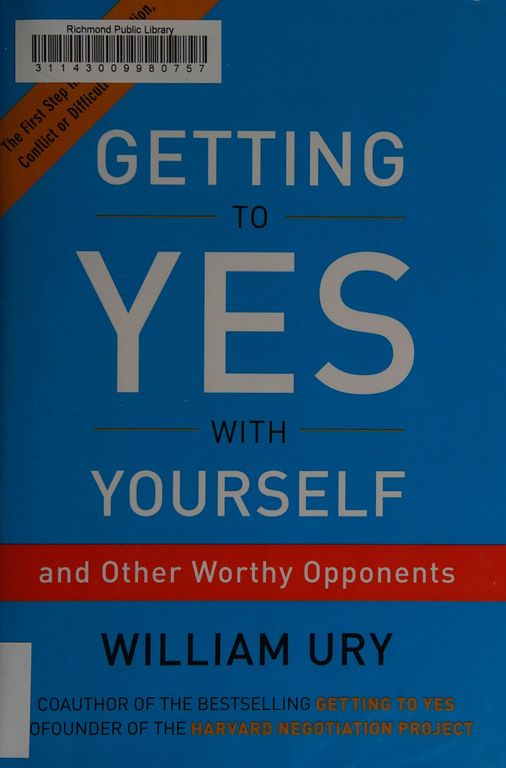
Nova: Absolutely, Atlas. And the brilliant minds behind today's insights would wholeheartedly agree. Today, we're dissecting the profound insights from William Ury's "Getting to Yes with Yourself" and Robert Cialdini's "Pre-Suasion." Ury, a legendary negotiator, famously co-authored "Getting to Yes," the negotiation classic, but later came to a powerful realization: the biggest negotiation isn't across the table, it's often with.
Atlas: That's a fascinating pivot for someone so established in external negotiation. You'd think he'd be all about strategy against an opponent.
Nova: Exactly! And Cialdini, a renowned social psychologist, took a completely different, almost undercover approach. He spent decades infiltrating compliance professionals – from car dealerships to telemarketing firms – to understand the true, often unseen, mechanics of influence. His work revealed that influence often happens you even deliver your message.
Atlas: So, we're talking about an internal alignment first, then an external setup? That's a powerful one-two punch for anyone looking to make a real impact, especially when you're trying to lead without a formal title. It sounds like unlocking an invisible advantage.
Nova: Precisely. And that brings us to our first core idea, which is about tackling the blind spot within.
The Inner Game of Influence: Mastering Self-Leadership Before Leading Others
SECTION
Nova: Many of us approach influence as an external battle – how do I convince? How do I get to see my point? But Ury's "Getting to Yes with Yourself" argues that the biggest obstacle to influencing others is often… ourselves. Our own assumptions, our internal conflicts, our unaddressed fears. They can block progress before we even utter a word.
Atlas: Okay, but how does aligning my inner game actually help me influence a difficult stakeholder? For someone trying to drive go-to-market strategies or get buy-in for a new initiative, this sounds a bit… esoteric. I need tangible results, not a therapy session before every meeting.
Nova: I hear you, and that's a fair challenge. Think of it this way: imagine a leader who consistently struggles to get their team on board with innovative ideas. They present the data, they make compelling arguments, but there's always resistance. Ury might suggest that this leader hasn't resolved their own internal fear of failure, or perhaps they haven't truly bought into the innovative idea themselves.
Atlas: So, their internal doubt is unconsciously leaking out? That's a subtle point.
Nova: It's incredibly subtle, yet profoundly impactful. If you're internally conflicted, that lack of congruence—that feeling of being out of alignment—is palpable. People sense it. They might not be able to articulate it, but they pick up on the hesitancy, the lack of conviction. Ury's work helps you step back, understand your true underlying interests, not just your stated positions, and resolve those internal blocks. Once you're truly clear, confident, and aligned within yourself, your external communication gains immense power and authenticity.
Atlas: That makes sense. It's like trying to navigate a ship when the captain is arguing with himself about the destination. You're just going to drift. So, what's a practical step for our listeners to identify these internal assumptions or conflicts? How do I even know what's blocking me, especially when I'm under pressure to deliver rapid advancement?
Nova: A great starting point, inspired by Ury's work, is what he calls 'going to the balcony.' It's a mental exercise: when you feel stuck or frustrated in an influencing situation, metaphorically step onto a balcony and observe yourself and the situation from a distance. Ask yourself: What am I assuming about this person or situation? What am I feeling? What are true interests here, beyond just 'winning' this argument? It's about detaching from the immediate emotional reaction and gaining perspective. That clarity is the first step to resolving internal resistance and building a strong foundation for external influence.
Pre-Suasion: Architecting Receptivity Before You Even Speak
SECTION
Nova: Once you've mastered that inner game – that self-leadership – the next layer of profound influence, as Robert Cialdini reveals in "Pre-Suasion," happens even you open your mouth. It's about strategically preparing people to be receptive to your message.
Atlas: Pre-suasion? You mean like, Jedi mind tricks? What does that even look like in a real-world leadership scenario, beyond just a product launch? It sounds a bit like manipulation, which is the opposite of authentic leadership.
Nova: It's far more nuanced and ethical than manipulation, Atlas. Cialdini shows that the moments we deliver our message are crucial. He calls it "the privileged moment"—the time when people are most open to what we're about to say. The classic case study he often cites is from an online furniture retailer. They wanted to boost sales of their expensive, comfortable sofas. Instead of just putting up pictures of the sofas, they briefly displayed images of fluffy clouds on their website's landing page.
Atlas: Clouds? Why clouds?
Nova: Exactly! The clouds subtly primed visitors for comfort and softness. When people then saw the sofas, they were already in a mental state associated with comfort, making them more likely to value and purchase the expensive, comfortable options. Conversely, when the retailer wanted to sell more functional, affordable desks, they showed images of coins on the landing page, priming for cost-effectiveness. The results were dramatic increases in sales for both.
Atlas: That's wild! So, for someone trying to build leadership presence without formal authority, how do you 'pre-suade' a room to listen to your ideas? It sounds like an invisible advantage for accelerating impact, but how do you apply that in a meeting?
Nova: It's all about directing attention, Atlas. If you want people to focus on innovation, you might start a meeting by sharing a compelling story about a recent breakthrough, even if it's unrelated to your specific topic. If you want them to be collaborative, you might arrange the seating in a circle rather than rows, or start with a quick team-building exercise. For someone aiming to influence without formal authority, it's about choosing your words, your setting, even your opening question, to subtly guide their attention and mindset you present your proposal. It's about creating the mental landscape where your message can flourish.
Atlas: That's a powerful concept. It's not about changing their minds with brute force, but gently preparing the ground for your seeds to take root. So, the leader who masters their inner game, then strategically sets the stage for their message, is operating on a whole different level of influence.
Synthesis & Takeaways
SECTION
Nova: Exactly. These two concepts together form a powerful blueprint for true influence. First, Ury reminds us that inner alignment creates authentic influence. You can't lead where you haven't gone yourself, internally. Your conviction, your clarity, your resolved conflicts—they shine through.
Atlas: And then Cialdini comes in and says, 'Okay, now that you're aligned, let's make sure your audience is actually ready to receive that authentic message.' So, true influence is a two-step dance: first with yourself, then with the environment around your message. It's about being genuine, but also being strategically smart about how you deliver that genuine message.
Nova: It's a profound shift in perspective, moving beyond simple persuasion tactics to a deeper, more holistic understanding of human connection and receptivity. It's about leading without a title, driving change naturally, by understanding both the internal and external landscapes of influence.
Atlas: That's incredibly insightful. And it makes me think about our listener, the strategic integrator, the impact seeker. What’s one internal assumption you hold that might be limiting your ability to influence a key stakeholder, and how can you start addressing it today using Ury's 'balcony' technique?
Nova: And how can you apply Cialdini's 'pre-suasion' principles to your next important conversation? Think about how you can subtly prime your audience for receptivity, making your message land with greater impact.
Atlas: It's about being intentional, inside and out. Thank you, Nova, for breaking down these complex ideas into such actionable insights.
Nova: My pleasure, Atlas. Always a fascinating conversation.
Atlas: This is Aibrary. Congratulations on your growth!