Stop Reacting, Start Responding: The Guide to Calm Leadership in Chaos.
Golden Hook & Introduction
SECTION
Nova: Atlas, five words. Describe the feeling of being a nurturing innovator on a Tuesday morning.
Atlas: Oh man, whirlwind, demands, coffee, email,? Did I get that in five?
Nova: You absolutely nailed the essence, especially that last one! That "breathe" part is the perfect setup for our topic today. We're unpacking the wisdom from "Stop Reacting, Start Responding: The Guide to Calm Leadership in Chaos."
Atlas: And I'm guessing that 'breathe' part is where the 'calm leadership' comes in, right? Because honestly, for anyone juggling multiple projects and trying to genuinely uplift their team, "calm" often feels like a four-letter word.
Nova: Exactly. This guide is for anyone feeling that constant pressure, the ones trying to innovate and nurture, but battling burnout. It’s about not just surviving the chaos, but truly leading through it, with presence. We're going to dive deep into how changing our internal framework can redefine challenges, and then explore practical ways to weave mindfulness into our busiest days to cultivate a truly responsive presence.
The Growth Mindset: Shifting from Proving to Improving for Calm Leadership
SECTION
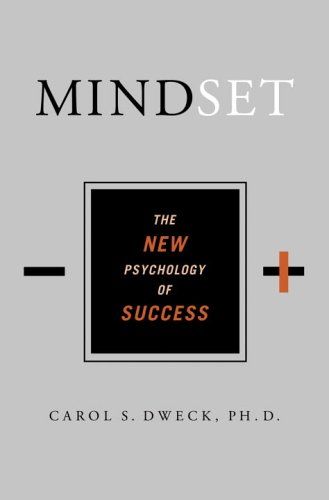
Nova: So, let's start with the internal shift. One of the foundational texts that informs this idea of calm leadership is Carol S. Dweck's groundbreaking work, "Mindset." Her core insight? The way we think about our abilities and challenges profoundly impacts how we lead.
Atlas: Okay, but in a high-stakes environment, where innovation is key and results are expected, isn't 'proving yourself' kind of part of the game? Like, you have to show you're capable.
Nova: That’s a common perception, and it’s precisely what Dweck addresses. She differentiates between a fixed mindset, where abilities are seen as static and innate, and a growth mindset, where they're seen as malleable and developable. When you're constantly trying to 'prove' yourself, every challenge becomes a test of your inherent worth. Failure feels devastating.
Atlas: Right, because if I fail, it means am a failure. That sounds like a fast track to burnout.
Nova: Precisely. But with a growth mindset, challenges are reframed. They're not threats to your competence; they're opportunities for learning. A setback isn't 'I am inadequate,' it's 'I haven't mastered this.'
Atlas: So, it's about seeing a failure not as 'I failed,' but 'I learned how not to do it that way'? That seems like a huge mental shift.
Nova: It absolutely is. Imagine a project leader, a nurturing innovator, who introduces a new, bold idea to their team. It hits a major snag.
Atlas: My heart rate just went up thinking about that.
Nova: With a fixed mindset, that leader might panic, blame external factors, or internalize it as a personal failing, leading to stress and withdrawal. But a leader with a growth mindset? They'd see it as data. They'd ask, 'What did we learn here? How can we adapt? How does this setback actually open a door to a more innovative solution?'
Atlas: That’s actually really inspiring. For someone who deeply cares about their team's development, how does this growth mindset help them lead more calmly? Because you can't just tell people, "Hey, have a growth mindset!"
Nova: You can't just tell them, but you can model it. When a leader embraces challenges as learning opportunities, it creates psychological safety for their team. It signals that experimentation and even 'failing forward' are valued. This reduces the team's stress, fosters creativity, and ultimately leads to more sustainable innovation. It shifts the focus from proving who is smart to improving how we all work together.
Atlas: That makes perfect sense. It builds resilience not just for the individual, but for the entire collective.
Mindfulness in Motion: Cultivating Responsive Presence Amidst Daily Chaos
SECTION
Nova: And that shift in mindset naturally leads us to the next crucial piece of the puzzle: how do we actually that calm when the whirlwind hits? This is where Thich Nhat Hanh's profound work, "Peace Is Every Step," offers incredibly practical wisdom.
Atlas: Hold on, 'peace in every step'? My steps are usually a frantic dash between meetings, or pacing while I’m on a call. How does work when your day feels like a race against the clock?
Nova: That's the beauty of Hanh's teaching. He doesn't ask us to retreat to a mountaintop. He teaches that mindfulness can be woven into the fabric of our everyday activities, turning routine moments into opportunities for peace. It's about bringing awareness to what we're doing.
Atlas: Can you give an example? Because it sounds a bit abstract.
Nova: Absolutely. The book suggests what it calls a 'tiny step' exercise. Choose one routine daily activity—like making your morning tea or coffee, walking from your car to your office, or even just washing your hands. For just five minutes, fully focus on that activity. Notice every sensation. The warmth of the mug, the scent of the tea, the feeling of your feet on the ground, the sound of the water.
Atlas: So, instead of thinking about the mountain of emails waiting for me while I'm making tea, I just... make tea?
Nova: Exactly. That brief anchor in the present moment reduces anxiety about the past or future. It's a micro-meditation, a conscious pause that resets your nervous system. It’s not about adding another task to your already full plate; it’s about transforming how you engage with the tasks you already have.
Atlas: That sounds like it could really help someone who feels constantly pulled in different directions. It's not finding pockets of quiet, it's about bringing awareness the busy moments.
Nova: Precisely. For a nurturing innovator, who is constantly context-switching and problem-solving, these tiny moments of presence are vital. They prevent the build-up of reactive stress, allowing you to approach the next demand not as an emergency, but as something you can respond to with clarity and intention.
Atlas: So, a mindful leader isn't just calmer, they're making better, more intentional decisions because they're not just reacting on autopilot.
Nova: That’s it. They're able to choose their response rather than being swept away by the immediate pressure. It’s about cultivating that responsive mindset that allows you to maintain your impact and well-being, even when everything around you feels chaotic.
Synthesis & Takeaways
SECTION
Nova: So, we've talked about the internal shift with a growth mindset from Carol Dweck, and then the practical, moment-by-moment anchoring with everyday mindfulness from Thich Nhat Hanh.
Atlas: It sounds like these two ideas really complement each other – one helps you reframe challenges, and the other helps you stay present enough to apply that new frame in real-time. It’s about building inner strength and then applying it practically.
Nova: Absolutely. This isn't just about feeling better; it's about becoming a more effective, impactful, and truly present leader. For nurturing innovators, who are often the first to burn out because they care so deeply, cultivating this calm, responsive mindset isn't a luxury. It's a strategic necessity to maintain your influence and your personal well-being.
Atlas: I can see how prioritizing even a tiny bit of mindful presence, like that tea-making exercise, could be the boundary-setting 'me-time' that the user profile mentioned. It protects your energy in a way that just powering through doesn't.
Nova: Exactly. It's about protecting that boundary fiercely, for your own well-being and for the benefit of those you lead. So, for our listeners, consider this: what is one area where you feel constantly reactive? How might reframing that challenge, combined with a moment of mindful presence, fundamentally shift your response?
Atlas: And perhaps that 'me-time' we sometimes put off could be that mindful tea-making, or just five minutes of truly present walking. Rather than an extra burden, it becomes the foundation for everything else.
Nova: That's the profound insight. It's about finding the puzzle pieces to cultivate resilience and sustained calm, turning chaos into an opportunity for growth and presence.