The 'Cosmic Perspective': Why Seeing the Big Picture Changes Everything.
Golden Hook & Introduction
SECTION
Nova: You know, it’s fascinating how often our biggest challenges stem not from a lack of focus, but from an of it. We zoom in so tightly on the immediate, the urgent, the next quarter’s report, that we lose sight of the entire landscape.
Atlas: But isn't that intense, almost microscopic focus exactly what's required for strategic success? For anyone trying to navigate C-suite demands or secure generational wealth, getting lost in the "big picture" can feel like a luxury they can't afford. It’s about execution, right?
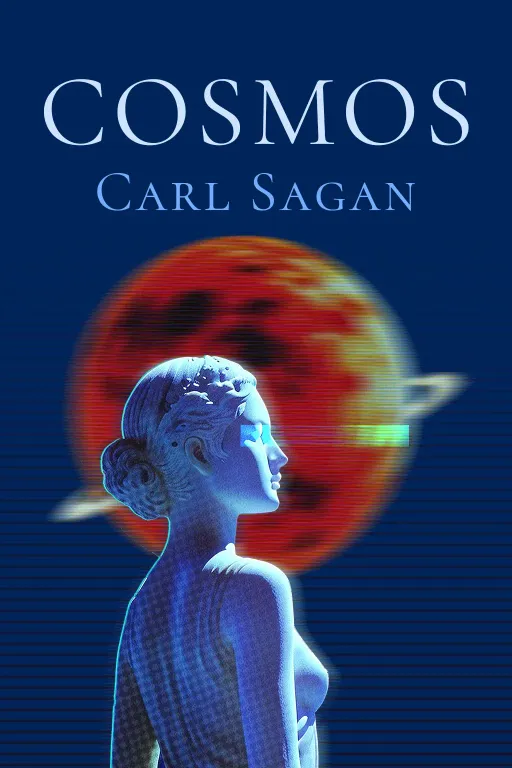
Nova: Absolutely, execution is vital. But what if the very act of zooming out, of embracing a truly perspective, could be the most strategic move you make? Today, we're diving into that idea, inspired by the profound insights of Carl Sagan's iconic works, "Cosmos" and "Pale Blue Dot." Sagan wasn't just a scientist; he was a poet of the universe, a master at translating the incomprehensible vastness of space into deeply human meaning. He had this incredible gift for making the universe relatable and profound for millions, which is why his work continues to resonate so deeply.
Atlas: So, we're talking about stargazing to solve earthly problems? I'm intrigued how understanding the scale of the universe can possibly help with, say, a tricky AI innovation challenge or planning your family's future. It sounds beautiful, but is it actionable?
Deep Dive into Core Topic 1: The Blind Spot & The Daily Grind
SECTION
Nova: Oh, it's incredibly actionable, Atlas. Think of it this way: when you're caught in the daily grind, it’s like being a gardener with your nose inches from a single weed. You’re entirely focused on that one problem, but you can’t see the health of the entire garden, the soil, the ecosystem around it. That’s what we call the "blind spot." It’s the common human tendency to get so consumed by immediate concerns – the urgent email, the next deadline, the market fluctuation – that we essentially lose our strategic peripherals.
Atlas: So, for our listeners who are managing high-pressure teams or building a legacy, this isn't just about feeling overwhelmed, it’s a genuine strategic vulnerability? How does that blind spot manifest in a tangible way?
Nova: Exactly. Let's take a common scenario. Imagine a tech company, brilliantly innovative, but their entire strategic focus is on maximizing quarterly user growth. They pour all their resources into hyper-targeting, A/B testing, and short-term engagement metrics. The cause is clear: intense pressure for immediate returns. The process involves ignoring broader societal shifts, ethical implications of their algorithms, or even the long-term well-being of their user base. The outcome? They might hit their quarterly numbers, but they completely miss a massive global trend toward privacy concerns, or they alienate a significant demographic by prioritizing growth over responsible innovation. They were so good at winning the sprint, they didn't realize they were running in the wrong direction for the marathon.
Atlas: Wow, that’s going to resonate with anyone who's felt the pressure to deliver short-term results, even when their intuition screams for a longer view. It’s almost like that intense focus, while necessary for some tasks, can become a self-imposed limitation, costing you the very stability and lasting impact you're striving for. You mentioned Carl Sagan’s work. How does he propose we move beyond this tunnel vision?
Deep Dive into Core Topic 2: The Cosmic Shift & Earthly Wisdom
SECTION
Nova: And that brings us to the counter-intuitive solution: the cosmic shift. Sagan, in "Cosmos," doesn't just present scientific facts; he invites us to feel the sheer wonder and scale of the universe. He takes us from the smallest subatomic particles to the grandest galaxies, across billions of years of cosmic history. This isn't just an intellectual exercise; it’s an emotional and philosophical journey that instills both awe and profound humility. When you truly grasp the vastness of space and time, your immediate problems, while still real, begin to occupy a much smaller mental footprint.
Atlas: Okay, but how does seeing a 'pale blue dot' translate into, say, a better AI strategy or a more secure family future? It sounds beautiful, but is it actually actionable in a boardroom or when making critical investment decisions?
Nova: That's the magic, Atlas. Sagan's "Pale Blue Dot" concept, where he describes Earth as this tiny, fragile speck suspended in the cosmic dark, fosters an undeniable sense of global stewardship and shared humanity. It’s a powerful antidote to petty concerns, tribalism, and short-sighted self-interest. Consider a leader grappling with a complex ethical dilemma in AI development – say, balancing profit with societal impact, or deciding how to allocate resources for a technology that could shape the next century. A purely immediate, competitive view might push for aggressive, potentially risky strategies.
Nova: But a leader who embraces a cosmic perspective might ask: "What impact will this decision have not just next quarter, but in 50 years, 100 years, on humanity as a whole? How does this align with the long-term flourishing of life on this 'pale blue dot'?" I’m thinking of someone like a visionary tech founder who, early on, prioritized open-source collaboration and ethical guidelines, even when it meant slower initial growth. This decision, inspired by a broader, almost philosophical view of technology's place in human evolution, led to their platform becoming a trusted, indispensable global standard, securing not just financial success but a lasting, positive legacy. It’s about connecting personal ambition to something much larger, ensuring your strategic foresight isn't just about quarterly earnings, but about a multi-generational impact.
Atlas: So, it’s not about ignoring the problems, but about re-contextualizing them. It’s shifting from a zero-sum game to recognizing our interconnectedness. For someone trying to build generational wealth, for instance, it means thinking beyond mere financial accumulation to creating a legacy of values, sustainable practices, and opportunities that truly benefit future generations on that 'pale blue dot.' That's a powerful reframing.
Synthesis & Takeaways
SECTION
Nova: Precisely. The cosmic perspective isn't about escaping our earthly problems; it's about gaining the clarity, the emotional resilience, and the profound sense of purpose to tackle them more effectively. It’s about seeing the forest, the trees, and the entire interconnected planetary ecosystem. It allows you to trust your intuition more, because your intuition is informed by a much grander scale of understanding.
Atlas: So, for our listeners, consider this: How might looking at a current challenge – whether it's navigating a tough C-suite transition, securing generational wealth, or leading in AI innovation – from a 'cosmic perspective' fundamentally change your priorities or your emotional response? What small shift in focus could lead to a monumental shift in outcome?
Nova: My advice is this: intentionally carve out dedicated time for deep reflection, not just active planning. Protect that space, even if it’s just 15 minutes a day to ponder questions bigger than your inbox. Let your mind wander to the stars, to deep time, to the interconnectedness of all things. You'll find that the wisdom you gain will profoundly impact your most earthly decisions.
Atlas: It truly is a powerful tool for strategic architects and nurturing providers keen on leaving a meaningful legacy. Thanks, Nova.
Nova: Thank you, Atlas. This is Aibrary. Congratulations on your growth!