

Mastering the Science of Flavor: Beyond the Recipe Book
Golden Hook & Introduction
SECTION
Nova: Atlas, if I asked you to describe your favorite dish, what’s the first thing that comes to mind?
Atlas: Oh, easy. My grandmother’s lasagna. It’s got that rich, slow-simmered ragu, the creamy béchamel, perfectly al dente pasta… every bite is just pure comfort.
Nova: Exactly! It’s not just the ingredients, is it? It’s the memory, the warmth, the way it makes you. And that's precisely what we're dissecting today. We’re diving into "Mastering the Science of Flavor: Beyond the Recipe Book."
Atlas: Ah, the book that promises to turn every home cook into a culinary alchemist. I’m curious, what's the backstory on this one?
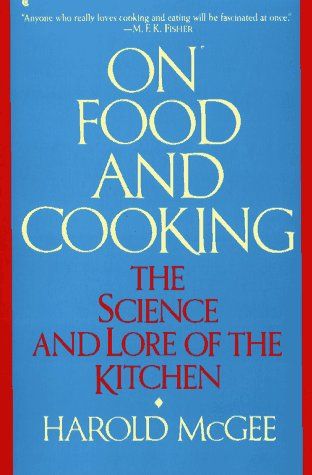
Nova: Well, it’s a fascinating synthesis, really. It pulls heavily from the foundational work of Harold McGee’s "On Food and Cooking," which essentially pioneered the scientific approach to the kitchen, demystifying everything from why browning happens to the physics of emulsions. But it also integrates the more holistic framework of Nik Sharma’s "The Flavor Equation," which breaks down flavor into these fundamental components: taste, aroma, texture, emotion, and visual appeal. It’s a powerful combination that moves beyond just following instructions to truly understanding the 'why' behind deliciousness.
Atlas: So, it's not just another cookbook. It sounds like it's trying to elevate cooking from an art to a science, or perhaps a fusion of both, by giving us the blueprints.
Nova: Precisely. It’s about giving you the tools to innovate, not just replicate. And that’s where we’re starting today: unraveling the very science behind the sizzle.
The Science Behind the Sizzle
SECTION
Nova: Think about that lasagna, Atlas. When you bite into it, there’s an immediate burst of savory, umami notes from the meat and tomato. Then comes the subtle sweetness from the caramelized onions, a hint of acidity cutting through the richness, and the salty kick.
Atlas: Oh, I'm tasting it already. And the textures! The tender meat, the slightly chewy pasta, the crisp edges of the cheese…
Nova: All of those elements, from the chemical reactions that create those rich brown crusts on your meat to the way liquids and fats combine to create that creamy béchamel, are governed by scientific principles. McGee, in his seminal work, really drilled down into this. He’d explain how a simple Maillard reaction, the browning of food, creates hundreds of new flavor compounds. Or how an emulsion, like mayonnaise or that béchamel, is essentially oil and water held together by tiny fat globules, and why it breaks if you add the oil too fast.
Atlas: Hold on, so you’re saying every time I accidentally curdle a sauce, I’m essentially witnessing a scientific experiment gone wrong? My kitchen is a lab, and I’m just a clumsy scientist?
Nova: Exactly! And the beauty of understanding that is you stop blaming yourself and start understanding the. You learn that if your béchamel breaks, it’s often because the fat-to-liquid ratio was off, or the temperature wasn't right, affecting the emulsifiers. It’s not a failure; it’s data. This book takes that foundational knowledge and then builds on it with Sharma’s "Flavor Equation," which expands our understanding beyond just taste buds and chemical reactions.
Atlas: Okay, so beyond the Maillard reaction and emulsions, what else is happening? Because my grandmother definitely wasn't thinking about 'emulsifiers' when she made her sauce. She was thinking about love and good ingredients.
Nova: And that’s where the holistic approach comes in. Sharma deconstructs flavor into five core components: taste, aroma, texture, emotion, and visual appeal. We often focus on taste – sweet, sour, salty, bitter, umami. But think about aroma. Eighty percent of what we perceive as flavor actually comes from our sense of smell. That fragrant basil in your lasagna, the garlic slowly sautéing – those volatile compounds hit your olfactory receptors and tell your brain, "This is delicious!"
Atlas: That’s amazing. So the aroma alone can trick my brain into thinking something tastes better?
Nova: Absolutely. And then there’s texture. The crunch, the chew, the creaminess, the crispness. Imagine eating a perfectly ripe apple. The sweetness and tartness are great, but it’s the when you bite into it that really defines the experience. A mushy apple, even if it tastes sweet, is a disappointment. This book argues that texture is just as critical as taste in determining overall flavor perception.
Atlas: I can totally relate to that. A soggy chip, no matter how well seasoned, is just… sad. But what about emotion and visual appeal? How do those play into the science of flavor?
Nova: This is where it gets really interesting and where the book bridges the gap between pure science and the human experience. Emotion is tied to memory and context. Your grandmother’s lasagna isn’t just good because of its chemical composition; it’s good because it evokes comfort, family, and tradition. Those emotional connections literally enhance your perception of its flavor.
Atlas: Wow. So I'm not just eating food; I'm eating memories. That's a profound thought.
Nova: And visual appeal? We eat with our eyes first. A beautifully plated dish, vibrant colors, fresh garnishes – they prime your brain to expect something delicious. Studies show that people perceive identical food as tasting better when it’s presented attractively. It’s all part of the holistic flavor equation. So, the book argues, true culinary innovation isn't just about mastering a recipe; it’s about understanding all these levers – chemical, sensory, emotional, visual – and intentionally manipulating them.
The Chef as a Scientist
SECTION
Nova: This brings us to the idea of the chef as a scientist. If you understand these underlying principles, your kitchen transforms from a place of following instructions to a laboratory of delicious experimentation.
Atlas: That sounds a bit intimidating for someone who just wants to make a decent weeknight meal. I mean, I’m a strategic leader, I value efficiency. I don’t want to be doing complex calculations every time I cook.
Nova: Not at all! The book’s point is that you already doing it, often intuitively. It simply asks you to become more of it. Think of it as developing a strategic mindset for your cooking. Instead of just adding salt because the recipe says so, you add it because you understand it enhances sweetness, balances bitterness, and brings out other flavors. Instead of just browning meat, you understand you’re creating those Maillard compounds, and you know how to maximize them.
Atlas: Okay, so it’s less about a white lab coat and more about intentionality. Like, if I want to make my tomato sauce richer, I know to caramelize the onions longer for more complex sugars, or to add a touch of umami from anchovy paste or mushrooms.
Nova: Exactly. And the book has a fantastic "tiny step" recommendation for this: experiment with one new ingredient or technique each week, focusing on its scientific impact. Document your findings like a true scientist. How did it change the texture? Did it add a specific aroma? How did it affect the other flavors?
Atlas: That’s a brilliant way to approach it. It aligns with that drive for mastery, that intellectual curiosity, without demanding a huge time commitment. It’s like a mini R&D project in your own kitchen. And for someone who leads teams, the idea of systematic experimentation and documenting results is very familiar.
Nova: It's about moving from "this tastes good" to "this tastes good because..." It gives you the power to troubleshoot, to invent, to adapt. No more blindly following a recipe only to wonder why it didn't turn out like the picture. You'll understand the variables.
Atlas: Okay, so for our listeners who are aiming for mastery, who want to elevate their craft, what would be the single most impactful takeaway from this approach? How do they move beyond just following recipes to truly manipulating flavor?
Nova: The most impactful takeaway is to embrace curiosity over conformity in the kitchen. It's about developing a scientific mindset, seeing every dish as an experiment, and every ingredient as a variable you can understand and control. It’s about asking "why" rather than just "how," and then using that understanding to create something truly unique and delicious. This approach transforms cooking from a chore into an endless journey of discovery, allowing you to innovate and create with purpose.
Synthesis & Takeaways
SECTION
Nova: So, from McGee’s foundational chemistry to Sharma’s holistic flavor equation, what we’ve really explored today is that true culinary innovation isn't mystical; it’s methodical. It’s about understanding the 'why' at a molecular level, allowing for intentional manipulation and creation.
Atlas: That's a powerful thought. It makes cooking feel less like an intimidating art and more like an accessible science, where every attempt, successful or not, provides valuable data for the next experiment. It really resonates with the idea of continuous growth and how understanding fundamental principles unlocks new levels of creativity.
Nova: Absolutely. It’s about empowering you to be the master of your own kitchen, to create dishes that not only taste incredible but also tell a story, evoke emotion, and perfectly balance all those sensory elements. Don't just cook—engineer deliciousness.
Atlas: That’s a fantastic challenge. To all our listeners, dedicate 15 minutes this week to exploring one new culinary technique or ingredient. Observe, document, and learn. Let us know what you discover!
Nova: This is Aibrary. Congratulations on your growth!