The 'Influence Audit': Why Your Best Ideas Aren't Always Adopted.
8 minGolden Hook & Introduction
SECTION
Nova: Atlas, if I told you that your most brilliant, logical, bullet-proof idea was doomed to fail, not because it was bad, but because of how you presented it, what would you say?
Atlas: Oh man, Nova, I'd say you just described every Tuesday morning meeting I've ever been in! It’s that gnawing frustration when you’ve got the data, the strategy, the vision, and it still just… hits a wall. It feels like people aren't even hearing the facts, let alone acting on them.
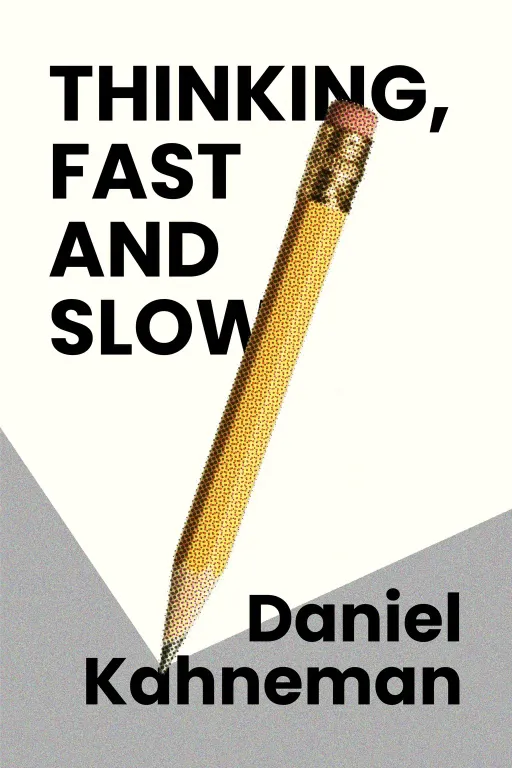
Nova: Exactly! It’s like we’re all operating on different wavelengths, and that gap in understanding can absolutely stall even the most transformative organizational change. Today, we’re doing an "Influence Audit" inspired by two absolute titans in the field: Daniel Kahneman, the Nobel laureate behind "Thinking, Fast and Slow," and Richard H. Thaler and Cass R. Sunstein, who gave us the game-changing book "Nudge."
Atlas: Kahneman, a Nobel winner for economics, delving into how we? That alone tells you this isn't just about spreadsheets; it's about the messy, fascinating human brain. For anyone who sees the big picture and wants to drive significant change, this is about understanding the very fabric of decision-making.
Nova: Precisely. His work, and the work of Thaler and Sunstein, really illuminates why our best ideas aren't always adopted. It's not always the idea that's flawed; it's often the presentation, the subtle architecture of choice.
The Cognitive Blind Spot: Why Our Best Ideas Fail to Land
SECTION
Nova: So, let's dive into Kahneman's groundbreaking work first. He famously introduced us to two systems of thinking: System 1 and System 2. System 1 is fast, intuitive, emotional, almost automatic. Think gut reactions, recognizing a face, or understanding a simple sentence.
Atlas: Okay, I see. So it's the part of your brain that decides if you want that extra slice of pizza without much deliberation.
Nova: Exactly! And System 2? That's your slow, deliberate, logical, effortful thinking. It's what you use for complex math problems, planning a detailed strategy, or weighing the pros and cons of a major decision. The problem, as Kahneman points out, is that most people, even in professional settings, operate far more in System 1 than we realize.
Atlas: Hold on, so you're telling me that even in business, where logic and data are supposedly king, people are making emotional, gut-level calls that derail perfectly rational ideas? That sounds rough for anyone trying to lead with vision and data.
Nova: It's the cognitive blind spot. Imagine a company trying to implement a new, highly efficient, data-driven internal reporting system. It's designed to save countless hours, improve accuracy, and streamline operations. Logically, it's a no-brainer. But adoption is terrible. Why? Because the old system, though clunky, was. It felt safe. The new system, despite its logical benefits, triggered System 1's aversion to change, its fear of the unknown, its emotional resistance to learning something new. It felt.
Atlas: That makes me wonder, how does a leader, who spends their days crafting data-driven strategies, actually break through that System 1 emotional wall? It feels like we're fighting human nature when we just present facts.
Nova: It's not about fighting it; it's about understanding and integrating it. It's recognizing that the emotional, intuitive brain often has the first, and sometimes final, say. If you ignore it, you’re essentially speaking a different language than your audience. You’re presenting a System 2 solution to a System 1 problem. Understanding this gap is the first step in closing it. It’s about not just managing tasks, but understanding the people behind them.
The Art of the Nudge: Architecting for Adoption
SECTION
Nova: And that understanding of our dual thinking systems naturally leads us to the second key idea we need to talk about: the art of the 'nudge,' brilliantly laid out by Thaler and Sunstein in their book "Nudge."
Atlas: I'm curious, what exactly do you mean by 'choice architecture'? It sounds like manipulation, but I imagine it's more nuanced for someone trying to foster growth and positive change.
Nova: That’s a great question, and it’s a crucial distinction. 'Choice architecture' isn't about coercion or manipulation; it's about structuring choices in a way that guides people toward better decisions without restricting their freedom. It's about making the desired path the path of least resistance, leveraging those System 1 tendencies rather than fighting them.
Atlas: So, it's like setting up the environment so people to make the right choice, almost unconsciously?
Nova: Exactly! Think about retirement savings. Many companies used to have opt-in 401k plans. You had to actively fill out forms, make decisions, and initiate enrollment. The logical System 2 knows it’s good to save, but System 1 sees the effort, the paperwork, the immediate loss of disposable income, and often procrastinates.
Atlas: Oh man, I know that feeling. That’s probably why so many people never got around to it.
Nova: Right. But then, companies started switching to opt-out plans. Employees were automatically enrolled unless they actively chose to leave the plan. The difference in participation rates was astronomical! This isn't forcing anyone; you can still opt out. But by making the beneficial choice the default, they 'nudged' people towards better financial futures.
Atlas: That’s a perfect example. For a strategist trying to shape the future, or a leader fostering growth, this is gold. It’s about making the desired behavior the easiest default, or the most appealing one, without even realizing it. So it's about leading with vision, but with a psychological lens.
Nova: Precisely. Another classic example is in cafeterias. Simply rearranging the food—putting healthier options at eye level, or placing fruit bowls prominently at the checkout—significantly increases the consumption of those items. No one is telling you what to eat, but the 'choice architecture' influences your decision. It taps into that System 1 intuition that gravitates towards what's easy, visible, and immediately appealing.
Atlas: I can definitely relate. It’s that subtle shift that respects autonomy but still guides behavior. It’s deeply human, and it transforms how you approach influence. It’s not about command-and-control; it’s about understanding the human drivers and designing for them.
Nova: And that’s the power of the influence audit. It moves beyond just presenting facts and logic, and instead considers the entire human context of decision-making. It’s about tailoring your communication, your processes, your entire environment, to resonate with both the fast, emotional System 1 and the slow, logical System 2.
Synthesis & Takeaways
SECTION
Nova: So, bringing it all together, the frustration of your logical, well-thought-out plans hitting a wall isn't a sign of flawed ideas. It's often a sign that we've overlooked the cognitive blind spot—the powerful, automatic System 1 that drives so much of human behavior.
Atlas: And the solution isn't to just push harder with more facts. It’s to understand and then apply the art of the nudge, creating choice architecture that subtly guides people towards your brilliant ideas. It's about making the desired path the intuitive, easy one.
Nova: Exactly. It's about recognizing that you can tailor your communication, making your ideas more likely to be adopted by tapping into both logic intuition. It’s about fostering growth not by forcing, but by designing.
Atlas: Which brings us to the deep question from the book: where in your current strategy could you 'nudge' your team or stakeholders, rather than just presenting facts? It's about elevating your impact, shaping the future, and leading transformation with a profound understanding of human drivers.
Nova: It truly is. This approach allows you to move beyond just managing tasks and instead understand people, foster growth, and drive meaningful progress. It’s combining strategic leadership with behavioral economics to make transformation stick.
Atlas: It’s understanding that sometimes, the quietest whisper can have the loudest impact.
Nova: Absolutely. This has been such an insightful dive into why our best ideas aren't always adopted, and how we can change that.
Atlas: What a powerful way to think about influence.
Nova: This is Aibrary. Congratulations on your growth!