

Empathy Through the Page: Psychology of Reader Connection
Golden Hook & Introduction
SECTION
Nova: Alright, Atlas, quick game: I say a classic story, you tell me the one thing that always baffles you about why people connect with it.
Atlas: Oh, I love this game! Lay it on me.
Nova: Okay,.
Atlas: ? Easy. The sheer, unadulterated obsession. Ahab’s relentless pursuit of a whale, to the detriment of... well, everyone. You read it and you’re like, “Dude, let it go!” Yet, people are drawn into that madness. Why?
Nova: Exactly! It's that irrational, almost primal connection to a character's impossible drive. And that’s actually a perfect segue into today’s deep dive, because we're talking about something fundamental: “Empathy Through the Page: The Psychology of Reader Connection.” We’re really unwrapping how authors, and frankly, all of us, can forge those profound, often inexplicable bonds with stories.
Atlas: That’s fascinating. Because you're right, we often feel these strong pulls to narratives or characters, but articulating the 'why' is elusive. So, what’s the secret sauce we’re exploring today?
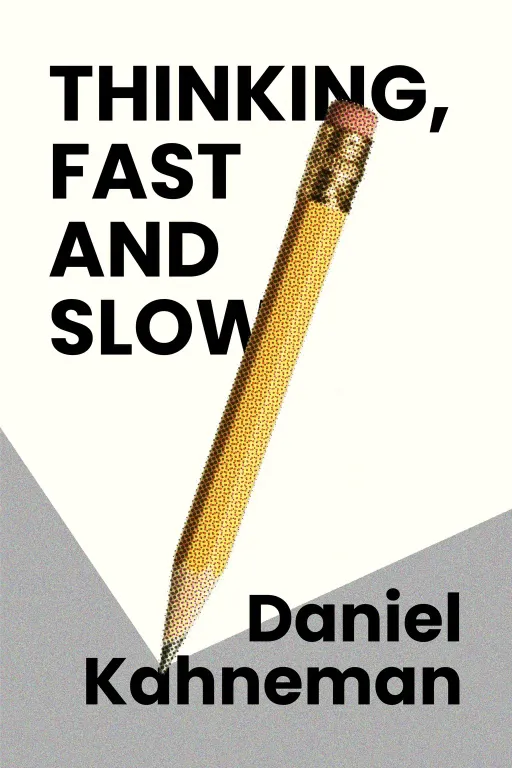
Nova: Well, we’re drawing wisdom from two incredible minds. First up, we’re looking at by Daniel Kahneman, the Nobel laureate who completely revolutionized our understanding of decision-making. And then, we’ll pivot to by Marshall B. Rosenberg, a book that offers profound insights into connecting on a deeper, more empathic level. Kahneman, for instance, is a psychologist who pioneered the field of behavioral economics, essentially showing us how irrational humans can be, but in a deeply systematic way. His work isn't just theory; it's shaped everything from public policy to how we design user interfaces.
Atlas: Okay, Kahneman and Rosenberg. One is about how we think, the other about how we connect. I can already see the synergy there. So how do these two seemingly disparate fields—cognitive psychology and empathic communication—come together to explain why we fall head over heels for a good book?
Nova: That’s the magic! We’re going to explore how understanding our own cognitive biases and the power of empathic communication can help us anticipate reader responses and design experiences that truly resonate.
The Dual Engines of Understanding: System 1 & System 2 in Reading
SECTION
Nova: Let's kick things off with Kahneman and those two fascinating systems of thought: System 1 and System 2. For anyone unfamiliar, Kahneman posits that our brains operate with two distinct systems. System 1 is fast, intuitive, emotional, and largely unconscious. It's what helps you recognize a face or slam on the brakes without thinking.
Atlas: Like when I automatically cringe at a typo, even if I don’t consciously register it at first. It just wrong.
Nova: Exactly! That’s pure System 1. It’s the gut reaction, the immediate feeling. System 2, on the other hand, is slow, deliberate, logical, and effortful. It’s what you engage when you’re solving a complex math problem, trying to parallel park, or, crucially, dissecting a nuanced argument in a book.
Atlas: So, when I’m devouring a thrilling novel, completely lost in the plot, that's my System 1 on overdrive, just soaking it all in. But if I'm reading a dense philosophical text, carefully re-reading paragraphs to grasp the meaning, that's System 2 flexing its muscles.
Nova: You've got it. And the brilliance of Kahneman's work, which earned him a Nobel Prize in Economic Sciences, is showing us how these two systems interact and often conflict. What's truly fascinating is how this applies to reading. When we engage with a story, we're not just passively absorbing information; our brains are actively, continuously processing it through both lenses.
Atlas: That makes me wonder, how does an author, or even someone curating literature, leverage this? Because if I want to create a truly immersive experience for a reader, I can't just appeal to their logical, deliberative side, can I?
Nova: Not at all! In fact, the most compelling narratives often master the art of speaking to both. Think about it: System 1 is where the emotional connection happens. It's the immediate sense of dread when a character is in danger, the involuntary smile when a hero succeeds, the instant spark of recognition for a universal truth. Authors use vivid imagery, relatable archetypes, and compelling plot points to engage System 1. They want you to the story, not just about it.
Atlas: Right, like that initial gut punch when you realize the protagonist has been betrayed. You don’t logically process the betrayal first; you feel it.
Nova: Precisely. And for a truly engaging experience, that System 1 emotional resonance is crucial. But then, System 2 comes into play when the reader starts to reflect, to analyze character motivations, to ponder the deeper themes, or to connect the story to their own life experiences. A brilliant novel doesn't just give you a good story; it gives you something to chew on, something that demands deeper thought.
Atlas: Oh, I see. So a story that only appeals to System 1 might be entertaining, but it won't necessarily stick with you. It needs that System 2 engagement to truly resonate and become memorable. It has to offer more than just a quick thrill.
Nova: Exactly. Consider a book like itself. It's packed with data, experiments, and complex theories – that's System 2 territory. But Kahneman also uses incredibly relatable examples and narrative anecdotes to illustrate his points, effectively engaging your System 1 to make the abstract concepts feel intuitive and memorable. He’s not just telling you cognitive biases; he’s often showing you you experience them.
Atlas: That’s a powerful insight. So, if we’re trying to connect readers to diverse stories, we need to think about how we can activate both systems. We need that immediate, intuitive 'click' that draws them in, but also the intellectual depth that keeps them thinking long after they've turned the last page.
Nova: Absolutely. It’s about crafting an experience where the reader isn't just a passive observer, but an active participant, both emotionally and intellectually. It’s about building a bridge between their intuitive understanding and their analytical reflection.
Empathic Communication Through Narrative: Applying NVC to Storytelling
SECTION
Nova: And that bridge-building leads us perfectly into our second framework: Marshall B. Rosenberg’s, or NVC. Rosenberg’s work is primarily about fostering understanding and empathy in interpersonal relationships, but its principles are incredibly powerful when applied to narrative and reader connection.
Atlas: Okay, NVC in storytelling. That sounds like a fascinating leap. I always thought of NVC as a toolbox for difficult conversations, for de-escalating conflict. How does that translate to the solitary act of reading?
Nova: It’s not about direct conversation with the book, but about understanding the. NVC teaches us to identify universal human needs and feelings beneath surface-level expressions. For example, if someone is angry, NVC encourages us to ask: what need is unmet that’s causing this anger? Is it a need for respect, safety, understanding?
Atlas: I see. So, in a story, instead of just seeing a character as 'angry,' we’d look for the unmet need driving that anger. It adds a layer of depth.
Nova: Precisely. And for a reader, this is transformative. When an author skillfully portrays a character's unmet needs and underlying feelings, the reader doesn't just witness the character’s actions; they them on a deeper, more human level. This understanding is the bedrock of empathy. It allows us to connect with characters who might be vastly different from ourselves.
Atlas: So, an author using NVC principles, perhaps unconsciously, isn't just writing a plot, they're crafting a psychological profile that allows the reader to step into the character’s shoes and feel their humanity, even if their actions are flawed or alien.
Nova: Exactly. Think about how we connect with villains or morally complex characters. It's rarely because we condone their actions, but often because we glimpse their unmet needs, their fears, their unfulfilled desires. A great example of this is how we understand characters driven by a desperate need for belonging, even if that need leads to destructive behavior. The narrative doesn't excuse the behavior, but it helps us empathize with the underlying human struggle.
Atlas: That’s powerful. It’s moving beyond judgment to understanding. And I imagine this is especially crucial when we're trying to connect readers with diverse stories, stories from cultures or experiences vastly different from their own.
Nova: Absolutely. Rosenberg’s work is all about finding common ground in our shared humanity. Even if our strategies for meeting needs differ wildly, the needs themselves—for safety, connection, meaning, autonomy—are universal. When an author can tap into those universal needs through their characters, they create an empathic bridge that transcends cultural or experiential divides.
Atlas: So, for a curator or someone trying to make stories more accessible, it's about highlighting those universal needs and feelings within a narrative, even if the external circumstances are unfamiliar. It’s about finding the common human thread.
Nova: It's about designing experiences that invite the reader to look beyond surface-level differences and connect with the shared human experience. By understanding NVC, we can analyze how effectively a story reveals these needs and feelings, and how it might be presented to maximize that empathic connection. It’s not just about what happens in the story, but it happens, and how that resonates with our own deepest human needs.
Atlas: That's a profound way to look at it. It turns reading from a passive activity into an active exercise in human connection and understanding. It’s almost like a training ground for empathy in the real world.
Nova: And that’s the true power. It allows us to see ourselves in others, and others in ourselves, even through the pages of a book. It’s about liberating those stories to connect on the deepest possible level.
Synthesis & Takeaways
SECTION
Nova: So, by bringing Kahneman and Rosenberg together, we see a powerful synergy. Kahneman gives us the map of the reader's mind—how they process information, both intuitively and deliberately. Rosenberg gives us the compass for empathy—how to identify and connect with universal human needs and feelings.
Atlas: It’s like, Kahneman explains the mechanics of how we read, and Rosenberg explains the emotional and psychological goals of we read, especially when seeking connection. And for someone who sees beyond the page, who wants stories to be free and accessible, this is gold.
Nova: It truly is. It's about designing literary experiences that don't just entertain, but truly transform. It’s about understanding that a story’s impact isn't just in its words, but in its ability to activate our deepest cognitive and emotional systems, fostering genuine empathy. A truly impactful book isn't just a collection of sentences; it's a carefully constructed psychological journey.
Atlas: And it reminds us that our passion for stories, our desire to free them and make them accessible, isn't just about the words. It's about the profound human connection they facilitate. It’s about preserving legacies by ensuring these stories continue to resonate with the evolving reader.
Nova: Exactly. It’s about leveraging these psychological insights to make sure that every story, every voice, finds its way to a heart and mind ready to truly engage with it. And that, I think, is a powerful vision for the future of literature.
Atlas: That gives me chills. That’s such a hopeful way to look at it. What a fantastic journey today.
Nova: It's been an absolute pleasure, Atlas.
Atlas: This is Aibrary. Congratulations on your growth!