

The Unexpected Power of Story: How Narratives Shape Our Reality
Golden Hook & Introduction
SECTION
Nova: We live in a world obsessed with data, with logic, with the cold, hard facts. We're told to "trust the numbers," to "follow the evidence." And yet, time and time again, the most meticulously crafted spreadsheets, the most ironclad logical arguments, fall flat. They just… don't land.
Atlas: Oh, I know that feeling. You present something you know is brilliant, backed by all the stats, and you just get blank stares. Like you’re speaking a different language.
Nova: Exactly! It's like we've developed this collective blind spot, a fundamental misunderstanding of what truly moves people, what truly makes ideas stick. We underestimate the unexpected power of story. Today, we're diving into that power, drawing insights from brilliant minds like Cole Nussbaumer Knaflic, who shows us how to use narrative in data, and Stephen Fry, who reminds us of humanity’s enduring need for myths in his captivating "Mythos."
Atlas: What a fantastic combination! I’m curious, Nova, I think many of us, especially those of us who enjoy deep thinking, probably assume logic be king. So, what are we missing when we put pure data on that pedestal?
Nova: We're missing the human element, Atlas. The connection. The meaning. Our brains are wired for narrative. It's how we process, remember, and ultimately, make sense of the world. And that's precisely what we'll explore today: first, the pragmatic power of narrative to make data and ideas resonate, and then, how stories fundamentally shape our reality, explaining the unexplainable and forming the very fabric of our cultures.
The Pragmatic Power of Narrative: Making Data and Ideas Resonate
SECTION
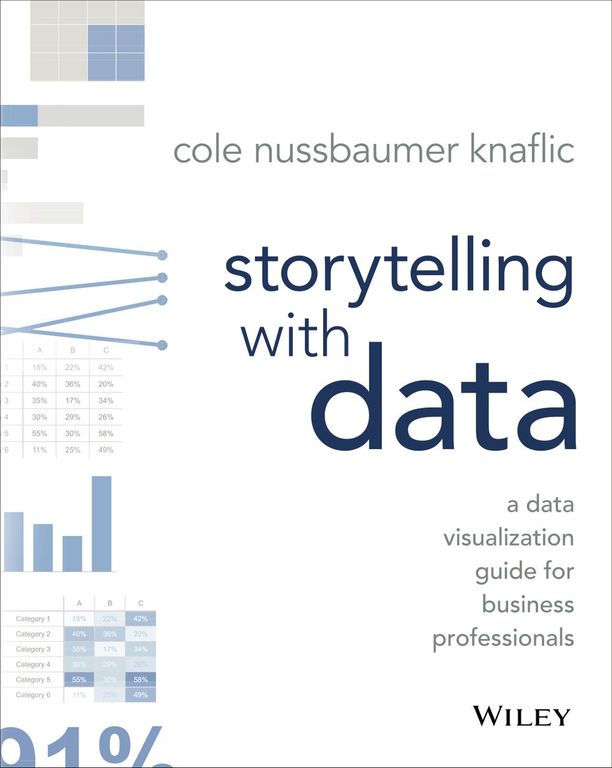
Nova: So, let's start with the pragmatic. Cole Nussbaumer Knaflic, in her phenomenal work "Storytelling with Data," really champions this idea that even the most complex information needs a story to resonate. She’s not saying throw out the data; she’s saying wrap it in something digestible, something human.
Atlas: That makes sense, but what does that actually look like in practice? For someone who’s, say, presenting a new strategy, or even just trying to get their family on board with a new vacation plan, how do you go from a list of bullet points to a compelling story?
Nova: Great question, and it’s a trap many fall into. Imagine a marketing team presenting their quarterly results. They show slides of graphs, charts, numbers—sales are up 15%, engagement is up 20%, conversion rates are steady. It's all positive. But the room is silent. Why? Because it's just raw data. There's no arc, no character, no challenge overcome.
Atlas: Right, it’s just a report. It’s like being handed a shopping list instead of a recipe. You have all the ingredients, but no idea what to make.
Nova: Exactly! Now, Knaflic would suggest a different approach. Instead of just presenting the numbers, you start with the challenge. "Last quarter, our biggest competitor launched a disruptive product, threatening our market share." You’ve immediately introduced conflict. Then, you introduce your 'hero' – your team, your new campaign. "We knew we needed to pivot, and quickly. Our team, working tirelessly, identified a critical gap in the market." Then come the numbers, not as isolated facts, but as evidence of the hero's journey. "Through focused effort, sales didn't just hold steady; they surged by 15%, directly countering our competitor's impact."
Atlas: Wow. That’s actually really inspiring. It’s the same data, but one version makes me want to applaud, and the other makes me want to check my email. It’s like you're not just giving me information; you're taking me on a journey.
Nova: Precisely. And it’s not about manipulating the data. It's about revealing the behind the data. Knaflic emphasizes clarity, focus, and making your audience the central figure in the story by showing them why this data matters to. Whether it’s a business idea or a scientific discovery, the human brain grasps causation and sequence far better than it processes isolated facts.
Atlas: So basically, you're saying that even if you've got the most robust, peer-reviewed study in the world, if you can't tell its story, its impact is severely limited. That’s going to resonate with anyone who struggles to convey complex ideas, whether they're a researcher, a teacher, or just trying to explain a new concept to their kids.
Nova: Absolutely. It’s about making your audience the importance, not just intellectually grasp it. This pragmatic application of story is powerful, but it also leads us to something even deeper: the fundamental role of story in shaping our very reality.
Stories as the Fabric of Reality: Explaining the Unexplainable and Shaping Culture
SECTION
Nova: And that naturally leads us to the second key idea we need to talk about, which often acts as a counterpoint to what we just discussed, moving from the pragmatic to the profound. Stephen Fry’s "Mythos" is a brilliant reminder of humanity’s enduring need for stories, not just to present data, but to explain the unexplainable, to teach lessons, and to connect generations.
Atlas: Oh, I love Stephen Fry. His retelling of Greek myths is just exquisite. But I’m curious, how do ancient myths, these fantastical tales of gods and monsters, connect to our modern world, where we have science and logic to explain things?
Nova: That’s the beauty of it, Atlas. Ancient myths weren't just bedtime stories. They were the operating systems of entire cultures. They explained why the sun rises, why seasons change, what happens after death, what it means to be heroic or treacherous. They provided moral frameworks and a shared understanding of the world. They were, in essence, humanity's first attempts at making sense of a chaotic universe.
Atlas: So, they were the original "Storytelling with Data," but the "data" was the entire cosmos and the human condition. It’s like they were trying to put a narrative frame around everything that was mysterious or frightening.
Nova: Exactly! And these narratives, even if we don't believe in them literally anymore, shaped values, laws, art, and even our language. They became the bedrock of cultural identity. Think about the story of Prometheus bringing fire to humanity – it's a narrative about innovation, rebellion, and sacrifice that still resonates today. Or the tale of Icarus, a cautionary story about hubris. These aren't just fables; they are foundational archetypes that influence how we perceive success, failure, and the boundaries of human ambition.
Atlas: That’s fascinating. It makes me wonder, if ancient societies relied on these grand narratives to make sense of their world, what are our "myths" today? Are they the narratives we tell ourselves about success, about progress, about identity?
Nova: Absolutely. From national narratives about "founding fathers" to the personal stories we construct about who we are and what we're capable of, stories are constantly shaping our perception of reality. They provide context, meaning, and a sense of belonging. The "blind spot" isn't just underestimating stories in a business presentation; it's underestimating their profound, often invisible, influence on our deepest beliefs and cultural values. We think we're rational actors, but we're constantly being guided, shaped, and moved by narratives, both ancient and modern.
Atlas: So, whether it’s a CEO trying to motivate a team with a vision, or a parent passing down family history, or even just our own internal monologue about our day, stories are truly the most effective way to convey meaning and build lasting connections. It's not just a tool; it's the very fabric of how we understand and interact with the world around us.
Synthesis & Takeaways
SECTION
Nova: Precisely, Atlas. The unexpected power of story lies in this dual nature: it's a highly effective, pragmatic tool for communication, making data compelling and ideas accessible. But more profoundly, it's the fundamental way humans have always made sense of the world, explaining the unexplainable, shaping cultures, and connecting us across generations.
Atlas: It really makes you think about the deep question we started with: what message do you need to convey, and how could you transform it into a compelling story? It seems like the answer is, you transform it. Otherwise, it risks being lost.
Nova: This isn't just about making things sound nice. It's about tapping into the deepest cognitive and emotional pathways of human understanding. To truly influence, to truly connect, to truly inspire, we must embrace the narrative. The stories we tell, and the stories we live by, are not just entertaining; they are formative. They are the lens through which we view everything.
Atlas: That’s actually really inspiring. So, for anyone listening, think about the narratives you're consuming and the narratives you're creating. Are they serving you? Are they serving the message you want to convey? The power is literally in your words.
Nova: Indeed. Embrace the storyteller within.
Atlas: And if this discussion sparked a story or an insight for you, we'd love to hear it. Share your thoughts with the Aibrary community. We're always eager to engage with your unique perspectives and continue this intellectual journey together.
Nova: This is Aibrary. Congratulations on your growth!