The Learning Trap: Why Just 'Doing' Isn't Enough for Growth
Golden Hook & Introduction
SECTION
Nova: What if I told you that all that hard work you're putting in, all that effort, might actually be making you effective at learning? Sounds counterintuitive, right?
Atlas: Oh man, that sounds like a personal attack, Nova. I feel like I'm constantly putting in effort, especially when I'm trying to wrap my head around a completely new subject. Are you suggesting I'm doing it wrong?
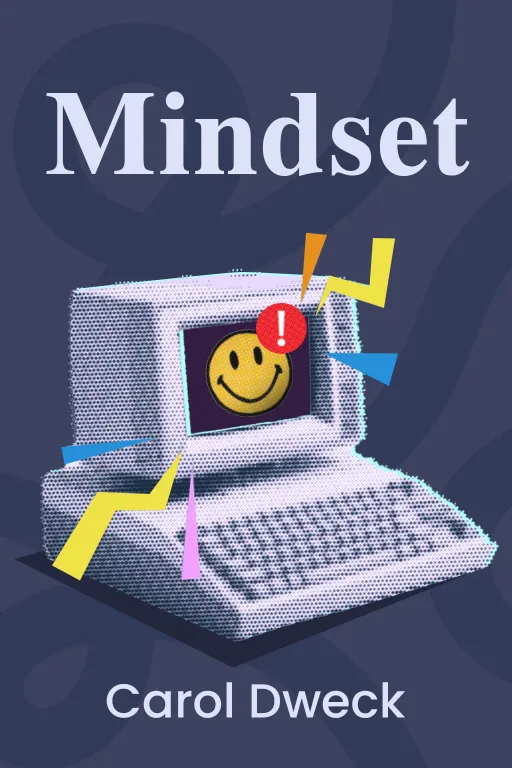
Nova: Not wrong, Atlas, but perhaps not as as we could be. Because today, we're diving into what we call 'The Learning Trap,' drawing heavily from the groundbreaking work of Carol Dweck's "Mindset: The New Psychology of Success" and Angela Duckworth's "Grit: The Power of Passion and Perseverance." Dweck, a brilliant psychology professor at Stanford, really crystallized decades of research into how our fundamental beliefs about our abilities—what she calls our mindset—profoundly shape our success. It was a huge shift in how we understood learning potential.
Atlas: That makes me wonder, for anyone out there, like me, who genuinely loves exploring new knowledge and getting into deep thinking, how do we make sure our passion translates into actual mastery, and not just… more effort?
Nova: Exactly. And that's where the insights from Dweck and Duckworth become absolutely critical. We're going to unpack why just "doing" isn't enough, and what we need to shift to truly thrive.
The Blind Spot: Effort vs. Growth
SECTION
Nova: Let's start with what we're calling 'The Blind Spot.' Many of us operate under the assumption that hard work alone guarantees progress. You put in the hours, you'll get better. Simple, right? But the truth is, without the right approach, that effort can actually lead to frustration, not mastery.
Atlas: I see what you mean. I've definitely hit walls where I'm putting in on a new skill or a complex topic, and it feels like I’m just spinning my wheels. It’s disheartening.
Nova: It absolutely is. Think about a student, for example, who believes their intelligence is a fixed trait. They might study hard for a test, but if they encounter a truly challenging problem, one they can't immediately solve, their internal monologue shifts. It becomes, "If I struggle, it means I'm not smart." So, instead of pushing through, learning from the struggle, they might avoid similar challenges in the future, or even give up. Their effort is there, but their fundamental belief about their ability creates a ceiling.
Atlas: That sounds rough, but how does that apply to someone who’s genuinely passionate about learning? Someone actively seeking out new fields? I mean, if you're passionate, you're usually willing to put in the effort, right?
Nova: You'd think so. But passion alone isn't a silver bullet. The blind spot here is confusing with. Effort is showing up. Deliberate practice is showing up with a plan to systematically dismantle your weaknesses. Consider a new coder trying to learn a complex programming language. They might spend hours watching tutorials, copying code, and even building small projects. That’s effort. But if they're not actively seeking feedback, intentionally tackling the parts they find most confusing, or reflecting on their code isn't working, they're just reinforcing existing habits, good or bad. They're not growing efficiently.
Atlas: So basically you’re saying that if you're not intentionally pushing past your comfort zone, and analyzing your mistakes, you're just getting really good at doing what you already know how to do, even if it feels like hard work. That resonates with anyone who’s ever felt stuck, despite trying really hard.
Nova: Precisely. It's the difference between running on a treadmill versus running a marathon with a coach and a training plan. Both involve effort, but only one is optimized for a specific, challenging goal. The treadmill runner might be putting in hours, but without varied terrain, speed work, or attention to form, they might not be preparing for the actual race as effectively as the marathoner with a deliberate strategy.
The Shift: Mindset, Grit, and Deliberate Practice
SECTION
Nova: The good news is, we're not doomed to this 'blind spot.' So how do we move past it? This brings us to 'The Shift,' where Dweck's concept of a Growth Mindset and Duckworth's idea of Grit come into play. It's about reframing our entire approach.
Atlas: Okay, so a "growth mindset." I hear that term a lot. Is it just about being optimistic? Or is there something deeper?
Nova: It’s definitely deeper than just optimism. A fixed mindset believes our intelligence and talents are static; we either have them or we don't. A growth mindset, however, sees abilities as something that can be developed through dedication and hard work. Think of two athletes facing a tough loss. The one with a fixed mindset might say, "I'm just not good enough. I lack the natural talent." They internalize the failure as a personal flaw. The growth mindset athlete, though, will analyze their performance, identify specific areas for improvement, and see the loss as valuable data. They’ll say, "I'm not good enough. What can I learn from this?" That 'yet' is incredibly powerful.
Atlas: That's a great way to put it. That 'yet' totally changes the game. How does this connect with Angela Duckworth's 'Grit'? Is grit just being stubborn and never giving up?
Nova: Not at all. That's a common misconception. Duckworth defines grit as passion perseverance toward very long-term goals. It’s not just blind stubbornness; it’s sustained passion and consistent effort directed towards a single, meaningful aspiration, even in the face of setbacks. It’s having a sense of direction alongside that tenacity. And a key component of grit is deliberate practice.
Atlas: Right, like how we talked about earlier, not just 'effort.' So, for someone diving into a completely new, complex area, how would they even with deliberate practice? It sounds like a lot of work before you even get good.
Nova: It is work, but it's work. Imagine a musician learning a new, incredibly difficult classical piece. They don't just play it repeatedly from start to finish, hoping it gets better. That's mere effort. A gritty, growth-minded musician will break the piece down: isolate the most challenging bars, practice them slowly, identify the specific finger movements or bowing techniques that are failing, get feedback from a teacher, record themselves, and then systematically drill those weak points. They’re constantly pushing just beyond their current ability, getting immediate feedback on their performance, and adjusting their strategy.
Atlas: Wow, that’s a perfect example. It's like you're not just trying to the thing, you're trying to the process of doing the thing. For anyone exploring new knowledge, that means you have to be just as intentional about you learn as you are about you learn.
Nova: Exactly! It’s about building a system for growth, not just hoping for it. It involves setting clear goals, seeking out challenges that are just beyond your current skill level, being open to feedback, and most importantly, seeing failures not as roadblocks, but as critical information about where you need to adapt and grow.
Synthesis & Takeaways
SECTION
Nova: So, to synthesize this, moving beyond the learning trap means a fundamental shift. It’s about cultivating a growth mindset where challenges are opportunities, harnessing grit as focused passion and perseverance, and engaging in deliberate practice—not just putting in time, but pushing boundaries with intention and reflection.
Atlas: That’s actually really inspiring. For anyone who loves the idea of deep thinking and exploring new knowledge, this isn't just about trying harder. It's about trying smarter, with a clear strategy. It's about turning that passion for learning into genuine, measurable growth. So, instead of just saying, "I tried my best," you can say, "I learned from my best, and now I'm even better."
Nova: Absolutely. And that leads us to our deep question for you, our listeners: How can you reframe your next learning challenge—whether it's a new skill, a complex topic, or a personal goal—from a test of your current skills to an exciting opportunity for growth? Think about where you can apply that 'yet.'
Atlas: That's something we can all reflect on. What's one thing you're learning right now that you can approach with a growth mindset and deliberate practice?
Nova: This is Aibrary. Congratulations on your growth!