

The Hidden Cost of Constant Hustle: Why You Need Mindful Breaks.
Golden Hook & Introduction
SECTION
Nova: Atlas, imagine a world where the harder you try to be productive, the less you actually achieve, and the more stressed you become. Sounds like a dystopian novel, right? But for many of us, it’s just Tuesday. What if the very thing we're told to chase—constant hustle—is the biggest trap?
Atlas: Oh man, Nova, you’re hitting me right where I live. That sounds like my Monday morning, Tuesday afternoon, and frankly, most of my week. I feel like I'm constantly chasing a moving target, and it is exhausting. Is there even an escape from that treadmill?
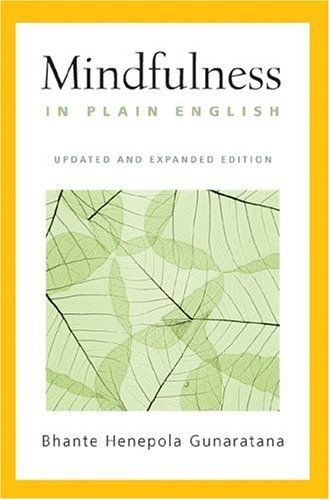
Nova: There absolutely is. And today, we’re unraveling that paradox, inspired by the profound insights from "Mindfulness in Plain English" by Bhante Gunaratana and "Wherever You Go, There You Are" by Jon Kabat-Zinn. What's striking about Gunaratana is his background as a Buddhist monk who spent decades distilling complex Eastern philosophy into incredibly accessible, practical advice for Western audiences. He makes mindfulness less mystical and more manageable, which is exactly what we need.
Atlas: That’s a relief. Because sometimes 'mindfulness' sounds like another thing I be doing, adding to the hustle, ironically.
Nova: Exactly. And that brings us to our first core idea: the blind spot of constant busyness.
The Blind Spot: Constant Busyness vs. True Productivity
SECTION
Nova: We live in a culture that glorifies busyness. It’s almost a badge of honor to say you’re swamped, right? We believe that being constantly active equals being productive. But this is a profound blind spot. It’s like a hamster on a wheel, running incredibly fast, but not actually moving forward.
Atlas: Right? I can definitely relate. I’ve been there, checking emails during dinner, mentally planning my next meeting during story time with my daughter, and feeling like I'm 'on' 24/7. But then I crash, feeling utterly drained and not actually having accomplished anything meaningful. Why do we fall into this trap? What's the real cost?
Nova: The cost is immense. It leads to fragmented attention, where you're never fully engaged in any one task, and it skyrockets stress levels. Think about that C-suite executive—or even a new mom trying to juggle a demanding career and a baby. They are constantly switching contexts, trying to multitask. They believe they’re being efficient, but what they’re actually doing is sacrificing deep work for shallow work. They’re responding to every ping, every notification, feeling a false sense of accomplishment from being 'responsive' rather than truly impactful. They’re present in neither their professional life nor their personal moments.
Atlas: That sounds rough, but it's so pervasive. It’s like we’re addicted to the of busyness, even if it's not leading to genuine results. So, if busyness isn’t productivity, what is? How do you even begin to break that habit when the world around you demands constant attention?
Nova: That's the million-dollar question, isn't it? The solution isn't necessarily doing, but doing things —with intention. This brings us to the crucial shift these books advocate.
The Shift: Cultivating Mindful Presence for Deeper Insight and Calm
SECTION
Nova: This shift is about cultivating mindful presence. Bhante Gunaratana, in "Mindfulness in Plain English," really demystifies it. He says mindfulness isn't some mystical, unattainable state; it's simple, consistent practice. He breaks it down into tangible steps, showing how just observing your breath, your thoughts, or your physical sensations, even for a few minutes, can sharpen your focus.
Atlas: What exactly do you mean by 'present moment awareness' in a practical sense? Is it just, like, about what you’re doing? It sounds a bit like training a muscle, but for your brain.
Nova: That’s a great analogy! It training your attention muscle. Gunaratana’s work helps reduce reactivity. Instead of immediately snapping back at a frustrating email, you create a tiny space to observe your reaction before you respond. This simple pause can fundamentally alter your outcome. It’s about being aware of what’s happening,, without judgment.
Atlas: Okay, so it’s not about emptying your mind, but observing what’s it. I like that. So how does Jon Kabat-Zinn's "Wherever You Go, There You Are" build on this?
Nova: Kabat-Zinn takes it a step further by showing how to integrate this awareness into every single aspect of daily life. He introduces mindfulness as a, not just a meditation technique. So, it's not just about sitting on a cushion; it's about mindful dishwashing, mindful walking, or for a new mom, mindfully changing a diaper. Imagine transforming a routine task into a moment of complete presence, noticing the sensations, the sounds, the smell. That’s where the magic happens.
Atlas: That’s actually really inspiring. I can see how that would change things. My wife, with our nine-month-old, often talks about feeling overwhelmed by the sheer volume of tasks. How can someone like her, a busy professional and new parent, realistically weave this into their day without adding thing to their already overflowing to-do list?
Nova: That’s the beauty of it: it doesn't need to be another. It's about how you approach the things you're. Kabat-Zinn and Gunaratana both emphasize micro-mindfulness. It could be three mindful breaths before you open your next email. Or the walk from your desk to the coffee machine—instead of being lost in thought, you intentionally feel your feet on the ground, notice the sounds around you, smell the coffee. These small pockets of awareness, even for just a few breaths, accumulate into a profound shift. It’s about truly observing your inner landscape, which unlocks deeper insights and sustained calm, even when external demands are high.
Synthesis & Takeaways
SECTION
Nova: So, the core synthesis here is moving from unconscious busyness, where we’re constantly reacting and feeling fragmented, to intentional presence, where we choose to engage with our moments. These aren't just feel-good concepts; research now increasingly backs the profound neurological and psychological benefits of these ancient practices. They don’t just reduce stress; they actually rewire your brain for better focus, emotional regulation, and even creativity.
Atlas: That gives me chills. It’s about reclaiming agency over your own attention, isn't it? It reminds me of the deep question you posed earlier: Where in your day could you intentionally create a small pocket of mindful awareness, even for just a few breaths? That question feels incredibly powerful now.
Nova: Exactly. It's not about achieving perfection, but about the consistent, gentle return to the present moment. As Gunaratana reminds us, "If you want to do something, do it. If you don't want to do something, don't do it. But don't do one thing and wish you were doing another." Start small. Take those three mindful breaths. Notice the taste of your coffee. It's a journey of a thousand miles, and it truly begins with that single, present step.
Atlas: I love that. And for all our listeners out there, we’d love to hear where find those small pockets of mindful awareness in your day. Share your thoughts with us on social media!
Nova: This is Aibrary. Congratulations on your growth!