

Lead with Presence: Cultivating Mindful Leadership for Deeper Impact
Golden Hook & Introduction
SECTION
Nova: Atlas, rapid-fire word association. I'll give you a word, you give me the first thing that springs to mind. Ready?
Atlas: Oh, I love a good mental workout! Hit me.
Nova: Strategy.
Atlas: Blueprint. Or, sometimes, a tangled knot.
Nova: Meetings.
Atlas: Endless. Or, if I'm lucky, impactful.
Nova: Deadlines.
Atlas: Pressure. Definitely pressure.
Nova: And now... presence.
Atlas: Clarity. Calm. And a feeling of genuine connection. Wow, that's a shift.
Nova: Indeed it is. And that shift, from the tangled knots and endless pressures to clarity and genuine connection, is precisely what we're exploring today. We're diving into the profound concept of "Lead with Presence," a framework built on understanding that true leadership isn't just about brilliant strategies or ticking boxes; it's about being fully, authentically.
Atlas: I can definitely relate to chasing blueprints and deadlines, but that idea of "being fully there" feels both incredibly powerful and, honestly, a little intimidating in our always-on world. How do we even begin to unpack that?
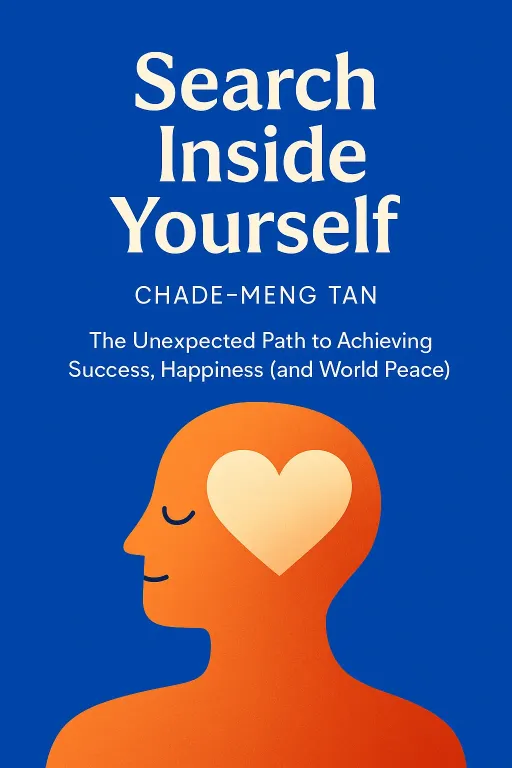
Nova: Well, we're drawing insights from some fantastic minds, especially Chade-Meng Tan, the Google engineer who developed the "Search Inside Yourself" program. Imagine a tech giant like Google, known for its innovation and speed, investing heavily in mindfulness for its engineers. That alone tells you something about the practical power of presence. We'll also touch on Maria Gonzalez's work on mindful leadership.
Atlas: A Google engineer teaching mindfulness? That's actually really cool. It immediately makes me think this isn't just some abstract, airy-fairy concept. Sounds like it's got some real-world grit.
Nova: Exactly. It's about tangible impact.
The Cold Fact: Presence Over Strategy
SECTION
Nova: And that brings us to what we call "The Cold Fact": true leadership isn't just about strategy; it's about presence. Being fully there for your team and your decisions cultivates trust and clarity. Distraction, on the other hand, erodes this vital connection.
Atlas: That sounds rough, but I imagine a lot of our listeners, especially those building something new or leading high-stakes teams, might wonder: isn't constant distraction just the reality? How can a leader possibly be present without burning out or falling behind? It's like trying to catch smoke.
Nova: That's a great analogy, Atlas. And it's true, it's not about being a perfect Zen master 24/7. It's about intentionality. Think of it this way: imagine a team meeting. The leader is physically present, sitting at the head of the table. But every few minutes, their eyes dart to their phone, they're typing a quick email, or their gaze is just... unfocused, drifting somewhere beyond the room.
Atlas: Oh, I know that feeling. As a team member, you feel it immediately. It's like you're talking to a ghost, or maybe just half a person.
Nova: Precisely. That subtle, almost imperceptible distraction from the leader creates a ripple effect. The team senses it. They start to feel less valued, their ideas seem to hang in the air unheard. The clarity of the discussion suffers, decisions become muddier because key insights might be missed. Before you know it, trust begins to fray, and the team's cohesion weakens. It’s like a symphony conductor who keeps checking their watch; the orchestra loses its tempo, and the music falls apart.
Atlas: That makes perfect sense. The erosion of connection. So, what you're saying is, even if the leader they're multitasking effectively, the team is experiencing a silent disconnect. It's not just about the leader's output, but the team's input and overall morale.
Nova: The outcome is a collective feeling of disengagement. The team might mirror the leader's distraction, or worse, they might become cynical, thinking their input doesn't truly matter. This kind of environment stifles innovation, slows down progress, and ultimately, diminishes impact. It's a subtle but powerful drain on collective genius.
Atlas: I can see how that would be a huge problem for anyone trying to foster a culture of growth and foresight. If the vision isn't heard, it can't be built.
Tactical Insights: Cultivating Mindful Leadership
SECTION
Atlas: Okay, so we agree presence is vital, and distraction is a silent killer. But how do we actually that muscle in a world that pulls us in a million directions? This isn't just "try harder," is it?
Nova: Absolutely not. This is where the tactical insights come in. It’s about cultivating mindful leadership. Chade-Meng Tan, with his Google background, understood that highly intelligent, busy people need practical, secular tools, not just philosophical musings. His "Search Inside Yourself" program teaches emotional intelligence through practical mindfulness techniques.
Atlas: So you're saying a tech giant's engineers are learning to meditate? How does that even work?
Nova: Not necessarily formal meditation, although that can be part of it. It's more about cultivating self-awareness and empathy through simple, repeatable practices. Take mindful breathing, for instance. It's just taking one minute, before a meeting or a challenging conversation, to simply focus on your breath. Notice any distractions, then gently return to your breathing. This small act isn't about emptying your mind; it's about training your attention.
Atlas: That sounds like a cognitive optimization hack, actually. A quick reset button. But how does that translate into better strategic outcomes or deeper impact for a team pushing towards a future vision? It still feels a bit... internal.
Nova: It's profoundly external in its impact, Atlas. When you train your attention, you enhance your self-awareness. You become better at recognizing your own emotional states, which means you're less likely to react impulsively to a stressful situation. Imagine a leader who, instead of lashing out in frustration, takes a mindful pause, understands their own triggered state, and then responds thoughtfully. That changes the entire dynamic of a conversation.
Atlas: So it's like creating a buffer zone between stimulus and response. That's actually really powerful. It’s about gaining control over your own internal reactions.
Nova: Exactly. And Maria Gonzalez's framework builds on this, emphasizing clarity and compassion. When you're mindful, you gain clarity about complex situations. You see the problem more holistically, without your own biases or emotional noise clouding your judgment. And compassion isn't about being "soft"; it's about truly understanding your team's perspectives and challenges, which leads to more effective, humane decision-making. Think of a leader facing a tough decision that impacts jobs. A mindful leader would not only analyze the data but also deeply consider the human element, leading to a more ethical and sustainable solution.
Atlas: That's a great example. It's about integrating the human element into the strategic process. I can see how that would resonate with someone who cares deeply about growth for themselves and others. It's not just about what you achieve, but you achieve it.
Nova: Precisely. It allows you to respond thoughtfully, rather than react impulsively, fostering a more effective and humane leadership style. It's about leading with purpose, not just pressure.
Synthesis & Takeaways
SECTION
Nova: So, what we've really uncovered today is that presence isn't a soft skill to be adopted when time allows; it's a strategic imperative. Mindful leadership, far from being a luxury, is the hard-won ability to create space for clarity, innovation, and genuine human connection.
Atlas: Yeah, I can definitely relate to that. It’s not about adding another task to an already overflowing plate, but about optimizing how we approach tasks. It's a fundamental shift in how we show up.
Nova: Absolutely. It's the ultimate cognitive optimization hack. Even a minute of intentional focus can shift your entire presence, allowing you to lead with deeper impact.
Atlas: That’s actually really inspiring. So for our listeners who are ready to cultivate this presence, what's one tiny step they can take, right now?
Nova: Before your next meeting, or even before your next big decision, take one minute to simply focus on your breath. Notice any distractions, then gently return to your breathing. See if this small act shifts your presence. It's a micro-practice for peak performance.
Atlas: That's a brilliant, actionable step. No fancy apps, no huge time commitment. Just one minute to recalibrate.
Nova: That's right. Because the future you're building deserves your full presence.
Atlas: I love that.
Nova: This is Aibrary. Congratulations on your growth!