The Stoic Compass: Navigating Life's Storms with Inner Fortitude
Golden Hook & Introduction
SECTION
Nova: Atlas, I’ve got a little game for you. I’ll throw out a common modern problem, and you give me the Stoic solution in one word. Ready?
Atlas: Oh, I like that! One word, huh? Alright, I’m game. Hit me.
Nova: Okay. You’re stuck in an endless meeting, and your phone just died. One word.
Atlas: Oh, man.. No, wait,! Or...? Ugh, this is harder than I thought!
Nova: See? It’s tough, but it highlights something crucial. We’re often looking for complex solutions to our daily frustrations, but what if the answer is much simpler, much more internal?
Atlas: I can definitely relate to that. We’re constantly bombarded with things outside our control. How do we even begin to navigate that?
Nova: Exactly. And that’s where our journey today takes us. We’re going to be exploring what we call "The Stoic Compass: Navigating Life's Storms with Inner Fortitude." It’s a deep dive into ancient wisdom, particularly from two titans of Stoicism: Marcus Aurelius and Seneca.
Atlas: Ah, the classics. I’m curious, these are figures from Roman times, one an emperor, the other a philosopher and advisor. How do their insights, written millennia ago, still speak to our very modern anxieties?
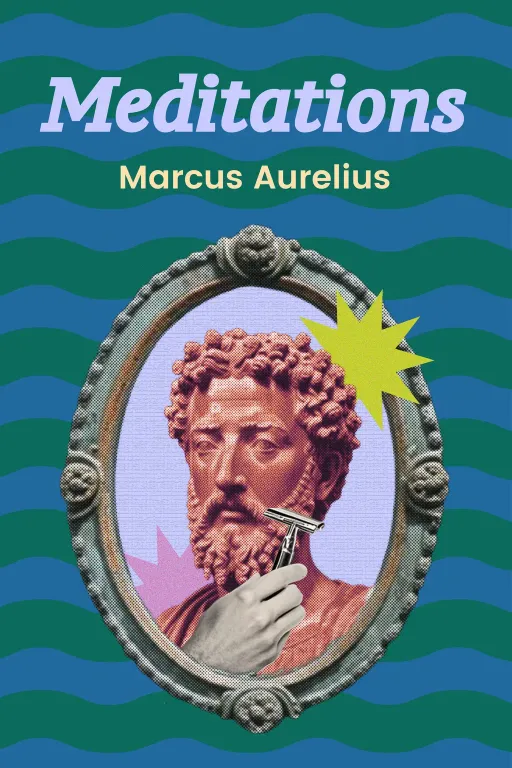
Nova: That's a fantastic question, and it's precisely why we're talking about them. Take Marcus Aurelius, for example. His "Meditations" weren't meant for publication. They were his private reflections, a personal journal he kept to guide his own conduct, his own leadership as Emperor of Rome. Imagine the pressure, the wars, the political intrigue he faced. Yet, he was writing these notes to himself, essentially creating an inner compass to maintain his virtue and peace amidst immense external chaos. It’s a testament to the practical, personal application of this philosophy, even from the highest echelons of power.
Atlas: Wow, so a Roman Emperor, with all that power, was still writing himself notes about staying calm? That’s actually really inspiring. It makes me wonder, for someone who values deep understanding, what was the for him? Was it just 'think positive,' or was there a deeper cognitive restructuring happening?
The Illusion of External Control: Our Blind Spot
SECTION
Nova: That’s exactly what we’re getting into, Atlas. Because the first big insight from Stoicism, what we call "The Blind Spot," is our innate human drive to control external events. We’re wired to try and manipulate our circumstances, to bend the world to our will, believing that if everything aligns perfectly, then we’ll finally find peace and happiness.
Atlas: I mean, I imagine a lot of our listeners feel that. That’s just how we’re conditioned, isn't it? We’re taught to achieve, to change things, to make an impact. Isn't trying to change the world a good thing, especially for those of us driven by purpose? It’s like, if I’m not trying to control the outcome, am I just being passive?
Nova: That’s a common misconception, and a really important one to address. The Stoics weren't advocating for apathy or passivity. Far from it. They were advocating for extreme clarity in discerning what truly within our control and what isn't. Think of it this way: are you trying to steer your ship by controlling the waves themselves, or by controlling the rudder?
Atlas: That’s a great analogy. It’s like we’re constantly trying to manipulate the weather instead of just bringing an umbrella. So you’re saying the real trap isn't the external event itself, but our to controlling it?
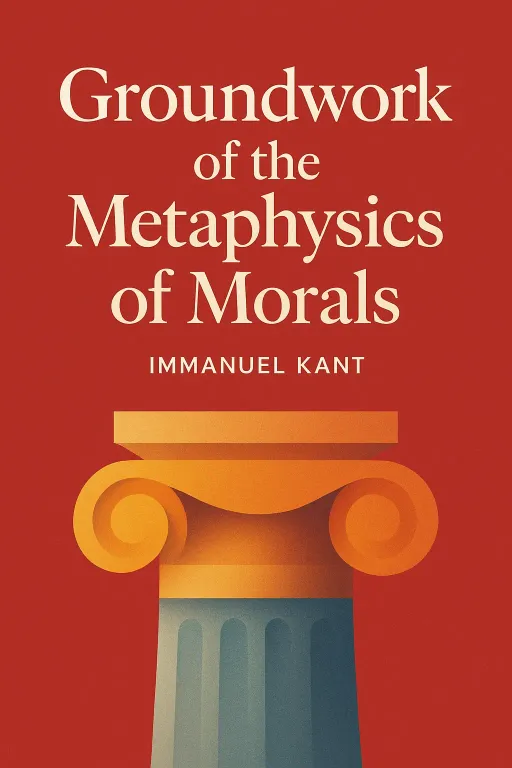
Nova: Precisely. Seneca, in his "Letters from a Stoic," often cautioned against placing our happiness, our tranquility, in the hands of fortune, which is inherently unstable. He'd say, "He who is afraid of death will never do anything worthy of a living man." The fear of losing something external, or the desperate need to acquire it, paralyses us.
Atlas: That makes me wonder, how does this apply to bigger, more impactful goals? If I'm trying to, say, lead a team, or create real change in a challenging environment, do I just... accept everything? That sounds a bit out there for someone who's driven by meaning and impact.
Nova: Not at all. It's about where you exert your energy. The Stoics would say you absolutely control your efforts, your intentions, your character in pursuit of that goal. You control how diligently you work, how virtuously you behave, how much you learn and adapt. But you don't control whether the market shifts, or a competitor emerges, or a team member leaves. That’s the "dichotomy of control." Your peace comes from focusing solely on what you influence.
Atlas: Okay, so it’s not about giving up on your goals, but giving up on the that you can perfectly orchestrate every single step and outcome. That’s a huge mindset shift.
The Power of Internal Response: The Stoic Shift
SECTION
Nova: And that naturally leads us to the heart of Stoicism, the radical "shift" that turns this perceived weakness into our greatest strength. Once you truly grasp that the external world is largely beyond your direct control, you unlock the immense power of your internal world. This is where you cultivate that steadfast inner calm.
Atlas: That’s actually really inspiring. So, it's about actively your interpretation, rather than letting circumstances dictate your mood? That reminds me of the idea of cognitive reframing, where you consciously change your perspective on an event. So, is the 'inner fortitude' really about actively doing that?
Nova: Absolutely. It’s a form of mental training, like building an emotional immune system. Marcus Aurelius, in his "Meditations," was constantly reminding himself of this. He'd write things like, "You have power over your mind—not outside events. Realize this, and you will find strength." He was facing wars, plagues, political betrayals, and yet his focus was always on his own reactions, his own character.
Atlas: So, it wasn't just 'think positive.' What was the for him? How did he actually do that?
Nova: He engaged in several practices. One was journaling, which became "Meditations." Another was the "premeditation of evils" or negative visualization—not to be morbid, but to mentally prepare for potential setbacks, so they wouldn't shock him when they occurred. And then there was the "discipline of assent," which means only giving your mental agreement, your judgment, to what is true and within your control.
Atlas: That makes sense. It's like going to the gym for your mind. I've been thinking about mindfulness practices, and this sounds very similar – observing your thoughts and reactions without judgment. So, Seneca would also have had similar practices?
Nova: Yes, very much so. Seneca, in his "Letters," advocated for daily reflection. He urged his readers to review their day each evening, asking themselves: "What evil have I cured today? What vice have I resisted? In what respect am I better?" It was a constant self-assessment, a refining of one's character, ensuring one's internal compass was always pointing true north. It wasn't about avoiding emotion, but about managing it, understanding its source, and choosing a wise response.
Atlas: That's a great way to put it – managing emotion, not avoiding it. It sounds like the "inner fortitude" you mentioned earlier is really about actively choosing your interpretation, rather than letting circumstances dictate your mood. It's a very proactive approach to well-being.
Nova: Exactly. It's a radical act of self-ownership. Nova's take, as you mentioned, really nails it: true power isn't about changing the world, but about changing your relationship to it, cultivating a steadfast inner calm. It's the ultimate inner engineering. Imagine a demanding work project: an external event. You can't control the deadline, or your client's last-minute changes. But you control your focus, your effort, your response to setbacks, and your attitude. That's where your power lies.
Synthesis & Takeaways
SECTION
Nova: So, when we bring these two ideas together, the illusion of external control and the power of internal response, we see that the freedom and peace we crave are found not in external mastery, but in internal self-mastery. It’s about cultivating that unwavering inner compass that guides us through any storm.
Atlas: It really boils down to that deep question you posed earlier: "What external circumstance are you trying to control, when you could instead shift your focus to your response?" That hits hard. For the reflective learner, this isn't just theory; it's a daily practice for personal growth. So, what's one practical step someone can take to start cultivating this 'inner compass' today?
Nova: A simple yet profound step, one both Aurelius and Seneca practiced, is to dedicate just 15 minutes daily for reflection. Find a quiet time, perhaps at the beginning or end of your day, and simply observe your thoughts and reactions without judgment. Ask yourself, "What did I try to control today that was outside my sphere of influence?" and "How could I have responded differently?"
Atlas: Just 15 minutes. That's incredibly accessible. It's about building that muscle, isn't it? It's not about being emotionless, but about being intentional.
Nova: Precisely. It’s a journey, and your journey is unique. Embrace the unfolding.
Atlas: I love that. It’s about trusting your inner compass.
Nova: We'd love to hear how these ideas resonate with you. Share your insights on our social channels.
Nova: This is Aibrary. Congratulations on your growth!