Unlocking Executive Ascent: Navigating Unwritten Rules and Crafting Your Career Path
Golden Hook & Introduction
SECTION
Nova: We're often told to just "work hard, keep your head down, and good things will eventually happen" in our careers. It’s almost a mantra, isn't it?
Atlas: Absolutely. That’s the classic advice, the American dream distilled into a corporate memo. But you’re implying there’s a catch, aren’t you? That it's not quite that simple.
Nova: Well, what if that advice, while well-intentioned, is actually a bit of a strategic misdirection? What if the real game, the one that truly determines who ascends and who stagnates, is being played on a completely different field, one that’s often invisible?
Atlas: Oh, I like that. The invisible field. So it’s not about meritocracy, then? That sounds incredibly frustrating for someone who’s all about focused effort and making a real impact.
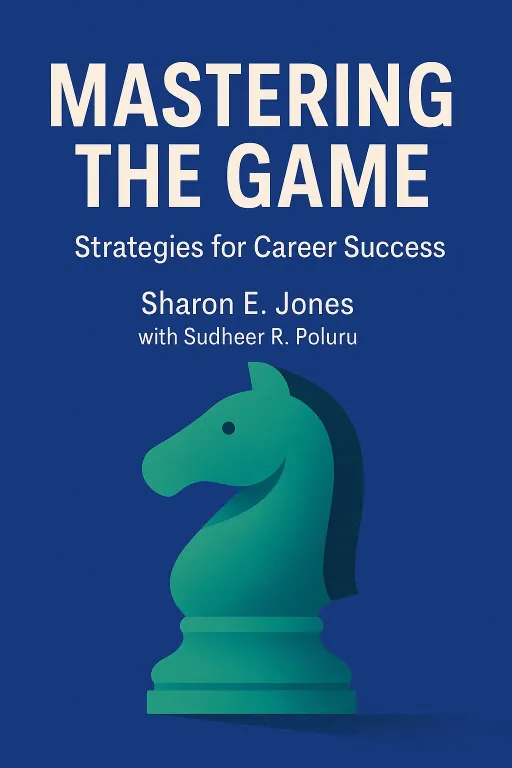
Nova: It can be, and that’s precisely what we’re digging into today. We’re going to unlock the secrets to executive ascent by looking at two incredibly insightful books. First, we have by Sharon E. Jones, and then we’ll turn to by the legendary Carla A. Harris.
Atlas: Carla Harris! She’s a force. A Vice Chairman at Morgan Stanley, and I always hear about her "Pearls of Wisdom." She’s known for that no-nonsense, direct advice, which resonates deeply with anyone looking for clarity and strategic action.
Nova: Exactly. And Sharon E. Jones, a former corporate executive and diversity consultant, brings a crucial perspective. Her work often springs from her observations of how incredibly talented, diverse professionals can hit invisible ceilings, not because of their competence, but because they haven't deciphered the informal power structures at play. Her book is highly regarded in leadership circles for its practical, no-nonsense approach, though some critics acknowledge that even with the playbook, deeply entrenched cultures can be tough to crack.
Atlas: So we’re talking about understanding the corporate landscape, and then proactively shaping your path within it. This is vital for anyone who values self-growth and wants to sustain momentum in their career.
Decoding Unwritten Rules
SECTION
Nova: Let's start with Sharon E. Jones and her exploration of these "unwritten rules." Think of it like this: every organization has its official rulebook, the HR manual, the org chart. But beneath that, there’s a whole other operating system, a hidden curriculum of how things get done, who holds power, and what truly leads to advancement.
Atlas: Hold on, so it’s not just about doing your job description well? Because I imagine a lot of our listeners, especially those driven by impact, believe that if they just deliver exceptional results, that’s their golden ticket.
Nova: That’s the common, and often damaging, misconception. Jones argues that while performance is foundational, it’s rarely sufficient for true executive ascent, especially for diverse professionals who might not have had prior exposure to these unspoken dynamics. She observed countless individuals who were technically brilliant, consistently outperformed their peers, yet watched others, often less qualified, get promoted.
Atlas: That sounds incredibly frustrating. Like you’re playing a game, but no one ever gave you the full set of rules, or even told you there another set of rules. Can you give an example of one of these "unwritten rules"?
Nova: Absolutely. One critical "unwritten rule" is the concept of "sponsorship" versus "mentorship." We often hear about the importance of mentors, right? Someone who offers advice and guidance. But Jones highlights that sponsorship is far more powerful. A sponsor isn't just someone who advises you; they're someone who for you in rooms you're not in. They use their political capital to open doors, champion your name for promotions, and actively invest in your career trajectory.
Atlas: So it’s not just about getting good advice, it’s about having someone with influence actively pushing your name forward. That’s a game-changer. It’s like having a silent partner at the poker table who occasionally slips you a winning hand.
Nova: Exactly! Another unwritten rule is "visible contribution." It’s not enough to simply do the work; you have to ensure your contributions are seen and understood by the right people, especially those who make promotion decisions. This often means strategically communicating your successes, taking on high-visibility projects, and even, at times, gently self-promoting, which can feel uncomfortable for many, particularly those from cultures that value humility.
Atlas: That feels a bit like navigating a political landscape, which can be exhausting. I mean, for someone who just wants to focus on their core mission and deliver value, suddenly they have to become a PR expert for themselves. Isn't there a risk of coming across as self-serving?
Nova: It’s a delicate balance, and Jones acknowledges that. But the alternative is often to be overlooked. She emphasizes that it’s about strategic visibility, not grandstanding. It’s about ensuring your work translates into "currency" within the organization, both performance currency and, crucially, relationship currency. This is about building a network of influence, not just acquaintances.
Crafting Your Personal Strategy
SECTION
Nova: Once we decode those rules, once we understand the invisible field, the next step is to strategically arm ourselves. This is where Carla Harris’s comes in. She provides a comprehensive guide for how individuals can define their goals, build their personal brand, and execute a winning strategy to achieve their professional aspirations.
Atlas: Okay, so how do we actually that? For someone who values clarity and a focused approach, how do you even begin to build a “personal brand” without feeling inauthentic or like you’re just trying to be someone you’re not?
Nova: That’s a common concern, but Harris’s approach is about authenticity. She talks about the "Power of Perception" – you have control over the narrative people build around you. It's not about being fake; it's about being intentional about the strengths and qualities you want to be known for. She encourages you to ask yourself: "What do I want people to say about me when I leave the room?"
Atlas: That makes sense. It’s like, you’re not just waiting for opportunities to define you; you’re actively creating the perception that you’re the person for those opportunities. Can you give an example of how someone might intentionally cultivate that perception?
Nova: Certainly. Imagine Sarah, a mid-level manager who wants to be seen as a strategic innovator, not just an excellent executor. She starts by identifying projects that allow her to showcase strategic thinking, even if they’re initially outside her comfort zone. She proactively volunteers to lead a cross-departmental task force addressing a long-standing efficiency problem. She makes sure to clearly articulate her vision, engage key stakeholders, and communicate the progress and impact of the initiative to senior leadership.
Atlas: So she’s not just doing the work; she’s shaping the story around the work, and making sure the right people are hearing it. That’s a subtle but powerful shift.
Nova: Precisely. And Harris also differentiates between "performance currency" and "relationship currency." Performance currency is what you earn by doing your job exceptionally well. But relationship currency is built through your connections, your influence, and the trust you build with others. You need both to truly ascend. One without the other will limit your trajectory.
Atlas: So it's not just about being good, it's about being connected and trusted. But what about the part? How do you move from a good brand and good relationships to an actual winning plan, especially for someone who wants to amplify their influence or improve their presentation delivery?
Nova: That's where Harris's concept of a "personal board of directors" becomes invaluable. She advocates for assembling a diverse group of individuals – not just mentors, but also sponsors, advisors, and even peer coaches – who can provide different perspectives, challenge your thinking, and advocate on your behalf. This isn't a passive group; you actively engage them, share your goals, and solicit their input. It's about designing your path, not just following one. It's about being intentional about what you want your career to look like in the next 3, 5, 10 years, and then building the relationships and skills to get there.
Synthesis & Takeaways
SECTION
Nova: So, when we bring these two brilliant minds together – Sharon E. Jones decoding the unwritten rules and Carla A. Harris showing us how to strategize and win – the synergy is incredibly powerful. It’s about understanding the complex game being played in corporate environments, and then equipping yourself with the tools and mindset to not just participate, but to truly thrive and lead.
Atlas: This really speaks to the "resilient learner" in all of us. It’s about taking agency even when the rules aren't always clear, and proactively shaping your future rather than just reacting to circumstances. It's about evolving from a diligent worker to a strategic leader.
Nova: Absolutely. It’s the difference between hoping for advancement and orchestrating it.
Atlas: So, for our listeners who are ready to make their next power move, what’s one immediate, tiny step they can take this week to put these insights into action? Something practical and focused.
Nova: Here’s a challenge: take a moment this week to identify just one "unwritten rule" within your current professional environment that you've observed but haven't fully leveraged. Maybe it's the informal networking events, or the specific way senior leaders communicate. Then, apply a specific strategy from Carla Harris's to consciously engage with that rule.
Atlas: Like, if the unwritten rule is "visibility in leadership meetings," then the strategy might be to proactively seek out a high-visibility project that gets you into those rooms, or to find a sponsor who can advocate for your presence there.
Nova: Precisely. It could be seeking out a specific mentor who embodies that rule, or taking on that high-visibility project you've been hesitant about. The key is intentionality. Make those invisible forces visible, and then act with purpose.
Atlas: That’s a powerful challenge. It’s about making those invisible forces visible, and then acting with purpose. It transforms a vague understanding into concrete action.
Nova: Indeed. Our careers are too important to leave to chance or unspoken assumptions. Understanding the game and strategizing to win are not just advantages; they're necessities for anyone truly committed to their growth and impact.
Atlas: What a great reminder that small, deliberate steps can lead to profound, lasting progress.
Nova: This is Aibrary. Congratulations on your growth!