

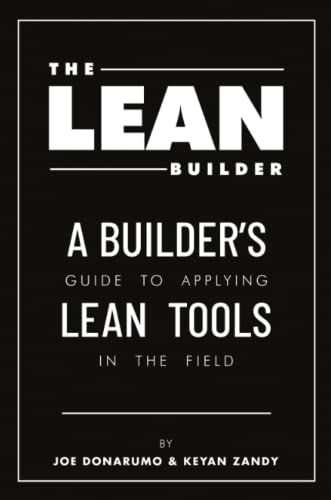
Streamlining the Jobsite
Golden Hook & Introduction
SECTION
Nova: Most construction sites are basically high-stakes treasure hunts, except the treasure is a profit margin and the map is a set of blueprints that were updated three weeks ago.
Atlas: That is a brutal way to put it, Nova. But honestly, if you walk onto a job site today, you can still see the chaos. You have subcontractors arguing over space, materials sitting in the rain, and the project manager running around with a phone in one ear and a clipboard in the other, trying to stop the bleeding.
Nova: Exactly. And that image—the frantic, paper-chasing manager—is exactly what we are dismantling today. We are looking at the core principles found in the industry-shaping guide, Streamlining the Jobsite. It is a masterclass in shifting from reactive firefighting to proactive, data-driven leadership.
Atlas: I have heard this book mentioned in circles where people are obsessed with lean construction and digital transformation. It seems to be the go-to manual for anyone who is tired of the old-school, chaotic way of building.
Nova: It really is. The author, who spent decades navigating the shift from traditional methods to the digital age, pulls no punches. What makes this book stick is that it doesn’t just preach about technology. It talks about the psychology of the builder. It addresses why we cling to "the way we’ve always done it" even when it’s actively costing us money and time. It’s widely considered the blueprint for the modern, tech-forward construction entrepreneur.
Atlas: That sounds like exactly the kind of shift that separates the companies that survive a market downturn from the ones that thrive through it. Let’s get into it.
The Digital Shift and the Death of the Paper Trail
SECTION
Nova: So, let’s start with the first massive hurdle: the transition from paper to digital. Most people think "going digital" just means moving your files to a cloud folder. But the book argues that this is a total misunderstanding of what digital tools actually do.
Atlas: Wait, hold on. If I scan a PDF of a blueprint and put it on a tablet, isn't that digital? What else is there to do?
Nova: That is the trap. You are just digitizing the paper. You are keeping the same slow, linear process, you are just doing it on a screen. The book makes the point that true digital construction, specifically using BIM—Building Information Modeling—is about creating a digital twin. It’s a living, breathing, data-rich model of the project.
Atlas: A digital twin. I have heard that term thrown around in tech boardrooms, but what does that actually look like on a muddy job site in the middle of November?
Nova: Think of it like this. In the old way, you build the building, and then you discover the HVAC ductwork clashes with the structural steel. You have to stop work, redesign, reorder materials, and pay for the downtime. That is a massive, expensive collision. With a digital twin, you run a clash detection in the software before you ever break ground. You build the building in the virtual world first. You find the mistakes when they are just pixels, not concrete and steel.
Atlas: I see where you are going. You are trading expensive physical rework for cheap digital problem-solving. But here is my pushback: that sounds like a nightmare to implement. You have a crew of guys who have been doing this for thirty years. You hand them a tablet and say, "Use this BIM model," and they are going to laugh at you. How do you actually get the boots-on-the-ground team to adopt this without a full-scale revolt?
Nova: That is the million-dollar question. The book is very clear on this: technology is useless without a cultural mandate. You don’t force the tool on them; you show them how it solves their specific daily headaches.
Atlas: Like what? What is the "what’s in it for me" for the guy pouring the concrete?
Nova: Exactly. Instead of saying, "We are using BIM to improve corporate efficiency," you say, "We are using this model so you don’t have to tear out the wall you just built because the pipes didn't fit." When you frame it as a tool that prevents rework and makes their day smoother, they start asking for the tablet. It’s about removing the friction that makes their job miserable.
Atlas: That makes sense. It’s not about adding a new task to their list; it’s about removing the tasks that keep them up at night. But does this actually scale? I can see this working for a massive skyscraper, but what about the smaller, custom builds where the margins are already razor-thin?
Nova: That is where the "Strategic Builder" mindset comes in. The book argues that digital tools actually matter more when your margins are thin, because you have less room for error. When you have a massive project, you can hide some inefficiency. When you are doing custom builds or smaller commercial projects, one major mistake can wipe out your entire profit for the quarter. Data isn't a luxury for the big guys; it’s a survival mechanism for everyone.
Risk Mitigation and the Architecture of Scaling
SECTION
Atlas: We have talked about the tools, but let’s talk about the leadership. I know a lot of builders who are great at the craft, but they are terrified of scaling. They feel like if they aren't on the site every single day, everything will fall apart. They are the ultimate bottleneck. How does this book address that?
Nova: You just hit on the most critical transition for any entrepreneur. The book describes this as moving from being the "Chief Firefighter" to being the "Architect of Systems." Most builders are stuck because they are managing by intuition. They know when something is wrong because they can smell the trouble. But you cannot scale intuition. You can only scale systems.
Atlas: I like that. You can’t scale intuition. So, how do you turn intuition into a system?
Nova: You start by documenting the decision-making process. Think about it. When a problem arises, what is your first thought? "How do I fix this?" The book suggests you need to change that to, "What system failed that allowed this problem to happen, and how do I patch the system so it doesn't happen again?"
Atlas: That sounds great in a boardroom, but in the field, things happen. Weather, supply chain issues, labor shortages. You can’t systemize the weather.
Nova: You’re right, you can’t control the weather. But you can control your response to it. The book talks a lot about "Risk Assessment and Mitigation Strategies." Most people think risk management is just having a good insurance policy. This book argues that risk management is a proactive, daily habit. It’s about building in buffers, not just of time, but of information.
Atlas: Give me an example of what that looks like.
Nova: Let’s say you have a reliable supplier who has been on time for five years. The "intuitive" builder says, "They’ll be fine." The "strategic" builder looks at the data, sees that the supplier is expanding too fast, and realizes the risk of delay is rising. They proactively source a backup supplier, even if it costs a tiny bit more upfront. They are buying insurance against the delay.
Atlas: That is interesting. You are basically paying a premium to de-risk the project. It’s like hedging a stock portfolio, but for construction materials.
Nova: Exactly. And when you do that consistently, you stop being a firefighter. You are no longer reacting to crises because you have already engineered them out of the process. This is the only way to scale. You have to trust your systems more than you trust your own ability to swoop in and save the day.
Atlas: I can see why that’s a hard pill for a lot of builders to swallow. It’s an ego check. You have to admit that you aren't the hero of the story; the process is.
Nova: It is a massive ego check. But it’s the only way to get to that next level of growth. If your business depends on your personal presence, you don't own a business; you own a very demanding job. The book really pushes the reader to ask: "If I disappeared for a month, would the project finish on time, on budget, and to the same quality standard?" If the answer is no, you have a system problem, not a people problem.
Atlas: That is a tough question to ask yourself. But it’s the exact kind of question that forces you to improve. It forces you to document the workflows, to train the team properly, and to leverage technology so that the information is accessible to everyone, not just trapped in your head.
Nova: And that brings us back to the digital tools we mentioned earlier. The digital twin, the project management software, the automated reporting—these are the vessels for your systems. They allow you to delegate without abdication. You can check the dashboard and see the status of the project without being on-site. You are managing the business, not just the site.
Synthesis & Takeaways
SECTION
Atlas: We have covered a lot today. From the shift to digital twins and BIM to the internal shift from firefighter to systems architect. What is the one thing you want our listeners to walk away with?
Nova: If I had to distill it down, it’s the realization that efficiency is not about working faster. It is about working smarter by reducing the variables you leave to chance. Construction is inherently messy, but your process doesn't have to be.
Atlas: That’s a powerful distinction. It’s about taking control of the chaos before it takes control of you. I also think the point about the "ego check" is vital. You cannot scale if you need to be the smartest person in the room on every single decision.
Nova: Absolutely. The future of construction isn't just about better machines or faster concrete. It’s about the builder who can synthesize technology, risk management, and systems thinking to create a repeatable model of success. It’s about building a business that can build itself.
Atlas: And for anyone listening who feels like they are stuck in that loop of constant firefighting, I would challenge you to pick one system—just one—that you are currently handling with "intuition" and try to document it this week. Turn it into a repeatable process.
Nova: That is a fantastic, practical starting point. It’s not about changing everything overnight. It’s about the compound interest of small, systemic improvements. That is how you transform from a builder into a leader.
Atlas: I love that. It’s about building the business just as carefully as you build the structure. Thank you for walking us through this, Nova. This has been a great deep dive.
Nova: My pleasure. This is Aibrary. Congratulations on your growth!