

The 'How-To' Twist: How to Lead Change Without Burning Out Your Team
Golden Hook & Introduction
SECTION
Nova: We're often told to push harder for change, to embrace disruption, to accelerate innovation. But what if that very relentless drive is secretly sabotaging your best intentions and, even worse, burning out the very people you rely on most?
Atlas: Wow, Nova, that hits close to home for so many people in leadership roles. I imagine a lot of our listeners feel that exact tension. It’s like, you know you need to evolve, but the thought of another big initiative just makes everyone groan. What’s the real cost of that constant push, then?
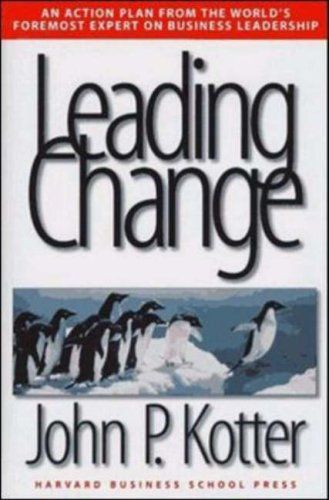
Nova: It’s immense, Atlas. It’s the cold, hard fact that change is constant, but resistance to it is equally strong. Your drive for process innovation, for a better future, can hit a wall if it’s not managed with care and empathy. And that wall? It’s often built from team fatigue, not a lack of effort. Today, we’re diving into navigating that paradox. We'll be drawing insights from foundational texts like John P. Kotter’s seminal "Leading Change" and Peter Senge’s transformative "The Fifth Discipline," both of which, despite being written decades ago, offer timeless wisdom for this very modern leadership challenge.
Atlas: Those are classics! Still relevant today, which tells you something about the enduring nature of human behavior, even in the face of rapid technological shifts. So, let’s start there. Why is resistance to change so strong, even when the change is clearly for the better? What's going on beneath the surface?
The Inevitable Clash: Why Change Leads to Burnout and How to Prevent It
SECTION
Nova: Exactly. It’s not just about logical resistance; it’s deeply psychological. People are wired for comfort, for predictability. Change, by its very nature, disrupts that. And when leaders don't acknowledge that human element, when they just push for the 'what' without considering the 'how,' that's when you see the true cost: disengagement, exhaustion, and ultimately, burnout. Kotter argued that successful change follows an 8-step process. He starts with creating urgency.
Atlas: Hold on, “creating urgency” often feels like adding more pressure to an already overflowing plate. For our listeners who are already managing high-pressure teams, how do you create urgency without just piling on stress and making people feel like they’re constantly running on a treadmill?
Nova: That’s a crucial distinction, Atlas. Kotter isn't advocating for manufactured panic. He's talking about helping people and the need for change, not just intellectually understand it. It's about making the current state genuinely undesirable, not by fear-mongering, but by illustrating missed opportunities, inefficiencies, or emerging threats in a way that resonates. It’s about shared understanding, not top-down declaration.
Atlas: So, it's less about a fire drill and more about collectively realizing the house is getting leaky. I like that. What about his next step, building a guiding coalition? That sounds like a fancy term for a committee.
Nova: It can be, if done poorly! But when done right, a guiding coalition is far more than a committee. It’s a powerful group of individuals from across different levels and departments, with diverse skills and perspectives, who genuinely believe in the change and have the credibility to lead it. They become the champions, the interpreters, the problem-solvers. Think of it like assembling the perfect expedition team for a challenging climb. You don't just pick the strongest; you pick the navigators, the strategists, the motivators.
Atlas: That makes sense. I can see how that would help overcome inertia. If the message comes from within, from people you trust and work with daily, it lands differently than another memo from upstairs. Can you give an example of a guiding coalition that genuinely engaged people and didn't feel like just another top-down directive?
Nova: Absolutely. Imagine a manufacturing company struggling with outdated processes. Instead of the CEO just mandating new software, they formed a coalition. It included a seasoned floor manager who understood the daily grind, a tech-savvy mid-level engineer, someone from customer service who saw the impact of delays, and even a junior team member who brought a fresh perspective. This diverse group didn't just the new software; they how it would integrate, identified training needs, and became the internal experts who championed its adoption. They weren't just told to implement; they were empowered to lead. That's the difference between mere compliance and genuine ownership.
Atlas: That’s a powerful distinction. It’s about giving people agency, which is so often missing in top-down change initiatives. It’s not just about getting buy-in; it’s about getting investment.
Systems Thinking, Shared Vision & Nova's Take
SECTION
Nova: Precisely. And that naturally leads us to the second key idea we need to talk about, which often acts as a complementary force to Kotter’s structural approach: Peter Senge's "The Fifth Discipline." Senge highlights the importance of systems thinking and shared vision. While Kotter gives us the roadmap, Senge provides the engine: understanding how everything connects and where we're all trying to go together.
Atlas: Systems thinking – that sounds incredibly complex. For people who are already overwhelmed, the idea of thinking about at once might feel like another burden. How does seeing the whole system actually reduce stress during transitions, as Senge suggests?
Nova: It’s counter-intuitive, isn't it? But Senge argues that individual stress during transitions often comes from feeling like a small cog in a giant, unknown machine. You’re reacting to symptoms without understanding the root cause. Systems thinking helps you zoom out. Instead of just fixing one problem, you see how that problem connects to others. It reduces individual stress because you move from reactive firefighting to proactive, intelligent problem-solving. It’s like being a single musician in an orchestra, playing your part, but also understanding the entire symphony. You know where your notes fit, how they contribute to the whole, and that collective understanding reduces the anxiety of the unknown.
Atlas: That’s a great analogy. So you're saying that when everyone understands the bigger picture and how their piece fits in, the pressure on any single individual actually lessens, because they're part of a more intelligent collective. But how do you get a diverse team to truly a vision? Especially when individual priorities might conflict, or people have different ideas about the future? Isn't that just "pushing harder" with a nicer, more philosophical name?
Nova: Not at all. This is where "Nova's Take" comes in. Effective leadership during change isn't about pushing harder; it's about building understanding and collective ownership. A shared vision isn't something you dictate; it's something you co-create. It’s a process of deep dialogue, where everyone’s perspectives are heard, assumptions are challenged, and a compelling picture of the future emerges that genuinely excites and motivates everyone. It’s less about a leader saying, "Here's our vision," and more about asking, "What future do want to build together?"
Atlas: That sounds like a lot more work upfront, but I can see how it pays dividends down the line. It's like, instead of trying to drag people towards a future they don't understand or believe in, you're inviting them to help design it. What does that look like in practice? Any vivid anecdotes to illustrate that co-creation?
Nova: Absolutely. I remember a tech startup that needed to pivot its core product. The leadership could have just announced the new direction. Instead, they ran a series of intense, facilitated workshops. They brought in engineers, sales, marketing, and even a couple of key customers. They didn't just brainstorm; they argued, debated, and ultimately, together, they drew out the new product vision on giant whiteboards, complete with user stories and potential challenges. By the end, everyone felt not just informed, but invested. When the actual development started, the team tackled obstacles with an almost fanatical zeal because it was vision, not just management’s. The emotional impact was palpable; it shifted from a directive to a shared mission.
Tiny Step & Synthesis
SECTION
Atlas: Wow, that’s actually really inspiring. So, understanding and ownership – I get that. It’s about genuine engagement. But for someone trying to implement this, for our listeners who are strategists and mentors, where do they even start? It feels like another huge change to implement this of changing. What's the tiny step?
Nova: That’s the beauty of it, Atlas. The "Tiny Step" is intentionally small because it builds muscle memory for collaborative change. Identify one small, non-critical process you want to improve, and intentionally involve a diverse group from your team in its redesign.
Atlas: That’s actually really smart. It’s not about a grand gesture, but building a habit. So it's less about the 'what' and more about the 'how' of approaching change itself. You’re not tackling the biggest, scariest problem first, but practicing the of collaborative problem-solving on something manageable.
Nova: Exactly. Think about it: if you want to run a marathon, you don't start with 26 miles. You start with a walk around the block. This tiny step is your walk around the block. It’s low-stakes, high-learning. It allows your team to experience the benefits of collective ownership and systems thinking without the pressure of a make-or-break initiative. It builds trust, communication, and the confidence to tackle bigger changes down the road. It’s how you shift from managing resistance to fostering resilience.
Atlas: And that's the key, isn't it? True leadership in change isn't about imposing a new future. It's about empowering your team to co-create it, to build understanding, and to own the journey together. It flips the script from a burden to a shared adventure. That gives me chills, in a good way.
Nova: It is, Atlas. It's the difference between dragging your team through change and lifting them up with it. It’s about realizing that the most powerful force for change isn't a leader's drive, but a team's collective ownership.
Atlas: So, if you're feeling that tension between the need for innovation and the fear of team burnout, remember this: start small, involve everyone, and build understanding. Don't push harder; lead smarter, with empathy and collaboration at the core.
Nova: And that, ultimately, is how you lead change without burning out your team. It’s a continuous journey of growth, for you and for your people.
Nova: This is Aibrary. Congratulations on your growth!