The Silent Language of Influence: How Small Shifts Create Big Impact
9 minGolden Hook & Introduction
SECTION
Nova: We all like to think we're rational, logical decision-makers, impervious to suggestion. But what if I told you your brain is being subtly influenced dozens of times a day, without you even realizing it?
Atlas: Oh, come on, Nova. Are you saying we're all just puppets on psychological strings? Because I'd like to believe I'm a bit more in control than that. That sounds a bit out there.
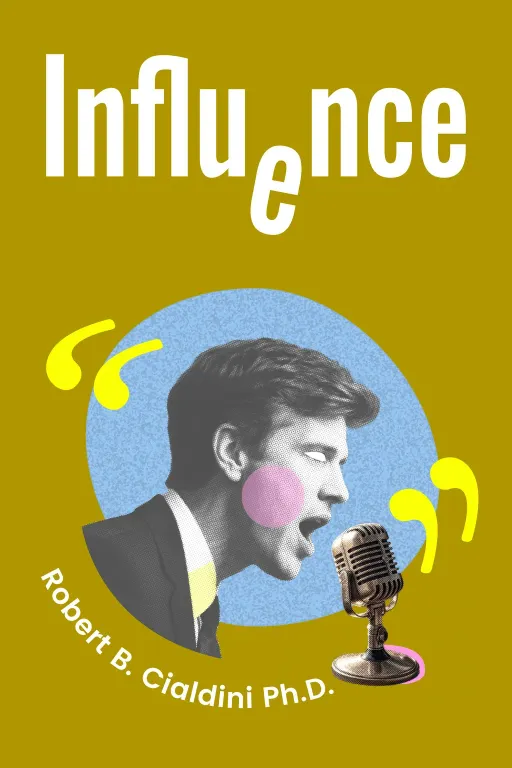
Nova: I know, right? It feels almost conspiratorial. But today, we're diving into the brilliant, eye-opening work of Robert Cialdini, specifically his seminal books, and. What's truly fascinating about Cialdini is he didn't just theorize from an ivory tower. He spent years, literally, going undercover. He infiltrated various sales organizations, marketing firms, and even cults, to understand influence from the inside out. He was a participant observer, a psychological spy, if you will.
Atlas: Wow, a psychological spy! That's a great way to put it. That makes me wonder, how does this invisible influence actually work then, if it’s so subtle? I can see how that would be relevant for anyone trying to build something meaningful, like our listeners who are architects of systems or psychologists of teams.
Nova: Exactly! And that's where his foundational work comes in.
The Six Silent Languages of Influence: Cialdini’s Foundational Principles
SECTION
Nova: Cialdini identified six universal principles, these "silent languages" that govern human influence. They're so powerful precisely because they often operate below our conscious radar. Let's start with Reciprocity. It’s simple: we feel obligated to return favors. Think about those free samples at the grocery store.
Atlas: Oh, I know that feeling! You take a tiny piece of cheese, and suddenly you’re walking out with a whole block you didn't even want. So you’re saying it’s not just politeness; it’s a deep-seated psychological urge?
Nova: Absolutely. It's a fundamental part of human social fabric. It's what allows for cooperation. But it can be ethically applied or subtly abused. For leaders, it means genuinely giving value first, building trust, rather than just expecting something in return. Next, we have Commitment and Consistency. Once we make a small commitment, we feel internal and external pressure to remain consistent with that initial stance.
Atlas: That makes sense, but how does that balance with agility? For our listeners in fast-moving environments, consistent thinking can sometimes feel like a trap. How do "Architects" build systems that are consistent enough to be reliable, but flexible enough to adapt?
Nova: That's a crucial point. It's about consistent and, not necessarily rigid methods. A small, initial agreement to a vision can lead to larger buy-in, as long as that vision remains compelling. For example, getting someone to sign a petition for a cause, even a small one, makes them more likely to later donate money to that same cause. They’ve publicly committed. Then there's Social Proof. We look to others to determine what's correct behavior, especially when we're uncertain.
Atlas: Right, like seeing a crowded restaurant and assuming it must be good, even if you don't know anything about it. But what about the echo chambers of social media? Sometimes social proof can lead us down the wrong path, can't it?
Nova: It absolutely can. Social proof is powerful, but it's not infallible. It’s why reviews and testimonials are so important for product developers, but also why critical thinking is paramount. Then, briefly, Authority. We tend to defer to credible experts, often even when it goes against our own judgment. Think about doctors in lab coats. Liking: we're more likely to be influenced by people we like, whether it’s due to similarity, compliments, or cooperation. And finally, Scarcity: opportunities seem more valuable when their availability is limited.
Atlas: Wow, that’s actually really inspiring. So basically, you’re saying these six principles – reciprocity, consistency, social proof, authority, liking, and scarcity – are the underlying currents of human interaction. But how do these seemingly simple ideas have such profound impact on our decisions?
Nova: They tap into our fundamental human needs for belonging, trust, cognitive ease, and self-preservation. When skillfully and ethically employed, they don't force decisions; they gently guide people towards actions that align with their existing values or perceived needs. But Cialdini didn't stop there. He then asked: what if you could influence someone you even delivered your message?
Pre-Suasion: Setting the Stage for Impact
SECTION
Nova: And that naturally leads us to the second key idea we need to talk about, which often acts as a counterpoint to what we just discussed: the concept of "Pre-Suasion." This is where Cialdini really expanded his work, demonstrating how setting the stage delivering a message can dramatically increase its persuasive power. It's about shifting someone's attention and focus in a particular direction, making them more receptive to your message when it finally arrives.
Atlas: Okay, so you’re saying it's not just about you say, but and you prepare someone to hear it? That makes me wonder, can you give an example? Like, how does one "set the stage" for a specific outcome, such as getting a team to embrace a new, challenging idea in a high-stakes tech environment?
Nova: Fantastic question, Atlas. Let me give you a classic example from Cialdini's research. Imagine an online furniture store. Researchers wanted to see if they could influence what kind of furniture people prioritized: comfort or price. So, they subtly manipulated the background of the website. For half the visitors, the background showed fluffy, soft clouds. For the other half, it showed pennies.
Atlas: Hold on. You’re telling me that just putting clouds or coins in the background of a website can change what people buy? That sounds almost too simple to be true.
Nova: That's the brilliance of pre-suasion! The visitors who saw the fluffy clouds prioritized comfort, often choosing more expensive, plush sofas. Those who saw pennies prioritized price, opting for cheaper, more functional pieces. The subtle visual cue of clouds primed them for comfort, while pennies primed them for cost-consciousness. The message about the furniture itself didn't change, but their to certain attributes did.
Atlas: Wow, that gives me chills. That’s incredibly subtle and powerful. For our listeners who are "Psychologists" designing user experiences or "Architects" building products, this is huge. It really makes me think about the ethical implications. How can we use this for positive impact in product design or team motivation, rather than just clever marketing?
Nova: That's the core ethical dilemma, and Cialdini himself stresses this. The underlying psychology is that whatever we focus on expands in our mind. If you get someone to focus on "comfort" before they evaluate a product, they'll weigh comfort more heavily. For a leader, it means asking a team to reflect on their shared values of "innovation" before introducing a risky new project, rather than just presenting the project cold. You're not coercing them; you're reminding them of existing internal drivers.
Atlas: So, it's about creating a "privileged moment" of receptivity, as you called it, by guiding attention. But is this just clever marketing, or does it apply to deeper human connection and building trust? Because for someone focused on human connection, this could feel a bit... manufactured.
Nova: It absolutely applies to building trust and connection, precisely because it's about intentionality. When you understand pre-suasion, you become more aware of how you're framing interactions. Consider a negotiation: if you want to emphasize collaboration, start by having a shared experience, or ask about common goals, diving into the specifics. You're not manipulating; you're creating a shared mental space conducive to the outcome you both desire. It's about designing for connection, not just persuasion.
Synthesis & Takeaways
SECTION
Nova: So, what Cialdini's work really shows us is that influence isn't some dark art; it's a science. It's about understanding the fundamental laws of human behavior that shape our decisions. By mastering these principles, and especially the power of pre-suasion, we become more ethical and effective communicators, capable of designing interactions for more positive outcomes.
Atlas: That’s a great way to put it, Nova. For anyone who seeks wisdom in the journeys of others, or who's driven by creating meaningful and sustainable impact, these aren't just psychological tricks. They are fundamental tools for building unbreakable teams, designing empathetic products, and fostering genuine human connection. It's about intentionality over accident.
Nova: Exactly. And the tiny step you can take today is simple: observe a recent conversation or interaction. Can you identify one of Cialdini's principles at play, either by you or the other person? Were you influenced by social proof in your last purchase decision? Did you feel a sense of reciprocity when someone gave you an unsolicited compliment?
Atlas: Yeah, I can definitely relate. It makes you realize how much is happening beneath the surface. It really pushes you to be more self-aware about how you're communicating and how you're being communicated with. The power truly lies in that application.
Nova: Absolutely. And we encourage all our listeners to reflect on where they've seen these principles in action. Share your insights with us and the Aibrary community. We'd love to hear how these ideas resonate with your own experiences.
Atlas: Because understanding these silent languages of influence can truly transform how you connect and create in the world.
Nova: This is Aibrary. Congratulations on your growth!