

The Art of Influence: Mastering Persuasion Through Story and Connection
Golden Hook & Introduction
SECTION
Atlas: I've always thought influence was about having the loudest voice or maybe just the most compelling argument. It felt like a battle of wits, you know?
Nova: What if I told you the most influential people rarely raise their voice, and their arguments are often woven into an invisible tapestry of human psychology? The real power isn't in volume, it's in resonance.
Atlas: Oh, I like that. "Resonance." That definitely shifts my perspective. It sounds a lot more... sustainable, for someone trying to build genuine connections, rather than just win a debate.
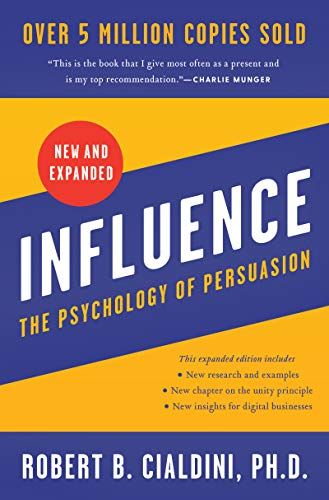
Nova: Absolutely. And that's exactly what we're unpacking today with. We're drawing insights from two absolute titans: Robert Cialdini and Cole Nussbaumer Knaflic. What's fascinating about Cialdini, a renowned social psychologist, is that he actually went undercover for three years, embedding himself in different sales and marketing organizations to understand persuasion from the inside out. His work isn't just theory; it's incredibly grounded in real-world application, which gives it a unique kind of weight.
Atlas: That's incredible. So, he wasn't just observing, he was the dynamics of influence. Now that you mention this "invisible tapestry" and Cialdini's deep dive, it makes me wonder, how does this subtle, psychological approach actually work? For someone who's used to looking at hard data and strategic plans, the idea of 'invisible' influence feels almost... magical.
The Ethical Architecture of Influence: Cialdini's Principles
SECTION
Nova: It can feel that way, but it's pure human nature. Cialdini's core premise is that true influence isn't about manipulation; it's about ethically guiding others to see the value in your perspective. It’s about building genuine rapport and creating lasting impact. He outlines six universal principles of persuasion, and they're like the fundamental laws of social physics.
Atlas: Six universal principles? Okay, I'm intrigued. For someone always trying to see the big picture and connect the dots, understanding these 'laws' could be incredibly powerful. Which ones are most relevant to building trust and driving growth, especially when you're not just selling, but genuinely trying to build bridges?
Nova: Let's focus on two that are foundational for building those bridges: Reciprocity and Social Proof. Reciprocity is simple: we feel obliged to return favors. If someone does something for us, we feel a natural, often subconscious, urge to do something back.
Atlas: Oh, I know that feeling. Like when someone holds a door for you and you feel the need to smile or say thank you, even if it's a tiny gesture.
Nova: Exactly. But it goes deeper. Imagine you're in a restaurant. A server brings your bill and places a single mint on the tray. Tips go up slightly. But if the server pauses, looks you in the eye, and then offers a mint, saying, "For you lovely people," tips can jump by 20% or more.
Atlas: Whoa, really? Just a second mint and eye contact? That's such a tiny gesture for such a significant leap in outcome.
Nova: It is. The first mint is a transaction. The second, personalized mint, is an unexpected gift. It triggers a feeling of genuine obligation because it feels like a personal favor, not just part of the service. That's reciprocity in action.
Atlas: But wait, looking at this from a strategic perspective, isn't that just a clever trick? For someone trying to build lasting trust and genuine connections, how do you use reciprocity without it feeling manipulative? It sounds a bit like a psychological hack.
Nova: That's a crucial distinction. The ethical application is key. It's not about giving a small thing to get a big thing. It's about genuine value exchange. If you genuinely provide value upfront, without expectation, people are far more likely to reciprocate that value, whether it's their time, their attention, or their trust. For a strategist, it means consistently delivering insightful analysis or helpful advice, not just when you want something in return, but as a genuine part of your approach. That builds the foundation for long-term influence.
Atlas: That makes sense. It’s about being a giver of value first, which then naturally opens the door for influence. So, it's less about a quick win and more about cultivating a relationship.
Story as the Engine of Persuasion: Knaflic's Data-Driven Narratives
SECTION
Nova: Precisely. And speaking of cultivating relationships and conveying genuine value, sometimes even the most solid facts, the most brilliant insights, can fall flat. That's where Cole Nussbaumer Knaflic steps in with her work on "Storytelling with Data." She shows how to use narrative to make data compelling and persuasive, transforming raw facts into emotionally resonant messages that drive action.
Atlas: Okay, so it's not just about having the right data, but how you package it? For an analyst, the numbers are sacred, and the facts speak for themselves. How do you convince someone to 'storytell' without feeling like you're diluting the facts or making it less rigorous?
Nova: It's not about diluting; it's about illuminating. Imagine a team presenting market trend data to senior leadership. One analyst might put up a dense spreadsheet, full of numbers and charts, saying, "Here are the Q3 growth figures, and here's the projected Q4."
Atlas: Oh, I know that feeling of staring at endless numbers and trying to connect the dots yourself. You see the data, but you don't always the implications.
Nova: Exactly. Now, imagine another analyst, using Knaflic's approach. They start by telling the story of a specific customer segment they nearly lost last year. They show a simple line graph that, instead of just displaying raw quarterly sales, highlights the where a new product feature was introduced. They narrate how that feature directly addressed customer pain points and led to a dramatic recovery in that segment. They connect the data to the human impact.
Atlas: That's a huge difference! So, it's not just showing the trend, but showing the trend matters to? It's like the data becomes the character in a narrative of struggle and triumph. That’s a powerful way to make an abstract market trend feel real. It makes me wonder, how does this actually work for someone who's always digging into market trends? How do you transform a spreadsheet into a compelling story?
Nova: It starts with identifying the core message and the audience. What problem are you solving? Who are you solving it for? Then, you strip away the noise in your data and focus on the insights that directly support that message. Knaflic emphasizes visual simplicity – clean charts that highlight only what's essential. And then, you build a narrative arc around it: the initial situation, the rising action, the climax, and the resolution. The story provides context and emotional resonance, making the data's implications undeniable and actionable.
Atlas: I can see how that would deepen connections. It’s about putting the human element back into the numbers. It’s not just about what the data, but what it for people, for strategy, for growth. This is a game-changer for anyone trying to see around corners and gain an edge, making complex information accessible and impactful.
Synthesis & Takeaways
SECTION
Nova: Precisely. When you bring Cialdini and Knaflic together, you realize that true influence isn't about being the smartest person in the room with the most facts. It's about understanding the deep-seated psychological triggers that drive human behavior, and then communicating your perspective in a way that resonates emotionally and intellectually, through compelling narratives. It’s the fusion of insight and empathy.
Atlas: So it's like, first you understand the human wiring – the subtle ways we're inclined to respond – then you speak to that wiring in a language it understands – story. That makes so much sense for someone driven by growth and impact. It’s about guiding, not forcing. It’s about building a shared vision, not just winning an argument.
Nova: Exactly. It moves beyond just getting compliance to fostering genuine buy-in and trust. And here's your 'tiny step' from today: in your next presentation or important conversation, identify one key message you want to convey. Then, instead of just stating it as a fact, craft a short, personal story around that message to make your point more memorable and impactful.
Atlas: That's a brilliant, actionable step. It's about taking these profound insights and applying them, not just intellectually, but practically. It’s about leveraging our innate human connections to truly persuade and, ultimately, to cultivate meaningful growth.
Nova: It truly is. The lasting impact comes when you combine deep psychological insight with clear, compelling communication, turning complex ideas into relatable messages.
Atlas: This is Aibrary. Congratulations on your growth!