

The Persuasion Paradox: How to Influence Without Manipulation
Golden Hook & Introduction
SECTION
Nova: Forget everything you think you know about influence. Most people believe it's about forcing your will, about clever tricks, about a subtle form of manipulation. But what if the most powerful, most enduring form of persuasion isn't about manipulation at all, but about something far more profound?
Atlas: Oh, I like that. "Profound influence." That already sounds like a welcome departure from the usual tactics we see everywhere. So, are we talking about some kind of Jedi mind trick, or is there actual substance behind this?
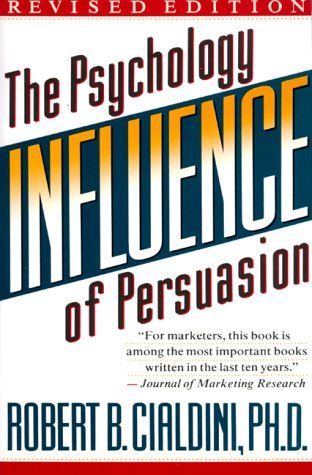
Nova: Absolutely substance, Atlas. Today, we're diving headfirst into what we're calling "The Persuasion Paradox: How to Influence Without Manipulation." And our guides for this journey are two titans in their fields: Robert Cialdini, with his groundbreaking work, “Influence: The Psychology of Persuasion,” and Simon Sinek, who famously asked us to “Start with Why.” It’s fascinating how Cialdini, a social psychologist, spent years doing undercover research in sales and fundraising organizations to uncover these universal principles. And Sinek, a leadership guru, completely reframed how we think about purpose after his wildly popular TED Talk.
Atlas: Right, so we have the deep academic rigor from Cialdini, who really broke down the mechanics of how people are influenced, almost like an engineer reverse-engineering human behavior. And then Sinek comes in with the philosophical, almost spiritual, side of leadership. It sounds like one gives us the tools, and the other gives us the blueprint for using them ethically. So, if it’s not manipulation, what are these core levers, Nova?
The Six Pillars of Influence: Cialdini's Ethical Triggers
SECTION
Nova: That's the perfect question. Cialdini identified six universal principles of persuasion, and they’re not magic spells; they’re deeply ingrained psychological triggers that guide human behavior. Think of them as the invisible forces that move us, often without us even realizing it. The first one is Reciprocity.
Atlas: Oh, I know that feeling. Like when someone gives you a small gift, and you immediately feel obligated to do something for them in return. It’s almost instinctual.
Nova: Exactly! It’s one of the most powerful. It’s the feeling of obligation to return a favor. Imagine a classic example: the free sample in a grocery store. It's not just a taste; it's a subtle trigger. You receive something, and a tiny psychological debt is incurred. Now, ethically, a leader might use this by genuinely supporting their team first, investing in their growth, offering help without immediate expectation. That builds powerful, authentic goodwill, which then makes people more receptive to their ideas.
Atlas: Okay, but isn't that just quid pro quo? How do we ensure it's not manipulative, especially for our listeners who are analytical and want to ensure their influence is genuine, not just transactional?
Nova: That's precisely the paradox we're exploring! The ethical line is crossed when the initial "gift" or favor isn't genuine, or when the expectation of return is disproportionate and hidden. True reciprocity is about building trust and connection. Another principle is Commitment and Consistency. Once we make a small commitment, we feel an internal and external pressure to behave consistently with that commitment.
Atlas: So, if you say you’re going to do something, you’re much more likely to follow through, even if it becomes inconvenient. Like signing a petition, and then you’re more likely to donate to that cause later?
Nova: Perfect example. Ethically, a manager might ask a team member to publicly state a small, achievable goal. That public commitment, even a small one, increases the likelihood they’ll follow through and take on bigger challenges. It builds momentum.
Atlas: For someone trying to influence a team, how do you ethically leverage this without cornering people into something they don't truly want to do?
Nova: It’s about alignment, Atlas. You’re asking them to commit to something they genuinely believe in or have already shown interest in, not coercing them. You’re helping them align their actions with their stated values. And then there’s Social Proof—we look to others to determine appropriate behavior. Think of online reviews or a crowded restaurant.
Atlas: So, it's like "monkey see, monkey do," but on a more sophisticated level, where we trust the wisdom of the crowd.
Nova: Precisely. Next, Authority. We tend to defer to experts or those in positions of power. Think about doctors in white coats, or even someone with a strong, well-researched argument. Then Liking: we're more easily persuaded by people we like, people who are similar to us, or who give us compliments. And finally, Scarcity: the perception that opportunities are more valuable when they're less available. Think "limited edition" or "last chance."
Atlas: What a powerful set of patterns! Recognizing these psychological levers is one thing, Nova, but how do you make sure the behind using them is pure? How do we prevent these powerful tools from being twisted into mere manipulation?
The Power of Purpose: Sinek's 'Start with Why'
SECTION
Nova: That’s exactly where Simon Sinek steps in, Atlas. Because Cialdini gives us the 'how' – the tactical understanding of these triggers. But Sinek gives us the 'why' – the ethical compass, the foundational purpose that dictates and to use those tools. He argues that people don't buy what you do, they buy you do it.
Atlas: Oh, I’ve heard about Sinek’s Golden Circle. It’s like, most companies talk about they do, then they do it, but very few start with they do it. It sounds simple, but it’s actually quite profound.
Nova: It is. Think about Apple, for instance. Their 'why' isn't just to sell computers. Their 'why' is to challenge the status quo, to think differently. they sell are beautifully designed products, and they do it is through user-friendly interfaces. But it's that core belief, that 'why,' that truly resonates and inspires intense loyalty. When you communicate your 'why' first, you connect with people on a much deeper, emotional level.
Atlas: So, 'why' isn't just about making money or being successful? And how does an 'influential innovator' actually their why, let alone articulate it in a way that inspires? That sounds like a monumental task for someone who's used to dealing with data and logic.
Nova: It’s not about profits; it’s about purpose. Finding your 'why' is often a journey of self-reflection. It’s about identifying your core beliefs, your passions, the impact you truly want to make beyond just the transactional. For an analytical architect, it might be about the 'why' behind building sustainable, impactful structures, or the 'why' behind making complex data accessible. When you articulate that genuine purpose, Atlas, you build trust and loyalty. People aren’t just following your instructions; they’re joining your cause. That’s the foundation for authentic influence.
Atlas: I imagine a lot of our listeners, especially those in high-stakes environments, struggle with moving beyond the 'what' and 'how' to truly embody their 'why.' It sounds simple, but it requires a level of introspection that can be challenging when you're constantly focused on deliverables and outcomes.
Nova: It absolutely does. But that's precisely the synthesis. Cialdini’s principles become powerful tools when they are guided by Sinek’s authentic purpose. Without a strong 'why,' the 'how' can indeed become manipulative. With a clear, ethical 'why,' those principles become ways to genuinely connect, inspire, and drive positive change. You're not tricking people; you're inviting them to align with a shared purpose using the natural pathways of human psychology.
Synthesis & Takeaways
SECTION
Atlas: That’s actually really inspiring. So, it’s about understanding the underlying human wiring, but then consciously applying that understanding through a lens of genuine purpose. It's about leading with "why" and then intelligently using the "how."
Nova: Exactly. The persuasion paradox is that true influence isn't about control; it's about connection. It's about understanding human nature so deeply that you can inspire action, not force it. And that inspiration comes from communicating your authentic 'why,' and then ethically leveraging the principles of human psychology to help people see the value in aligning with that purpose.
Atlas: For our analytical architects and strategic storytellers listening, what's one concrete thing they can do this week to start building genuine, ethical influence?
Nova: Here’s your tiny step: Identify one area where you want to influence a decision—whether it’s a team project, a personal goal, or even explaining a complex idea. Now, before you think about Cialdini’s principles, ask yourself: what’s your 'why' behind wanting this outcome? What’s the core belief or impact you’re truly aiming for? Start there.
Atlas: And then, once that 'why' is clear, how can that 'why' inform which Cialdini principle you might ethically lean into to communicate that purpose effectively? It transforms the tools into extensions of your values.
Nova: Precisely. Influence, when wielded ethically and purposefully, isn't just a skill; it's a superpower for good. It allows you to make a tangible difference, to inspire others, and to build something truly meaningful. It's about changing the world, one genuine connection at a time.
Atlas: That’s a powerful thought to end on. This is Aibrary. Congratulations on your growth!