

The Invisible Threads: Mastering Influence Without Manipulation.
Golden Hook & Introduction
SECTION
Nova: Forget everything you thought you knew about 'getting your way.' What if true influence isn't about power plays or persuasion tactics, but about becoming someone others genuinely to follow?
Atlas: Whoa, genuinely to follow? That sounds almost… counterintuitive in a world that often feels like a constant negotiation battlefield. I imagine a lot of our listeners, especially those leading teams or building new ventures, might wonder how that’s even possible without resorting to old-school strong-arm tactics.
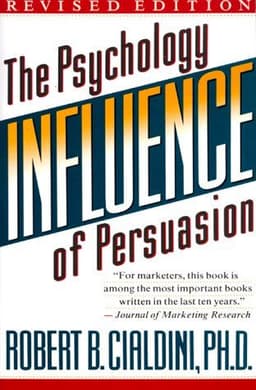
Nova: Absolutely, Atlas. And that's exactly what we're unraveling today. We’re diving into the 'Invisible Threads' that master influence without manipulation. We're pulling insights from two titans in the field: Robert Cialdini’s seminal work, "Influence: The Psychology of Persuasion," and Chris Voss’s game-changing "Never Split the Difference: Negotiating As If Your Life Depended On It."
Atlas: Oh, those names ring a bell. One's the academic who cracked the code of human psychology, and the other's the FBI hostage negotiator who turned high-stakes into high-skill. Quite the pairing. How do these two seemingly different worlds connect to create this 'invisible thread' magic?
Nova: Well, Cialdini's "Influence" is often called the 'bible of persuasion,' a testament to its enduring academic and practical impact over decades. It lays out the fundamental psychological triggers. Voss, on the other hand, brought his unique, high-stakes experience from the FBI into the world of business, fundamentally shifting how people view negotiation from confrontation to collaboration. Together, they give us a powerful, ethical toolkit. Today, we'll first explore Cialdini's foundational principles, and then we'll discuss how Voss's empathy-based negotiation can build profound rapport and achieve win-win outcomes.
The Foundational Psychology of Ethical Influence (Cialdini's Principles)
SECTION
Nova: So, let's start with Cialdini. He identified six universal principles of persuasion. Think of them as the deep-seated operating system of human behavior. The first one, and perhaps most intuitive, is Reciprocity.
Atlas: Reciprocity. Like, if you scratch my back, I'll scratch yours? That seems pretty straightforward.
Nova: It is, but it's deeper than just a tit-for-tat exchange. It’s an unspoken social contract, a powerful psychological obligation. Cialdini gives a fantastic example: the Hare Krishna society. They would give a small, unsolicited flower or book to people in airports, then ask for a donation.
Atlas: Wait, they something first, without asking? That’s bold.
Nova: Exactly. And often, people would feel a subtle, almost unconscious pressure to reciprocate by donating, even if they didn't want the item. The gift created a feeling of indebtedness, an invisible thread, if you will. It wasn't about the value of the gift, but the act of giving first.
Atlas: That’s fascinating. So, it's not just about being nice; it's about triggering a fundamental human response that makes people feel compelled to return a favor.
Nova: Precisely. It's about genuine giving, not manipulation. When you genuinely offer help or value first, you build a store of goodwill that can be drawn upon later. It builds trust.
Atlas: I can see that. For someone trying to build a strong team culture, genuinely supporting a colleague or offering expertise could create that reciprocal bond, making them more likely to support your vision later.
Nova: Absolutely. And that leads us beautifully to Social Proof, another one of Cialdini's principles. This is where we look to others for cues on how to behave, especially in uncertain situations.
Atlas: Like when you’re walking down a street, and you see a restaurant with a massive queue, and you instantly think, "That must be good"?
Nova: Perfect example! Or the classic canned laughter on TV shows. We're more likely to find something funny if we hear others laughing. It's the herd mentality, but again, ethically applied, it's powerful. If everyone else in your team is enthusiastically adopting a new process, new hires are more likely to jump on board.
Atlas: But wait, isn't that just herd mentality, and isn't that a bit manipulative if you're just trying to get people to conform?
Nova: That’s a valid concern, and it highlights the "without manipulation" part of our theme. The ethical application isn’t about fabricating popularity. It’s about genuinely showcasing that your vision, your product, your culture popular, effective, valued by others. It's about enabling people to see the existing positive momentum.
Atlas: So, it's not about tricking people into thinking something is popular, but showing them it actually is, through genuine testimonials or widespread adoption.
Nova: Exactly. And then there's Liking – we're more likely to be influenced by people we like. This sounds simple, but it’s incredibly potent. We like people who are similar to us, who pay us compliments, who cooperate with us towards mutual goals.
Atlas: That makes sense. If you're building a culture, establishing common ground and genuine appreciation can go a long way. But how do these deep-seated responses help foster genuine trust, not just compliance, in a leadership role?
Nova: The key is intention. When you understand these principles, you can use them to rather than. Reciprocity isn't a transactional ledger; it's an investment in relationship. Social proof isn't about fads; it's about transparently demonstrating value. Liking isn't about being popular; it's about genuine rapport. When applied ethically, they help build resonance, making your vision deeply appealing because it aligns with fundamental human needs for connection and belonging. You’re not just presenting an argument; you’re making it resonate.
Empathy-Based Negotiation and Active Listening (Voss's Approach)
SECTION
Nova: Speaking of genuine connection and making things resonate, Chris Voss takes that to a whole new level in high-stakes scenarios. His book, "Never Split the Difference," comes from his time as an FBI hostage negotiator. He argues that true negotiation isn't about compromise, but about understanding.
Atlas: FBI hostage negotiation? That sounds incredibly intense. How does that translate to, say, negotiating a project deadline with a reluctant team member or resolving a team conflict? Those aren't life-or-death situations, usually.
Nova: That's the brilliance of it! Voss realized these tactics are universally applicable because they tap into fundamental human psychology. His core technique is what he calls "Tactical Empathy" combined with "Active Listening." It’s about truly hearing and the other person's perspective, even if you don't agree with it.
Atlas: So, what does "tactical empathy" look like in practice? Is it just being nice?
Nova: Far from it. It's not about being nice; it's about being effective. One of his key tools is "mirroring," simply repeating the last few words of what someone just said. For example, if a hostage-taker says, "I'm tired of being ignored," the negotiator might just say, "Ignored?"
Atlas: Wait, so you're saying I should just repeat what someone says back to them, even if I disagree with their premise? That feels a bit… robotic, or even mocking.
Nova: It’s not about agreeing, Atlas. It's about showing you're listening, that you're processing their words. It disarms people. When they hear their own words echoed back, they feel heard, and they often elaborate, giving you more information. It's a non-judgmental way to encourage them to keep talking and reveal their true needs or fears.
Atlas: Huh. That’s clever. It’s like you’re opening a door for them to explain more, rather than immediately putting up a wall of disagreement.
Nova: Exactly. Another powerful tool is "labeling." This is where you identify and vocalize the other person's emotions. "It sounds like you're feeling frustrated," or "It seems like you're worried about the timeline." This validates their feelings and creates rapport.
Atlas: That’s actually really powerful. I imagine a lot of our listeners, those talent whisperers and culture architects, often encounter unspoken frustrations or anxieties within their teams. Being able to label those emotions could unlock a lot of hidden issues.
Nova: Absolutely. Voss says: "He who has learned to say 'no' to himself, will have the power to say 'no' to others." No, not quite. He says, "No is not the end of the negotiation, it is the beginning of the negotiation." And he also champions "calibrated questions," which are open-ended questions that implicitly guide the other person towards your desired outcome, without telling them what to do. Questions like, "How am I supposed to do that?" or "What about this is important to you?"
Atlas: This is profound for a talent whisperer. How does listening truly 'win' a negotiation, rather than just getting a concession? Because I think a lot of leaders feel they need to push for their own agenda.
Nova: It wins because it builds trust and reveals the behind their position. When you truly understand their perspective and underlying needs, you can find solutions that address concerns while still achieving goals. It's not about forcing them to say 'yes' to your idea; it's about helping them arrive at a 'yes' that works for everyone. It moves from a positional battle to a collaborative problem-solving exercise. This creates durable agreements and strengthens relationships, which is crucial for building resilient, high-performing structures.
Synthesis & Takeaways
SECTION
Nova: So, bringing Cialdini and Voss together, we see a powerful synergy. Cialdini gives us the "what" – the universal psychological triggers that influence human behavior. And Voss gives us the "how" – the empathetic, active listening techniques to ethically engage with those triggers, building genuine rapport and understanding.
Atlas: So it's about understanding the human operating system and then engaging with it genuinely, rather than trying to hack it. That’s a fundamentally different approach to influence than most people consider. It’s about resonance, not raw power.
Nova: Precisely. The core message here is that true influence isn't about manipulation or force. It's about understanding human nature so deeply that your vision resonates with others, making them genuinely to follow. It's influence as a service, not a weapon. True impact, sustainable growth, and strong cultures emerge from that genuine connection.
Atlas: That’s actually really inspiring. For our listeners, especially those who are architects of cultures and talent whisperers, what's one tiny step they can take this week to start applying these "invisible threads"?
Nova: In your next significant conversation, consciously apply one of these insights. Perhaps practice active listening by mirroring and labeling, or genuinely offer something first, without expectation, to build that reciprocal bond. Focus not just on presenting your argument, but on truly understanding the other person's perspective.
Atlas: So, it's about building trust, one genuine interaction at a time, and watching those invisible threads weave into powerful, ethical influence.
Nova: Exactly. This is Aibrary. Congratulations on your growth!