

The Invisible Threads: Mastering Influence Without Manipulation.
Golden Hook & Introduction
SECTION
Nova: Influence.
Atlas: Whispers.
Nova: Negotiation.
Atlas: Tango.
Nova: Persuasion.
Atlas: Mind-reading.
Nova: Trust.
Atlas: Architecture.
Nova: Ooh, I like that last one! You just hit on the core of what we’re exploring today, Atlas. We’re pulling back the curtain on the invisible threads that weave through human connection and decision-making, all under the banner of mastering influence without manipulation.
Atlas: That’s a fascinating angle. Because for so many of us, influence feels like this murky, sometimes even manipulative, art. But you're talking about architecture, about building something.
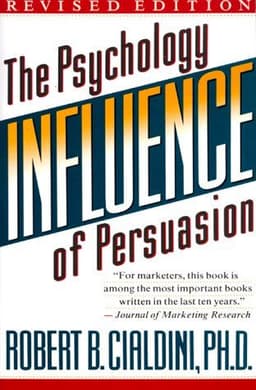
Nova: Precisely. And to truly understand this, we’re tapping into two titans who’ve cracked the code: Robert Cialdini with his seminal work, "Influence: The Psychology of Persuasion," and Chris Voss, the former FBI hostage negotiator, with "Never Split the Difference." What’s incredible about both these authors is their deep, almost visceral, understanding of human behavior. Cialdini, for instance, didn't just theorize; he went undercover in various sales and marketing organizations, immersing himself in the world of professional persuaders to see these principles in action. And Voss… well, he learned his craft in life-or-death situations, negotiating with bank robbers and kidnappers.
Atlas: So they didn’t just read about it in a textbook, they lived it. I mean, going undercover to study influence, or negotiating with someone holding hostages—that’s a much higher stakes classroom than most of us are used to. It makes me wonder how these seemingly different backgrounds converge on the idea of ethical influence.
Nova: That’s the magic, isn't it? They both arrive at a similar profound truth: true influence isn't about force or trickery. It’s about understanding human nature so deeply that you can build trust and connection, making your vision resonate with others so they genuinely to follow. Let's start with Cialdini, because he lays out the foundational psychological triggers that are always at play, whether we realize it or not.
The Six Universal Principles of Influence
SECTION
Nova: Cialdini identifies six universal principles of persuasion. Think of them as the operating system of human decision-making. Reciprocity, commitment and consistency, social proof, authority, liking, and scarcity. Now, the first one, reciprocity, is incredibly powerful. It’s the deep-seated human tendency to feel obligated to return a favor.
Atlas: Oh, I see. Like when someone holds a door for you, you feel compelled to thank them, or even hold the door for the next person. But how does that scale beyond simple courtesies?
Nova: It scales dramatically. Think about the Hare Krishnas in airports back in the 70s and 80s. They would approach travelers, often unsolicited, and press a flower into their hand. Many people would try to refuse, but the Krishnas would insist, saying it was a gift from their deity. Once the flower was accepted, they would ask for a donation.
Atlas: Whoa. So it wasn’t about the flower, it was about creating an obligation. That’s a clever trick. But isn't that just a clever trick, especially for someone trying to build genuine, sustainable cultures, not just get a one-off donation? It feels a bit like manipulation.
Nova: That’s a really important question, and it highlights the ethical tightrope. The principle itself isn't manipulative; it's how you use it. The Krishnas used it for a short-term gain. But imagine if you genuinely offer value first – you share expertise, you provide support, you help a colleague with a project without being asked. You’re building a bank of goodwill. Then, when you need collaboration on a big initiative, that genuine reciprocity is already established. It's not a trick; it's a foundation of trust.
Atlas: Okay, so it’s about starting with generosity and authentic contribution, not just a strategic opening move. That makes sense. It’s about building a relationship, not just a transaction. What about "liking"? For those of us building teams or leading complex projects, how do you genuinely foster liking without being fake or trying too hard?
Nova: Liking is fascinating because it's so intuitive. We're more likely to be influenced by people we like. And Cialdini shows us three main drivers of liking: similarity, compliments, and cooperation. It's about finding genuine common ground, offering sincere praise, and working towards shared goals. It’s not about being fake; it’s about actively looking for those genuine connections. If you're building a culture, you're constantly looking for shared values, celebrating successes, and fostering collaborative projects. That naturally builds liking, which then amplifies influence. It’s about creating an environment where people feel seen, valued, and connected.
Empathy-Based Negotiation: Beyond Win-Win
SECTION
Nova: So, Cialdini gives us the 'what' – the psychological levers. Now, let’s pivot to Chris Voss, who gives us the 'how' – the tactical application, especially in high-stakes conversations. Voss’s "Never Split the Difference" champions a radical idea: empathy-based negotiation. It’s not about finding common ground through compromise, but about listening actively and understanding the other party’s perspective so deeply that you can achieve win-win outcomes that build rapport, rather than breaking it.
Atlas: Whoa, that sounds incredibly counter-intuitive, especially in a high-pressure environment where you feel like you need to assert control. For someone leading a complex project, where stakes are high and deadlines are looming, how do you resist the urge to just push your solution? It feels like slowing down when you need to speed up.
Nova: It absolutely feels that way, Atlas. But Voss argues that the urge to push, to dominate, often backfires. He calls it "tactical empathy." It’s not about agreeing with the other person, but about understanding their emotional state and their worldview. He tells this incredible story about a bank robbery where the robber had taken hostages, and Voss was the lead negotiator. Instead of immediately demanding the robber surrender, Voss focused on listening, on labeling the robber's emotions. He’d say things like, "It sounds like you're feeling desperate," or "It seems like you're worried about going to jail."
Atlas: That’s so different from what you’d expect. I’d imagine a negotiator being firm, setting boundaries. But he was almost… validating the robber’s feelings?
Nova: Exactly. And it’s not validation in the sense of agreement, but validation in the sense of "I hear you, I see your perspective." By labeling emotions, Voss found he could often de-escalate the situation, allowing the other person to feel heard, which then opened a small window for rational thought. The robber, in that specific case, eventually felt understood enough to start making rational decisions about his surrender, leading to a peaceful resolution. Voss’s key insight is that people need to feel heard before they can hear you.
Atlas: So it’s not about giving in, it's about getting to the root of what they want, which might be different from what they're saying. For those of us trying to build trust within our teams, or even with external partners, that’s incredibly powerful. It’s about building threads of understanding, not just forcing compliance with a project plan.
Nova: Absolutely. He teaches specific techniques like "mirroring," where you simply repeat the last few words of what someone said. It’s like a gentle nudge for them to elaborate, to dig deeper into their own thoughts, revealing more information without feeling interrogated. And "labeling" isn't about being a therapist; it's about observing and articulating the emotion you perceive. "It sounds like you're frustrated with the timeline." This disarms, it builds rapport, and it gets you closer to their true motivations. It's about transforming conflict into collaboration.
Synthesis & Takeaways
SECTION
Nova: So, when you put Cialdini and Voss together, you get this incredibly rich tapestry of influence. Cialdini shows us the psychological buttons that are always there, waiting to be pressed, ethically or unethically. And Voss gives us the practical, empathy-driven tools to navigate those buttons, especially when the stakes are high, ensuring that we're building genuine understanding and connection.
Atlas: It’s about making people to follow, not just comply. It's about building threads of connection, not chains of command. The true architect of culture understands that. It's not about being the loudest voice in the room, but the one who listens most intently and offers genuine value.
Nova: Exactly. True influence isn't about manipulation, it's about earning trust, fostering connection, and making your vision resonate so deeply that others genuinely want to be a part of it. It’s about building that lasting impact, that sustainable growth, by caring about people.
Atlas: So, for our listeners, what’s one tiny step they can take this week to start weaving these invisible threads?
Nova: In your next significant conversation, consciously try to apply just one principle. Either offer genuine value first, without expectation, or actively listen to label the other person's emotions. Just one. See what shifts.
Atlas: And see how those invisible threads start to form.
Nova: Exactly. This is Aibrary. Congratulations on your growth!