

The Invisible Threads: Mastering Influence Without Manipulation.
Golden Hook & Introduction
SECTION
Nova: Atlas, if you had to sum up the essence of 'The Invisible Threads: Mastering Influence Without Manipulation' in exactly five words, what would they be?
Atlas: Oh, that’s a challenge! Let’s see… Ethical power, human connection, deep impact. How'd I do?
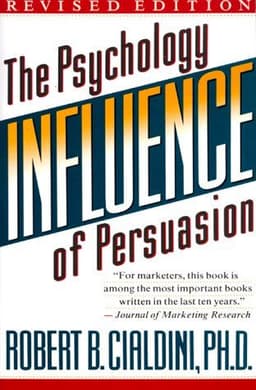
Nova: Nailed it. "Ethical power, human connection, deep impact." That's truly the heart of what we're unwrapping today. We're talking about a fascinating synthesis of ideas, drawing heavily from two titans in the field: Robert Cialdini's groundbreaking work, "Influence," and Chris Voss's electrifying "Never Split the Difference."
Atlas: That’s quite the pairing. You've got the academic psychologist and the FBI hostage negotiator. It sounds like a buddy cop movie for the brain.
Nova: Exactly! And what makes their insights so potent, Atlas, is their origin. Cialdini, a renowned social psychologist, literally went undercover, working in various sales and fundraising organizations. He wasn't just theorizing; he was observing real-world persuasion tactics from the inside, giving his work an unparalleled ethnographic depth.
Atlas: So, he was basically a spy for science, figuring out how people really get others to say 'yes.'
Nova: Precisely. And Voss? He honed his craft as the lead international hostage negotiator for the FBI. For him, understanding human psychology under extreme pressure wasn't just academic; it was literally a matter of life and death. These aren't just theories, they're battle-tested principles forged in the crucible of human interaction.
Atlas: That context alone is incredible. It makes you realize this isn't just about 'getting your way,' but about understanding the deepest drivers of human behavior.
Nova: Absolutely. And that understanding is the first invisible thread we need to pull on today. It begins with Robert Cialdini's foundational insights into what makes us tick, what makes us agree, and how we can ethically guide decisions.
The Six Principles of Ethical Influence
SECTION
Nova: So, Cialdini breaks down influence into six universal principles. Think of them as the fundamental operating system of human decision-making. Reciprocity, commitment and consistency, social proof, authority, liking, and scarcity.
Atlas: Whoa, that's a lot. For our listeners who are trying to build trust and inspire their teams, where do we even begin? And how do we use these without feeling… well, manipulative?
Nova: That's the crucial distinction, Atlas. It's not about tricking people; it's about understanding how we're wired and using that knowledge to foster genuine alignment. Let's take reciprocity, for instance. It's the simple, deeply ingrained human tendency to want to return a favor.
Atlas: So, if someone does something nice for me, I feel compelled to do something nice back. Like when a colleague helps me out with a tight deadline, I’m much more likely to lend them a hand next time.
Nova: Exactly. In a team setting, it might be a leader who consistently offers support, shares resources, or genuinely listens to concerns without immediate expectation. Over time, that builds a powerful bank of goodwill, making team members more inclined to support the leader's vision or go the extra mile. It's about being the first to genuinely give, not just expecting to receive.
Atlas: That makes sense. It’s like planting seeds of good faith. But what about social proof? How does that play out ethically for someone building a culture?
Nova: Ah, social proof. That's the principle where we look to others to determine what's correct behavior, especially when we're uncertain. Think about a restaurant with a long queue. We instantly assume it must be good, right?
Atlas: Oh, absolutely. My brain just automatically goes, "Well, if everyone else thinks it's worth waiting for, it probably is." It's almost unconscious.
Nova: It is. Ethically, in a professional context, this means highlighting genuine successes, celebrating team achievements publicly, and showcasing positive behaviors. If a leader wants to encourage a certain value, like innovation or collaboration, they don't just say it; they spotlight individuals or teams who exemplify it. It creates a visible standard that others are naturally drawn to emulate. It's about demonstrating, not just dictating.
Atlas: So, it's not about fabricating testimonials, but about genuinely showcasing what's working and who's excelling, creating a positive ripple effect. I can see how that builds a strong, self-reinforcing culture. But what if someone tries to use against me? How do I spot when I'm being nudged, perhaps a little too forcefully?
Nova: That's a brilliant question, Atlas, and it speaks to the defensive side of understanding these principles. The key is awareness. When you feel an unusually strong urge to comply, pause and ask yourself: "Am I responding to the request itself, or to one of these underlying triggers?" For example, if someone gives you an unsolicited gift and then immediately asks for a big favor, you can recognize the reciprocity trigger and make a conscious decision, rather than an automatic one. It's about reclaiming your autonomy.
Empathy-Based Negotiation: Beyond the Battlefield
SECTION
Nova: And once you understand those deep-seated drivers, the next step is applying them, especially when things get tough or when there's a clear conflict of interest. That's where Chris Voss steps in, taking us from subtle influence to high-stakes negotiation. He fundamentally shifts the paradigm from a battle of wills to a dance of understanding.
Atlas: Wait, so you're telling me the guy who negotiated with terrorists wants me to? Not just talk and dominate? That feels incredibly counterintuitive, especially in a high-stakes environment where you're expected to be strong.
Nova: It absolutely is, and that's the genius of Voss. He calls it "tactical empathy." It's not about agreeing with the other side, but about understanding their perspective, their emotions, and their underlying needs and fears. He argues that the most powerful weapon in negotiation is the ability to influence behavior by listening, not by talking.
Atlas: That’s going to resonate with anyone who struggles with getting their ideas heard or trying to resolve conflict within a team. So, how does that actually work in practice? Beyond a literal hostage situation, what does tactical empathy look like for our listeners trying to inspire their team or navigate complex product discussions?
Nova: Imagine a team member who's resistant to a new strategy. Instead of immediately countering their objections, Voss would suggest techniques like "mirroring" – simply repeating the last few words they said. Or "labeling" – identifying and verbalizing their emotions, like, "It sounds like you're feeling frustrated with the new timeline."
Atlas: In other words, you're not just hearing their words, you're reflecting their feelings back to them. And that disarms them?
Nova: Precisely. It signals that you're genuinely listening and trying to understand, which builds rapport and trust. And trust, as we know, is the bedrock of influence. Voss's approach is about getting the other person to feel heard, to feel understood, because only then are they truly open to hearing perspective. It’s about creating a safe space for difficult conversations, even when the stakes are high, turning potential conflict into collaboration.
Atlas: That’s a powerful shift. It’s moving from "how can I win this argument?" to "how can I understand what's truly driving this person?" And I imagine that leads to far more sustainable outcomes, rather than just a temporary win that leaves resentment.
Nova: Absolutely. It’s about achieving win-win outcomes not by compromising your position, but by understanding the other party so deeply that you can find solutions that address underlying needs while still achieving goals. It's the ultimate form of influence without manipulation, because it's built on a foundation of genuine connection and mutual respect.
Synthesis & Takeaways
SECTION
Nova: So, Atlas, when we weave together Cialdini’s insights into human psychology with Voss’s tactical empathy, what's the big takeaway for someone who wants to truly master influence, not just for personal gain, but to build better cultures and drive sustainable impact?
Atlas: I guess that makes sense. It’s almost like Cialdini gives you the map of the human operating system, and Voss gives you the advanced user manual for navigating it in real-time, especially when there's friction. The invisible threads aren't about pulling strings; they're about understanding the fundamental fabric of human interaction.
Nova: Exactly! The real invisible thread connecting all of this isn't some clever trick; it's genuine understanding. It's the commitment to seeing the world from another's perspective, whether you're trying to inspire a team, negotiate a deal, or simply build a stronger relationship. It's how you move from merely presenting an argument to making your vision resonate deeply.
Atlas: That gives me chills, honestly. It transforms influence from a potentially coercive act into an act of deep connection and leadership. For our listeners who are culture architects and talent whisperers, the tiny step here is so clear: in your next significant conversation, consciously apply one of these principles. Focus on genuine understanding, rather than just presenting your argument.
Nova: Exactly. Listen actively. Try to mirror their concerns, label their emotions, or simply be the first to offer genuine value without expectation. See how that shifts the dynamic. You might be surprised at the connections you build and the influence you gain, not through force, but through true human connection.
Atlas: That's a powerful and actionable challenge. It's about moving from just talking to truly connecting.
Nova: This is Aibrary. Congratulations on your growth!