

The Advocacy Paradox: Why 'Right' Isn't Enough to Win
Golden Hook & Introduction
SECTION
Nova: Truth.
Atlas: Ignored.
Nova: Justice.
Atlas: Delayed. Or worse, outmaneuvered.
Nova: Winning.
Atlas: Often, not by being right.
Nova: Exactly, Atlas! And that's precisely the 'cold fact' we're dissecting today, from a concept we're calling 'The Advocacy Paradox: Why 'Right' Isn't Enough to Win.' Our core idea is that advocacy isn't just about truth; it's about how that truth is perceived. It's a critical distinction that many, especially those driven by a deep sense of justice, often overlook, to their detriment.
Atlas: Oh, I know that feeling. You walk into a room with all the facts, all the logic on your side, and it's like speaking a different language. You lay out your meticulous research, your airtight arguments, and you just see eyes glazing over. What's actually happening in those moments? Why does it feel like pure logic just bounces off people?
The Illusion of Pure Logic in Advocacy
SECTION
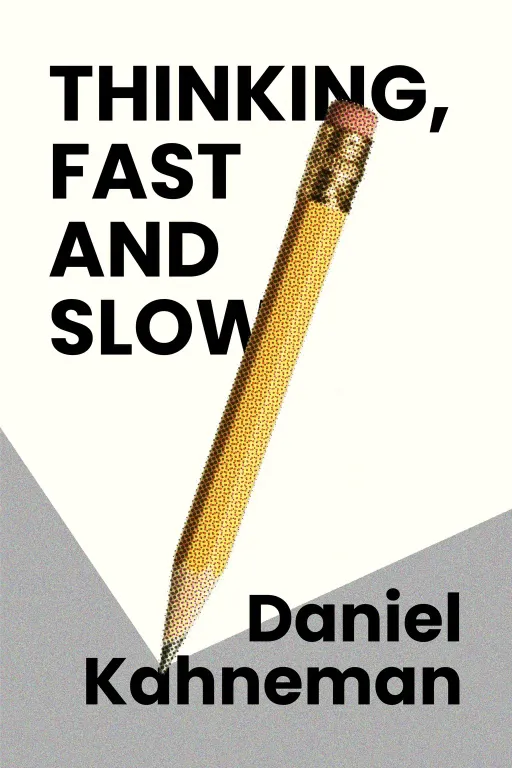
Nova: Well, it’s because our minds operate on two very different systems, a concept brilliantly laid out by Daniel Kahneman in his work. He talks about System 1, which is fast, intuitive, and emotional, and System 2, which is slow, deliberate, and logical. The problem is, in high-stakes advocacy, we often lean exclusively on System 2, expecting people to engage in deep, rational thought.
Atlas: And most of the time, they just… don't.
Nova: Exactly. Most initial reactions, most immediate judgments, are powered by System 1. Imagine a human rights lawyer, right? They've painstakingly gathered irrefutable evidence of abuse – documents, testimonies, forensic reports. They present it all with precision, expecting the sheer weight of truth to prevail before a jury.
Atlas: That’s the classic approach. Build an unassailable mountain of facts.
Nova: But what if the opposing counsel, lacking strong facts, crafts a compelling, emotional narrative? Perhaps they portray their client as a sympathetic underdog, or subtly trigger biases against the victims or the system itself. They might use vivid, emotionally charged language, even if it's light on verifiable facts.
Atlas: Wait, so are you saying truth can actively work against you if you only engage the 'slow' system? That’s kind of heartbreaking for someone who's spent countless hours meticulously building a fact-based case. Isn't it almost unethical to play to emotions when truth is on your side?
Nova: It’s not about being unethical, Atlas. It's about understanding the human operating system. Ignoring System 1 is like trying to run a cutting-edge app on an outdated operating system. The data is still there, the truth is still present, but the user can't process it effectively, or they dismiss it because their intuitive brain has already made a judgment. The paradox is, if you truly care about justice, you to understand how people actually make decisions, not just how you wish they would.
Atlas: So it's like trying to win a chess game by only moving your pawns, while your opponent is using all their pieces, including the emotional knights and bishops. You have all the logical firepower, but they're outmaneuvering you on a different board. How do you even begin to identify those emotional 'pieces' or deep-seated biases in an audience?
Harnessing Psychological Levers for Persuasion
SECTION
Nova: That leads us perfectly into our second core idea: harnessing those very psychological levers, ethically. Robert Cialdini’s seminal work, 'Influence,' gives us an incredible playbook. He outlines six universal principles of persuasion that often bypass pure logic and tap into deeper psychological triggers. These aren’t tricks; they’re fundamental aspects of human behavior.
Atlas: Okay, so give me an example. How does this work in practice?
Nova: Let's look at a couple of Cialdini’s principles. Take 'Social Proof.' It's the idea that people will do things that they see other people are doing. If everyone else is doing it, it must be the right thing, right? Or 'Authority' – people tend to obey authority figures, or at least highly credible experts. These aren't logical decisions; they're automatic responses.
Atlas: That makes sense. We’re wired to follow the herd or listen to the expert. But how do you apply that in, say, an advocacy context without just manufacturing consent?
Nova: Let's revisit our advocacy example, but this time with these principles in mind. Imagine an environmental advocate. Instead of just presenting scientific data about climate change – which is crucial, System 2 stuff – they also highlight that 90% of local businesses have already adopted green practices. That’s Social Proof.
Atlas: Oh, I see. So it’s not just "this is the right thing to do," it's "look, everyone is doing the right thing, and it’s working."
Nova: Exactly. And then, they feature a renowned, trusted community leader – someone who commands respect and has built credibility over decades – endorsing the initiative. That's Authority. Suddenly, the complex scientific data is reinforced by intuitive, powerful psychological signals. The cause, which is the environmental initiative, now has both the logical backing and the emotional buy-in. The process involves leveraging these inherent human tendencies, and the outcome is widespread adoption, even among those initially resistant to the scientific arguments alone.
Atlas: That’s a perfect example. So, instead of just saying 'this is the right thing to do,' you're essentially showing them 'everyone else is doing the right thing, and people you trust agree.' For an aspiring advocate, this sounds like a strategic reframe. But how do you prevent these powerful tools from crossing the line into manipulation? That’s where it gets tricky for someone driven by justice.
Nova: That's the 'Advocacy Paradox' in full effect, Atlas. The tools themselves are neutral. The ethical line is drawn by your intention and the truthfulness of your claims. The book's take is clear: you must speak not only to the rational mind but also to the intuitive, emotion-driven brain, leveraging established psychological levers. It’s about building a bridge of understanding and trust, not rigging the game. It’s about ensuring your truth is actually heard and acted upon.
Atlas: I’ve been thinking about this. So, if I'm preparing for a big presentation, or even just a difficult, high-stakes conversation where I need to advocate for a specific outcome, what's a tiny, immediate step I can take I even open my mouth to start applying this? Something concrete I can do today.
Synthesis & Takeaways
SECTION
Nova: That's exactly what our internal 'Tiny Step' suggests, Atlas. Before your next important discussion, take a moment. Identify one deeply held bias, one emotional driver, or even just one prevailing sentiment your audience might have. Then, tailor your opening remarks to acknowledge it, even subtly. It's about meeting them where they are, psychologically, before you try to lead them where you want them to go factually.
Atlas: Oh, I like that. It’s not about trying to change their bias head-on, or pretend it doesn't exist, but acknowledging it to create a path for your truth to be received. That's a profound shift in approach. It’s about impact, not just information. It’s not enough to be right; you have to be and understood at a deeper, human level.
Nova: Precisely. And for all our aspiring advocates and thorough scholars out there, this isn't just about winning a debate. It's about genuinely moving people towards understanding, towards action, towards justice. It’s about recognizing the full spectrum of human decision-making, from the lightning-fast gut reactions to the deliberate, reasoned thought, and then crafting your message to speak to both.
Atlas: It makes me think about how much more effective we could be, how much more justice could be served, if we understood this from the start. That’s actually really inspiring. So, next time you're gearing up for a crucial conversation, take that tiny step. Understand the emotional landscape first, acknowledge it, and then build your bridge of truth.
Nova: Fantastic advice, Atlas. Until next time, keep seeking those deeper truths and those smarter, more human ways to share them.
Nova: This is Aibrary. Congratulations on your growth!