

Stop Guessing, Start Connecting: Your Blueprint for Strategic Networking
Golden Hook & Introduction
SECTION
Atlas: Nova, I'll give you five words, you give me five words. "Stop Guessing, Start Connecting." Go.
Nova: Generosity, empathy, doors, value, future.
Atlas: Hmm. My five: daunting, necessary, genuine, skill, freedom.
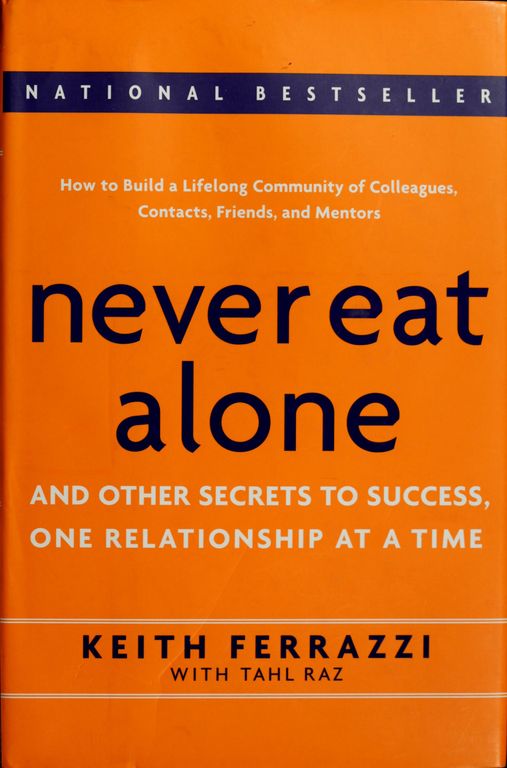
Nova: Freedom, I like that. Today we’re diving into a crucial topic, drawing heavily from the wisdom of Keith Ferrazzi’s "Never Eat Alone" and Dale Carnegie’s timeless "How to Win Friends and Influence People."
Atlas: Two absolute titans of connection.
Nova: Absolutely. And what’s fascinating about Ferrazzi, for instance, is that he didn't start with a silver spoon. He actually grew up in a steel mill town, the son of a steelworker and a cleaning lady. His entire career is a testament to the fact that building a powerful network isn't about inherited privilege; it's a learned, deliberate skill. He literally built his network from scratch.
Atlas: Wow. That’s actually really inspiring, because for a lot of people, myself included sometimes, the idea of 'networking' feels like a chore, a necessary evil, or something for extroverts. It can be incredibly daunting, especially if you're in a phase of transition.
Nova: That’s it exactly. And that feeling, that dread, is precisely what these insights aim to dismantle. The core idea is to transform networking from a transactional task into a genuine, powerful engine for personal and professional growth. We’re moving from the idea of 'checking off a box' to 'building a bridge.'
Strategic Generosity in Networking
SECTION
Nova: So, let’s kick off with Keith Ferrazzi’s philosophy, which is all about strategic generosity in networking. His entire premise in "Never Eat Alone" challenges the conventional, often self-serving view of networking. He says true networking is about generosity, not just self-interest.
Atlas: Okay, but isn't all networking, at its heart, a bit self-interested? I mean, you're looking for an opportunity, a job, a lead. How do you square that with pure generosity?
Nova: That’s a fantastic point, and it’s where the 'strategic' part comes in. It’s not about being a doormat; it's about shifting your mindset. Ferrazzi’s system is about cultivating long-term relationships by always adding value first, without immediate expectation of return. He meticulously tracked conversations, people’s interests, their challenges, and then he’d proactively find ways to help them.
Atlas: So you're saying he was like a human CRM system for relationships? That sounds… intense. How do you do that without it feeling manipulative or inauthentic?
Nova: It’s not about manipulation; it’s about genuine care combined with deliberate action. Think of it like this: Ferrazzi would meet someone, learn about their passion for, say, fly-fishing, and then a month later, he might send them an article about a new fly-fishing technique or connect them with someone else he knew who was an expert angler. He wasn't asking for anything; he was simply adding value, showing he remembered and cared.
Atlas: I can see how that would be powerful. It’s like, you’re not just a face in the crowd; you're someone who actually and on what they hear. That’s a great way to put it.
Nova: Exactly. He had a 'relationship action plan' for everyone. He wasn't just doing random acts of kindness; he was systematically looking for opportunities to make other people’s lives better or easier. He'd make introductions between two acquaintances who could genuinely benefit from meeting, or share an insight from a different industry that he knew would be relevant to someone's current project. It’s a 'pay it forward' mentality that compounds over time.
Atlas: That’s actually really inspiring. Because if you’re in a place where you're feeling a bit lost, or even unemployed, thinking about how you can others, instead of just what you need, can shift your entire perspective. It gives you agency.
Nova: It absolutely does. It transforms networking from a desperate plea into a powerful offering. And the resilience you build from that network, that web of mutual support, becomes your most powerful asset, especially in times of transition. It's an investment in your future self and your community.
The Bedrock of Human Connection
SECTION
Nova: And that naturally leads us to the second key idea we need to talk about, which often acts as the foundational layer for Ferrazzi’s strategic generosity: Dale Carnegie’s timeless principles from "How to Win Friends and Influence People."
Atlas: Ah, the classic. Everyone knows it, but I wonder how many people truly it beyond the surface level.
Nova: That’s the beauty of it. Carnegie's insights, despite being nearly a century old, are profoundly relevant today because they tap into fundamental human psychology. He talks about things like remembering names, being a good listener, and making others feel important. These aren't just polite gestures; they are powerful psychological tools.
Atlas: So you’re saying these seemingly simple acts are actually the bedrock of genuine human connection? Like, it’s not about grand gestures, but the small, consistent things?
Nova: Precisely. Take remembering names. Carnegie called a person’s name "the sweetest and most important sound in any language." He made it a point to remember names, even of thousands of students and acquaintances. He tells a story of a politician who won an election largely because he had an uncanny ability to recall the names of virtually everyone he met, making each person feel uniquely recognized and valued.
Atlas: I’ve been there! When someone remembers your name after only meeting you once, it instantly makes you feel seen. In a world where we’re constantly bombarded with information, and everyone’s attention is fragmented, that simple act makes an enormous difference.
Nova: It does, doesn't it? It instantly bridges a gap. And then there's being a good listener. Carnegie wasn't just talking about waiting for your turn to speak. He meant genuinely focusing on what the other person is saying, asking follow-up questions, and showing sincere interest. When you do that, people feel valued, understood, and—crucially—they trust you more.
Atlas: That makes me wonder, though, for someone who might be a bit introverted, or feels awkward initiating conversations, how do these principles help? It can feel forced to remember names or listen 'strategically' if it's not natural for you.
Nova: That’s a fantastic question, and it’s a common misconception that networking is only for extroverts. Carnegie’s principles are about genuine interest. It’s about cultivating curiosity about others. If you’re genuinely interested in someone, remembering their name or listening intently becomes less of a 'technique' and more of a natural extension of that interest. It’s a skill you can practice daily, even in small interactions, like with your barista or a cashier.
Atlas: Right, like, it’s not about pretending; it’s about finding the genuine interest. And I guess that's where the 'empathy and strategic kindness' Nova’s take mentions comes in. It’s the bridge between the two.
Synthesis & Takeaways
SECTION
Nova: Absolutely. Bringing Ferrazzi and Carnegie together, we see that strategic generosity, that systematic 'give first' approach, is amplified exponentially when you apply Carnegie’s principles of genuine human connection. It’s not enough to want to help; you have to know to connect on a human level to make that help truly impactful and authentic.
Atlas: So, it's about combining systematic effort with empathetic delivery. That’s a powerful combination. It’s not just about collecting contacts; it’s about cultivating a thriving ecosystem of mutual support.
Nova: Precisely. So, our tiny step for you this week is simple, yet profound: reach out to one person you admire. Offer help or share an insight, without asking for anything in return. Just one person.
Atlas: And that 'without asking for anything' part is crucial. It changes the entire dynamic. It’s not a transaction; it's an investment in a relationship.
Nova: Exactly. Because what we've learned from these masters of connection is that networking isn't a ladder to climb alone; it's a vibrant, resilient web of mutual support and shared growth. Building that web, especially during times of transition, is perhaps the most crucial investment you can make in your future self and your community. Your resilience is directly proportional to the strength and generosity of your connections.
Atlas: That’s a truly hopeful way to look at something that often feels like a burden. It transforms it into an opportunity for genuine human flourishing.
Nova: This is Aibrary. Congratulations on your growth!









