Mastering the Art of Connection: Social Dynamics Decoded
Golden Hook & Introduction
SECTION
Nova: You know, Atlas, I was thinking about how we navigate the world, and it struck me: what’s the one skill that, if mastered, literally changes every single interaction you have, from a first date to a boardroom showdown? What comes to mind for you?
Atlas: Oh, man, that’s a deep one right off the bat, Nova. I guess… genuine connection? Like, actually seeing and being seen, beyond the surface stuff. Because without that, everything else just feels like a transaction, right?
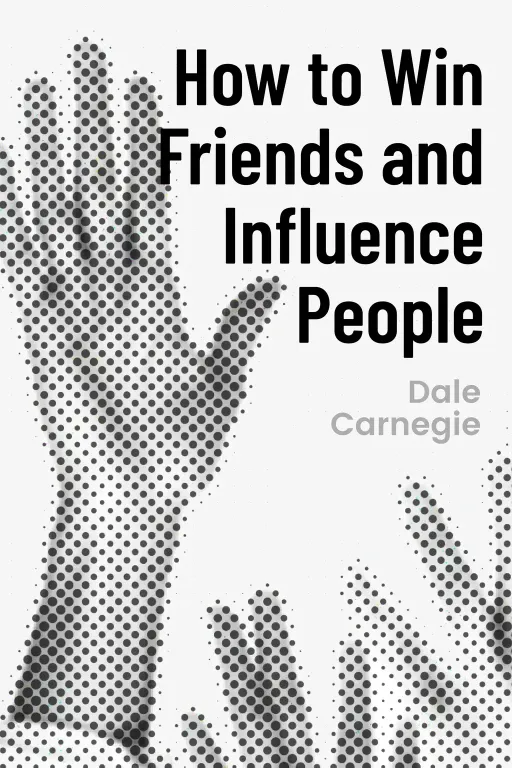
Nova: Exactly! It’s that invisible architecture of influence, the social landscape we’re constantly building and traversing. And it’s something so many people either ignore or try to manipulate. But today, we’re diving into a different philosophy. We’re exploring not one, but two seminal works that lay out the blueprint for truly mastering the art of connection: Dale Carnegie’s timeless classic,, and by Kerry Patterson, Joseph Grenny, Ron McMillan, and Al Switzler.
Atlas: Whoa, that’s a powerful pairing. Carnegie is practically legendary for his practical advice on human interaction. It’s interesting, though, how often it gets a bad rap, sometimes misunderstood as a guide to manipulation.
Nova: You’ve hit on something crucial there, Atlas. It's true, some misinterpret it, but Carnegie's intent was always about genuine engagement. This book, published way back in 1936, became one of the best-selling books of all time, not because it taught people to be fake, but because it distilled fundamental truths about human psychology. Carnegie himself was a fascinating character; he started out teaching public speaking to adults in New York, and his courses were so popular that he realized there was a huge hunger for practical advice on how to deal with people. He poured all that real-world experience into the book, and its enduring appeal really speaks to its core message.
Atlas: So, it’s less about pulling strings and more about understanding the stage and the players?
Nova: Precisely. And that naturally leads us to our first core topic: the foundational principles of effective communication and rapport-building, as illuminated by Carnegie.
The Architecture of Influence: Building Bridges, Not Walls
SECTION
Nova: Carnegie’s genius was in simplifying complex social dynamics into actionable principles. He wasn't suggesting grand gestures. He focused on the tiny, almost invisible shifts in our approach that make all the difference. Take, for example, the principle of remembering people's names. It sounds so basic, right?
Atlas: Oh, I know that feeling. When someone remembers your name after just one meeting, it just… it hits different. It makes you feel seen, doesn't it? But it's so hard to do consistently when you meet a lot of new people.
Nova: It absolutely does. Carnegie understood that a person's name is to that person the sweetest and most important sound in any language. He tells a story about Franklin D. Roosevelt, who, despite his immense responsibilities, made an effort to remember the names of countless people, from political figures to mechanics. He'd even remember details about their lives. This wasn't a trick; it was a genuine interest that fostered incredible loyalty and connection. Roosevelt didn't just meet people; he with them on a deeply personal level, making them feel significant.
Atlas: So, it’s not just about the memory trick, it’s about the underlying intent of making someone feel important. But wait, how do you cultivate that genuine interest when, let's be honest, sometimes you’re just in a rush or your mind is elsewhere? Is it something you can actually practice?
Nova: That’s a fantastic question, Atlas, and it gets to the heart of Carnegie’s method. He wasn't advocating for feigned interest. He believed that if you genuinely to find something interesting about another person, you often will. He pushes us to be "hearty in your approbation and lavish in your praise," but always sincerely. Think about it: most people are so preoccupied with themselves that when someone genuinely listens, asks questions about life, and remembers details, it's incredibly powerful. It’s about shifting your focus from "what can I get?" to "what can I learn or appreciate about this person?"
Atlas: That’s a subtle but profound reframing. It’s like, instead of trying to someone, you’re trying to them. And that, I imagine, naturally builds rapport. I imagine a lot of our listeners, especially those striving for self-mastery and genuine connection, would resonate with that shift.
Nova: Exactly. And this isn't just about being "nice." It's about recognizing that human beings are fundamentally driven by a desire to feel appreciated and important. When you fulfill that need for someone, you build a bridge, not a wall. It’s the architecture of influence built on mutual respect and understanding. Carnegie’s work, despite being decades old, still resonates because human nature hasn't fundamentally changed. It's why it continues to be widely acclaimed and has sold millions of copies globally, sparking countless conversations about interpersonal skills.
Navigating Crucial Conversations for Deeper Understanding
SECTION
Nova: Now, while Carnegie gives us the framework for building positive connections, what happens when those connections hit a snag? When the stakes are high, opinions vary, and emotions run strong? That’s where steps in, offering a roadmap for handling those make-or-break discussions with skill and grace.
Atlas: Oh, I know that feeling. Those conversations where your heart rate speeds up, and you can almost feel the tension in the room. Whether it's with a colleague, a family member, or a friend, it feels like walking a tightrope. It's so easy for them to go sideways, isn't it?
Nova: It’s incredibly easy for them to derail. The authors of found that most people either avoid these conversations entirely, or they handle them poorly, leading to damaged relationships and unresolved issues. They emphasize that the key isn’t to avoid conflict, but to transform it into an opportunity for deeper understanding. They introduce this brilliant concept of "starting with heart."
Atlas: Starting with heart? What does that mean, exactly, in the heat of a crucial moment?
Nova: It means before you even open your mouth, you need to clarify what you want from the conversation – for yourself, for the other person, and for the relationship. And then, you stick to that desired outcome, even when emotions flare. For example, if your goal is to maintain a respectful relationship while addressing a performance issue, you constantly ask yourself, "What would I do right now if I genuinely wanted this conversation to lead to a positive outcome and strengthen our relationship?"
Atlas: Wow. That’s a total game-changer. So often, in those moments, it feels like you're just reacting, or trying to "win." This sounds like it requires a massive amount of self-awareness and discipline.
Nova: It absolutely does. And that’s where the "healing moment" aspect comes in, as we see in our notes. Recognizing that every interaction is a chance to learn and grow, even if it doesn't go perfectly. The authors also introduce the concept of "making it safe" for dialogue. This means ensuring that both parties feel respected and that they trust your motives, even when discussing sensitive topics. If safety is broken, you have to repair it before you can continue the conversation.
Atlas: Repairing safety… like, if someone feels attacked, you have to pause and re-establish mutual respect before you can get back to the actual issue? That’s incredibly insightful. It’s almost like you’re saying the conversation about you're talking is sometimes more important than you’re talking about.
Nova: Exactly! It’s about creating an environment where people feel safe enough to share their full perspective, even if it’s uncomfortable. They might do this by apologizing, clarifying their intent, or finding a mutual purpose. The goal is to keep all information in the "pool of shared meaning." The more information in that pool, the better decisions you make, and the stronger your relationships become. This framework isn't about manipulation; it's about fostering mutual respect and shared understanding, which aligns perfectly with the overarching message of social mastery.
Atlas: So, it’s not about avoiding difficult topics, but equipping yourself with the tools to navigate them constructively. It's about turning potential conflicts into opportunities for growth, both individually and relationally. For our listeners who are aiming for self-mastery and genuine connection, these two books offer a potent combination. Carnegie helps you build the initial bridges, and helps you reinforce them, even under stress.
Synthesis & Takeaways
SECTION
Nova: Looking at these two powerful books together, it becomes clear that social mastery isn't about being the loudest voice or the most persuasive debater. It's about a deep understanding of human nature and a commitment to fostering mutual respect.
Atlas: Yeah, I'm reflecting on the "tiny step" we mentioned earlier: jotting down three questions to show genuine interest before an important conversation. That simple act, combined with the "start with heart" principle from, could fundamentally change the trajectory of so many interactions.
Nova: Absolutely. It’s about intentionality. It's about building your best self, not just for personal gain, but for genuine connection and impact. These books aren't just about "winning"; they're about building a richer, more meaningful life through better relationships. And the deep question, "How can you transform a potentially difficult conversation into an opportunity for deeper understanding and connection?" really brings it all home. It's a mindset shift.
Atlas: That’s such a hopeful way to look at it. It transforms every interaction, even the challenging ones, into a chance for growth. It’s about extending grace to yourself and others, even when things don't go perfectly. I think that's the real nugget of wisdom here.
Nova: It truly is. It's about recognizing that every moment is a chance to learn, to connect, and to evolve. And that, for anyone seeking to become unforgettable, is the ultimate blueprint.
Atlas: Incredible insights today, Nova. This has been a masterclass in building genuine connection.
Nova: My pleasure, Atlas. This is Aibrary. Congratulations on your growth!