

Beyond Logic: The Hidden Power of Emotional Intelligence in Influence
Golden Hook & Introduction
SECTION
Nova: Forget what they told you about having the highest IQ. The secret to real influence, to truly connecting with people, isn't just about being the smartest person in the room.
Atlas: Wait, are you saying my impressive trivia night wins aren't enough to sway hearts and minds to my brilliant opinions? Because that's kind of a core part of my personal brand.
Nova: Oh, Atlas, your trivia prowess is legendary, but when it comes to changing minds, inspiring action, or just having a genuinely impactful conversation, it turns out raw intellect is only part of the equation. We're talking about the silent superpower that drives connection: emotional intelligence.
Atlas: Okay, so we're moving beyond raw brainpower to something... squishier? Something that feels a bit less like a spreadsheet and more like... a feeling?
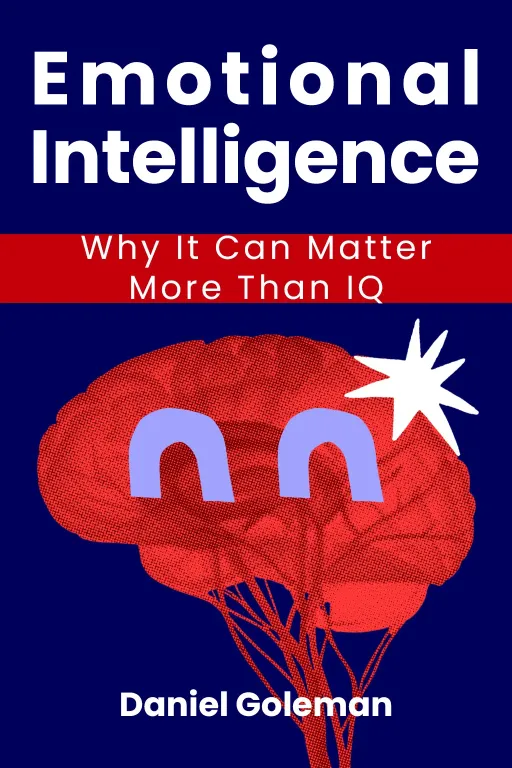
Nova: Precisely! Today, we're diving into this profoundly important concept, one that Daniel Goleman crystallized in his seminal book, "Emotional Intelligence." This book essentially launched the field into public consciousness, making us all realize just how critical our emotional landscape is. And then, we'll look at its practical, everyday application, as timelessly laid out by Dale Carnegie in "How to Win Friends and Influence People." When Carnegie's book first came out, its approach to human interaction was so revolutionary it became an instant bestseller and remains one of the most purchased self-help books of all time. It’s not just a collection of tips; it’s a masterclass in applied emotional intelligence.
Atlas: That's fascinating. So, Goleman for the "what it is," and Carnegie for the "how to do it"? My inner analyst is already trying to build a framework.
The Foundation: Defining Emotional Intelligence Beyond IQ
SECTION
Nova: Exactly. And let's start with Goleman. He defines emotional intelligence, or EQ, as a critical predictor of success, often even more so than traditional IQ. He breaks it down into five key components. Think of it like a personal operating system.
Atlas: Five components? Lay them on me. I'm ready to upgrade my OS.
Nova: First, there's self-awareness. It's knowing your emotions, strengths, weaknesses, values, and goals, and recognizing their impact on others. It's like having a car dashboard for your inner world. If the oil light comes on, you know something's up.
Atlas: That makes sense. But how many of us actually look at that dashboard? I feel like I'm usually driving at 80 miles an hour, hoping no lights come on.
Nova: That's where the next component comes in: self-regulation. It's managing your internal states, impulses, and resources. So, if that "oil light" of anger or frustration flashes, self-regulation is the ability to not immediately slam on the brakes or speed off the road. It's pausing before reacting.
Atlas: Okay, but what does "self-regulation" actually like in a high-pressure meeting? When someone just completely dismisses your meticulously prepared analysis? My natural inclination is to launch into a full-scale counter-argument.
Nova: A classic scenario! Instead of immediately debating or getting defensive, self-regulation might look like taking a breath, acknowledging the feeling of frustration, and then strategically choosing your response. Maybe you ask a clarifying question, or you table the discussion for a calmer moment. It's about conscious choice, not just raw reaction.
Atlas: That sounds rough, but also incredibly powerful. What's next?
Nova: Motivation. It’s not just wanting stuff, as you playfully put it earlier, but rather a passion to work for reasons that go beyond money or status. It's an inner drive, optimism, and resilience, even in the face of setbacks. Think of a scientist who spends years on a project, fueled by curiosity, not just the promise of a big grant.
Atlas: Ah, so it’s the fuel tank, but it’s running on a higher-octane, purpose-driven blend. I can definitely relate to that. What about the other two?
Nova: Then we have empathy. This is the ability to understand the emotional makeup of other people. It's putting yourself in their shoes, seeing the world from their perspective, even if you don't agree with it. It's crucial for building rapport and connection.
Atlas: But isn't "being empathetic" just being nice? Or worse, letting people walk all over you? I imagine a lot of our listeners in competitive environments might feel that way.
Nova: That's a common misconception. True empathy isn't about condoning behavior or sacrificing your own needs. It's about the underlying emotion. If a colleague is being difficult, empathy helps you recognize their stress or insecurity, which then informs how you strategically communicate with them, rather than just reacting to their aggression. It's a strategic tool, not a weakness.
Atlas: That's a great way to put it. It’s about gaining information to make a better decision.
Nova: Exactly. And the fifth component, social skills. This is proficiency in managing relationships and building networks. It’s the culmination of all the others—your ability to use your self-awareness, self-regulation, motivation, and empathy to navigate social complexities, resolve conflict, and lead change.
Atlas: So, if I understand my own dashboard, regulate my driving, have a clear destination, and can read other drivers, I'm basically a Formula 1 emotional intelligence driver?
Nova: You're getting there! The core idea here, from Nova's Take, is that integrating this emotional intelligence into your communication strategy unlocks deeper understanding and more impactful interactions, moving beyond mere persuasion. It's the difference between just presenting data and truly connecting with your audience.
The Application: Mastering Influence Through Empathy and Connection
SECTION
Atlas: That's incredible. So, we've got the foundational theory from Goleman. That's the "what." But how do we actually this? How do we take these five components and turn them into something tangible that impacts our ability to influence?
Nova: And that naturally leads us to the practical playbook: Dale Carnegie's timeless advice, which is essentially applied emotional intelligence in action. Carnegie's principles, while seemingly simple, are profound because they directly tap into those emotional intelligence components. He emphasizes empathy, active listening, and making others feel important, all cornerstones of applied emotional intelligence in social settings.
Atlas: Okay, so give me an example. "Make others feel important." Isn't that just flattery?
Nova: It's a common trap to mistake it for flattery. Carnegie's genius is that he insists on appreciation. It’s not about complimenting someone on something you don't genuinely admire. It’s about using your empathy—your ability to see from their perspective—to find something truly admirable or valuable in them and acknowledge it. Think of a manager who genuinely thanks an employee for a late night, not just for the work done, but for the dedication and sacrifice. That's making them feel important, not just an interchangeable cog.
Atlas: So, it's about authentic recognition. That makes a lot more sense. What about active listening? I mean, I listen. I hear words. What's the "active" part?
Nova: The "active" part is listening to understand, not just to reply. It's engaging your empathy to try and grasp not just the words someone is saying, but the feelings, motivations, and unspoken needs behind those words. Imagine a friend telling you about a problem. Passive listening hears the problem and starts formulating advice. Active listening hears the problem, hears the frustration in their voice, sees the slumped shoulders, and asks, "How does that make you feel?" or "What's the hardest part about this for you?" It's a profound shift in focus.
Atlas: Oh, I've been there, on both sides of that conversation. It's like the difference between hearing a song and really the music.
Nova: Exactly! Carnegie’s principles, like showing genuine interest in other people, smiling, remembering names, encouraging others to talk about themselves—these aren't superficial tricks. They are direct manifestations of empathy and social skills. They create an environment where people feel seen, heard, and valued. And when people feel that, they are far more open to your ideas, your influence, and building a genuine connection.
Atlas: But what if you're in a situation where you need to deliver tough feedback, or negotiate a difficult deal? Can you still apply these principles without seeming soft or compromising your position?
Nova: That's where the deeper understanding comes in. Nova's Take is that this isn't about being universally agreeable; it's about being strategically empathetic. When delivering tough feedback, emotional intelligence guides you to understand the other person's potential reaction, to phrase your feedback with respect for their feelings, and to focus on the impact, not just the fault. You're influencing by building a partnership for improvement, not by dictating. It's the difference between a boss who says, "You messed up," and a leader who says, "I see the challenge here, and we need to find a way to improve this together."
Atlas: So, it's about building bridges, not just winning arguments. It sounds like true influence isn't about overpowering someone with logic, but about creating a shared understanding and connection.
Nova: Precisely. It’s recognizing that humans are emotional creatures, and our decisions, even those we rationalize as purely logical, are deeply colored by our feelings. Ignoring that is like trying to drive a car without understanding how the engine works.
Synthesis & Takeaways
SECTION
Atlas: This has been incredibly insightful. So, if I'm taking this all in, it seems like the cold fact is, our best ideas can fall flat if we don't understand the emotional landscape. And the tactical insight is that Goleman gives us the map, and Carnegie gives us the compass for navigating it.
Nova: You've got it perfectly, Atlas. Emotional intelligence isn't a soft skill on the periphery of success; it's the hard truth of human interaction. It's the difference between being heard and being truly understood, between persuading and genuinely influencing. It’s what allows us to foster real connection and make a lasting, positive impact.
Atlas: For our listeners who are feeling this, who want to move beyond just being smart to being truly impactful, what's one immediate, tiny step they can take to start flexing this emotional intelligence muscle?
Nova: For your next interaction, try this: consciously focus on listening to understand, not just to reply. And as you listen, actively notice the emotions being expressed—not just the words. Are they frustrated? Excited? Apprehensive? Just that small shift, that conscious effort to perceive the emotional undercurrent, can profoundly change how you respond and how deeply you connect.
Atlas: That's such a simple yet powerful practice. It shifts the entire dynamic of a conversation. I imagine that alone could unlock so much potential for deeper understanding and more impactful interactions.
Nova: It really does. It's the foundation for all meaningful influence.
Atlas: Absolutely. Truly profound stuff.
Nova: This is Aibrary. Congratulations on your growth!









