The Enduring Power of Ideas: Why Ancient History Still Shapes Your Future
9 minGolden Hook & Introduction
SECTION
Nova: Most people think history is about what. Dust-covered books, forgotten kings, dates to memorize for a test you barely passed. But what if it's actually about what? What if looking backward is the most radical way to see around corners and build a future that hasn't been imagined yet?
Atlas: Oh man, that's a bold claim, Nova. Are you saying my morning coffee routine is secretly dictated by a prehistoric caveman? I’m intrigued. How does yesterday's news become tomorrow's blueprint, especially for those of us trying to build something new, something disruptive?
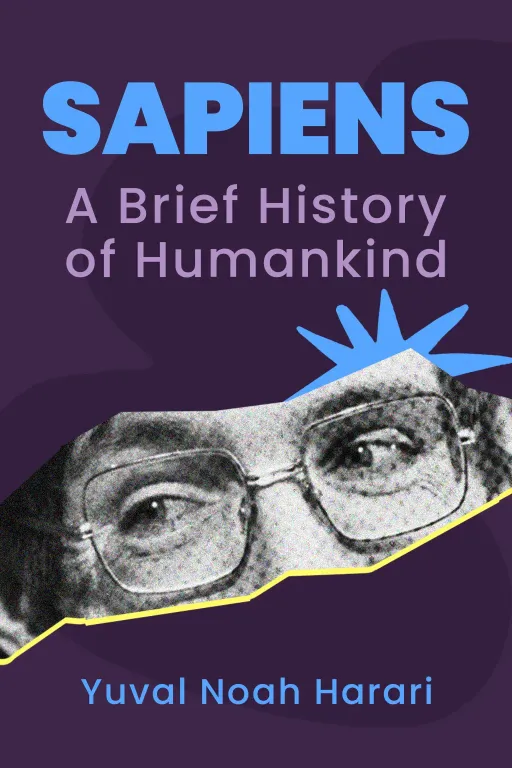
Nova: Exactly, Atlas! We often talk about innovation as purely forward-looking, but the deepest disruptive insights often come from understanding the fundamental forces that have shaped humanity for millennia. Today, we're diving into "The Enduring Power of Ideas: Why Ancient History Still Shapes Your Future," and we're cracking open two absolutely paradigm-shifting books: Yuval Noah Harari's "Sapiens" and Jared Diamond's "Guns, Germs, and Steel." These aren't just history books; they're manifestos for understanding why the world is the way it is, and crucially, how it be.
Atlas: Right, I remember when "Sapiens" first hit. It felt like everyone was talking about it, from Silicon Valley founders to philosophers. These books were widely acclaimed for a reason, they don't just tell you what happened; they fundamentally reframe it happened, which is a game-changer for anyone trying to predict or influence future trends.
Nova: Absolutely. And that brings us to our first deep dive: the invisible architecture of our world, built not from bricks and mortar, but from… stories.
The Power of Shared Fictions (Sapiens)
SECTION
Nova: Harari, in "Sapiens," makes a truly mind-bending argument. He suggests that what truly set apart wasn't just our bigger brains or our ability to hunt, but our unique capacity for what he calls "fictions" or "shared myths." These are things that exist purely in our collective imagination, yet they allow millions of unrelated individuals to cooperate flexibly.
Atlas: So you're saying my business plan, my company's mission statement, even the currency in my wallet, are all just really well-told stories? That sounds a bit out there. I mean, money is pretty tangible when I pay my bills!
Nova: Ah, but is it? Think about it, Atlas. A dollar bill is just a piece of paper. Its value isn't inherent; it's a shared belief, a collective agreement that this paper represents something. Without that shared fiction, it's worthless. The same goes for corporations. A company like Apple, for instance, isn't a physical entity you can touch. It's a legal fiction, a network of shared beliefs about its brand, its existence, its purpose, held by millions of people.
Atlas: Whoa. That gives me chills, actually. We operate every day within these invisible constructs, and we rarely question their fundamental reality. It's like the matrix, but instead of code, it's collective imagination.
Nova: Exactly! Harari argues that this ability to believe in shared fictions—gods, nations, laws, human rights, corporations, money—is what allowed us to organize into complex societies, create trade networks, and ultimately dominate the planet. No other animal can cooperate on such a massive scale with strangers based purely on an imagined order.
Atlas: I can see how that's powerful. But for someone like our listeners, who are architects of new systems, disruptors in their fields, how do we new fictions that actually work? Or, conversely, how do we dismantle the old, limiting ones? Because if our current systems are just stories, then we should be able to rewrite them.
Nova: Precisely. Understanding this mechanism is a superpower. If you're building a startup, you're essentially creating a new shared fiction: a brand, a vision, a culture that people will buy into and cooperate within. If you're disrupting an industry, you're challenging an old fiction and proposing a new, more compelling narrative. The challenge for a disruptor isn't just technology; it's about shifting collective belief. It’s about creating a story so compelling that people choose to believe it and act within its framework.
Atlas: That’s a great way to put it. It’s not just about what you offer, but the story you tell about it, the collective imagination you ignite. But wait, if all these shared fictions are so powerful, aren't some fictions better than others? How do we avoid building destructive ones, or falling victim to narratives that don't serve humanity?
Nova: That's the deep ethical question, isn't it? It's about designing fictions that promote well-being, sustainability, and cooperation, rather than division or exploitation. It’s about being intentional architects of our collective reality.
Geography as Destiny (Guns, Germs, and Steel)
SECTION
Nova: While "Sapiens" explores the power of the mind, Jared Diamond, in "Guns, Germs, and Steel," pulls us back to the physical world, arguing that geography and environment were the ultimate arbiters of civilization's success. He challenges the idea that some cultures were inherently superior. Instead, he points to environmental "accidents" as the primary drivers.
Atlas: Oh, I like that. It's almost a counterpoint. We have the internal, shared fictions, and then the external, unyielding reality of the planet. So, are we talking about things like natural resources, climate, or proximity to water?
Nova: Exactly. Diamond argues that Eurasia, for example, had a massive head start due to its unique geographical advantages. Think about the East-West axis: a vast landmass at roughly the same latitude, meaning similar climates. This allowed for the rapid spread of domesticated plants and animals – crops like wheat and barley, animals like cows and sheep – across thousands of miles without significant climatic barriers.
Atlas: I see. So, if you're stuck on a North-South axis, like the Americas or Africa, the climate changes drastically as you move along, making it much harder for crops or animals to adapt and spread. That sounds like a fundamental disadvantage from the get-go.
Nova: It was. This head start in agriculture led to population density, which fueled the development of specialized labor, writing, organized states, and crucially, immunity to diseases that emerged from living in close proximity to domesticated animals. When Europeans eventually encountered populations in the Americas, they brought not just guns and steel, but germs—diseases to which local populations had no immunity, leading to catastrophic depopulation.
Atlas: That's actually kind of heartbreaking. So, geographical luck from thousands of years ago still dictates who wins in the global economy today? That sounds a bit deterministic, doesn't it? For someone trying to build a sustainable global business, how does understanding ancient agricultural axes help them today? It almost feels like our fate was sealed before we even started.
Nova: It’s not about fatalism, Atlas. It's about understanding the deep currents. If you're an architect focused on sustainable growth, knowing these historical disparities helps you understand why certain regions face systemic challenges that aren't about a lack of effort or intelligence. It informs strategies for equitable development, resource management, and even anticipating the impact of climate change on existing geopolitical structures. It's about recognizing that the playing field was never level, and that understanding those original "rules" helps us design fairer, more resilient systems for the future.
Atlas: That makes sense. It’s not an excuse for inaction, but a framework for smarter action. It's about strategic foresight, understanding the underlying drivers of change rather than just reacting to symptoms. You can't change the past, but you can understand its echoes and build differently for the future.
Synthesis & Takeaways
SECTION
Nova: Precisely. When you bring these two powerful insights together—the invisible power of shared fictions and the undeniable influence of environmental reality—you get a much richer, more profound understanding of history. It's not just a collection of dates; it's a dynamic interplay of human imagination and geographical circumstance, constantly shaping our present and our future.
Atlas: So, for our disruptors, our architects, our well-being advocates, the real takeaway is that history isn't just about knowing what happened, but it happened, and how those ancient forces are still at play. It’s about leveraging those insights to build better narratives and more resilient systems.
Nova: Absolutely. It's about gaining agency. When you understand the deep patterns, you're not just reacting to the world; you're actively participating in its construction. And that brings us to the deep question we started with: What ancient belief or historical accident still impacts your daily life or industry today? Take a moment to really think about that, because the answer might just unlock a new path forward for you.
Atlas: That’s a powerful question to sit with. It’s about connecting the dots from millennia ago to your Monday morning meeting. For me, it makes me think about the narratives we've inherited about progress and growth, and how they might be limiting our ability to imagine truly sustainable futures.
Nova: And that's exactly the kind of critical thinking and self-reflection these powerful ideas inspire. By understanding the enduring power of ideas and geography, you're not just learning history; you're equipping yourself with a profound lens to navigate and shape the future, leading with strength and vision.
Atlas: This is Aibrary. Congratulations on your growth!