

Resilience and Mindfulness in a Fast-Paced World
Golden Hook & Introduction
SECTION
Nova: I was today years old when I realized that the secret ingredient to success might not be what you're born with, but what you within yourself. It’s a complete game-changer when you think about it.
Atlas: Oh, I like that. So, we're talking less about the lottery ticket of genetics and more about the daily workout for your brain? That feels incredibly empowering for anyone who's ever doubted their natural abilities.
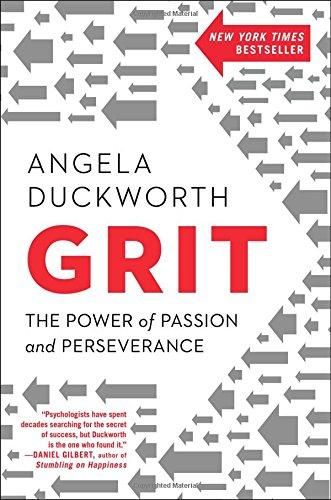
Nova: Exactly! And that’s precisely what we’re dissecting today, drawing powerful insights from two groundbreaking books: by Angela Duckworth, and by Carol S. Dweck. What’s fascinating is that Angela Duckworth, a former teacher, became a renowned psychologist and MacArthur 'genius' grant recipient precisely by questioning conventional wisdom about talent. She saw firsthand that her most successful students weren’t always the 'smartest,' but the most tenacious.
Atlas: That’s a powerful origin story. It challenges the whole 'natural talent' narrative we often hear, especially in high-stakes fields. But what does that mean for someone trying to navigate a world that often feels like it's designed to trip you up?
The Power of Passion and Perseverance (Grit & Mindset)
SECTION
Nova: It means we need to look beyond the surface. Duckworth’s core argument in is that sustained interest and effort toward very long-term goals are better predictors of success than talent. Think of it like a marathon, not a sprint. It’s about showing up consistently, even when the finish line feels impossibly far away.
Atlas: So, it's not just about wanting something badly, but about the consistent, perhaps even boring, grind? That’s going to resonate with anyone who’s started a big project only to hit a wall of tedium. But how does this 'grit' actually develop? Is it something you either have or you don't?
Nova: That’s where Carol Dweck’s comes in, and it's brilliant. She introduces the concept of fixed versus growth mindsets. A fixed mindset believes our abilities are static – you’re either smart or you’re not. A growth mindset, however, believes abilities can be developed through dedication and hard work.
Atlas: Oh, I see. So, if I believe my intelligence is a fixed trait, then failure is devastating because it exposes a fundamental flaw. But if I believe it's something I can grow, failure becomes a feedback mechanism. That makes a lot of sense. It sounds like a growth mindset is the fertile ground where grit can really take root.
Nova: Precisely! They’re two sides of the same coin. Duckworth talks about ‘deliberate practice’ – not just practicing, but practicing with intense focus on improving your weaknesses. And that’s incredibly hard to do if you have a fixed mindset, because it means confronting your imperfections. But with a growth mindset, those imperfections become opportunities.
Atlas: That’s actually really inspiring. I imagine a lot of our listeners, especially those in fast-evolving industries, feel constant pressure to be 'naturally brilliant.' But this suggests that persistent learning and adapting are far more crucial. So, how does someone actually shift from a fixed to a growth mindset? Is it just a matter of deciding to believe differently?
Nova: It's more than just deciding, but it starts with awareness. Dweck's research shows that even just understanding these two mindsets can begin to shift how you interpret challenges. For example, instead of saying "I'm bad at math," a growth mindset asks, "What strategies can I learn to improve my math skills?" It reframes effort from a sign of inadequacy to a pathway to mastery.
Atlas: So basically you’re saying it’s about changing the internal monologue, the story we tell ourselves about our capabilities. And that internal story directly influences our capacity for grit. That’s powerful. It suggests that our biggest limitation isn't our talent, but often our own self-talk.
Nova: Exactly. And the beauty of this framework is that it’s not about ignoring challenges or pretending everything is easy. It’s about embracing them as essential parts of the growth process. It’s the belief that your capacities are not predetermined, but expandable.
Finding Calm Amidst the Chaos (Mindfulness)
SECTION
Atlas: That makes me wonder, though, in a world that's constantly demanding more, how do you even find the mental space to cultivate this growth mindset and grit? It feels like we're constantly bombarded, always on, always reacting. Where does calm fit into this equation?
Nova: That’s a brilliant segue, because it brings us to our next crucial insight, from Jon Kabat-Zinn’s. Kabat-Zinn is essentially the godfather of bringing mindfulness into mainstream Western medicine. He founded the Stress Reduction Clinic at the University of Massachusetts Medical School, and his work has been instrumental in demonstrating the tangible, measurable benefits of mindfulness.
Atlas: Oh, I know that feeling of being constantly bombarded. It’s like trying to think strategically when your brain is just a browser with 200 tabs open. So, Kabat-Zinn offers a practical path to integrate mindfulness. What exactly does that look like? Is it all about sitting cross-legged and chanting?
Nova: Not at all! While formal meditation is part of it, Kabat-Zinn emphasizes that mindfulness is about cultivating present-moment awareness in. It’s about paying attention, on purpose, to the present moment, non-judgmentally. It’s about truly experiencing your breath, the taste of your coffee, the sound of traffic, rather than letting your mind constantly race to the past or future.
Atlas: So you’re saying it’s less about escaping the chaos and more about learning to observe it without getting swept away? That sounds incredibly difficult to do, especially for people in high-pressure roles where quick reactions are often prized.
Nova: It is difficult initially, but it’s a skill, a muscle you strengthen. Think of it like this: your mind is a river, and your thoughts and emotions are the debris floating by. Without mindfulness, you jump into the river and get carried away by every piece of debris. With mindfulness, you learn to stand on the bank, observe the river, and choose whether or not to engage with what’s floating by.
Atlas: That’s a great analogy. It’s like creating a mental buffer. I can see how that would enhance strategic thinking – if you’re not constantly reacting, you have more space to think proactively. But how does this connect back to grit and mindset?
Nova: It’s the missing link for sustainable grit. Imagine trying to push through challenges with a growth mindset if your mind is constantly overwhelmed by stress and distraction. Mindfulness provides the calm, the clarity, and the self-awareness to actually apply grit effectively. It reduces the internal noise that often fuels a fixed mindset, allowing you to see challenges as opportunities, not threats.
Atlas: Wow, that’s a powerful connection. So, mindfulness isn't just about feeling good; it's a foundational skill for intellectual resilience and sustained effort. It gives you the mental bandwidth to engage with those tough problems that grit demands you tackle.
Nova: Exactly. It's about being fully present, even in the busiest moments, which allows you to maintain focus and manage stress. This enhances both your strategic thinking and your overall well-being. It’s a practical path to integrating clarity and calm, which are essential for long-term perseverance.
Application: Daily Resilience Practice
SECTION
Atlas: Okay, so we’ve got grit, growth mindset, and mindfulness. These are fantastic concepts, but how do we actually this? What’s the tiny step, the practical application, for someone who wants to start building this kind of resilience?
Nova: That’s the million-dollar question, and the good news is it's incredibly simple. Our recommended daily resilience practice is this: Dedicate just 5-10 minutes each morning to a mindfulness exercise, focusing purely on your breath.
Atlas: Just 5-10 minutes? That sounds almost too easy. What happens after that?
Nova: After those few minutes of grounding yourself, the second part of the practice kicks in: identify one challenging task for the day. And here’s the key – approach it with a 'growth mindset,' viewing it not as a burden, but as an opportunity to learn and develop your 'grit.'
Atlas: Oh, I like that. So, it's not just about the meditation itself, but how that meditation then primes you to tackle the day's challenges. It’s a deliberate shift in perspective for a specific task. That's a truly actionable insight for a lot of our listeners who are constantly facing demanding deadlines.
Nova: Right? It’s not about solving all your problems in one go. It’s about building a consistent habit that reinforces these principles. The mindfulness helps you create the space, the calm, to even the challenge clearly. And then the growth mindset helps you with that challenge constructively, rather than defensively.
Atlas: So, if I'm struggling with a particularly complex report or a difficult conversation, instead of dreading it, I approach it with the idea that this is practice – practice for my analytical skills, practice for my communication, practice for my patience. It's like turning a potential failure into a guaranteed learning experience.
Nova: Precisely! And with consistent practice, what you find is that these challenging tasks, which once felt overwhelming, start to become less daunting. You build a track record of successfully navigating difficulties, which in turn reinforces your growth mindset and your belief in your own grit. It's a virtuous cycle.
Atlas: That’s actually really inspiring. It’s a small, consistent act that compounds over time. It makes resilience feel less like an innate superpower and more like a skill that anyone can cultivate, one breath and one challenging task at a time. This feels incredibly relevant for anyone trying to build sustainable solutions and make a meaningful contribution, especially when the world throws curveballs.
Synthesis & Takeaways
SECTION
Nova: This whole conversation really crystallizes the idea that our internal landscape—our mindset, our emotional regulation, our capacity for sustained effort—is as crucial, if not more crucial, than any external circumstance when it comes to thriving in a fast-paced world. It’s about mastering the inner game.
Atlas: That’s a profound way to put it. It’s not just about surviving; it’s about truly growing and evolving through the challenges. The combined wisdom of Duckworth, Dweck, and Kabat-Zinn isn't just self-help; it’s a strategic framework for living a more effective and fulfilled life. It truly underlines the idea that our approach to challenges and setbacks fundamentally shapes our ability to persevere and succeed.
Nova: Absolutely. And the biggest takeaway here is that these aren't abstract academic theories. They're practical, evidence-based tools that, when consistently applied, can transform your relationship with work, stress, and your own potential. It’s about making a deliberate choice to cultivate your inner resources.
Atlas: So, for everyone listening, try that 5-10 minute mindfulness practice tomorrow morning. Then, pick one challenging task and approach it with curiosity, not dread. View it as an opportunity to learn and grow. We’d love to hear how it shifts your day. Share your experience with us on social media!
Nova: This is Aibrary. Congratulations on your growth!