

Unlock Your English Confidence: How to Build Grammar Without Fear
Golden Hook & Introduction
SECTION
Nova: What if I told you that every single time you stumble over an English grammar rule, you're actually doing something right?
Atlas: Oh, I like that! That’s a bold claim, especially for anyone who’s ever felt that cold dread just looking at a conjunction.
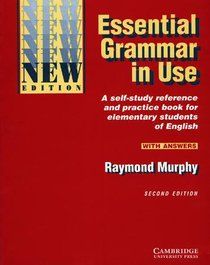
Nova: Exactly! Today, we're unlocking English confidence by diving into two absolute titans: 'English Grammar in Use' by Raymond Murphy and 'Grammar Girl's Quick and Dirty Tips for Better Writing' by Mignon Fogarty. Murphy's book, often affectionately called the 'blue Bible' by learners worldwide, has sold tens of millions of copies, proving its enduring power. And Mignon Fogarty literally started 'Grammar Girl' as a podcast before it became a publishing phenomenon, changing how millions approached writing.
Atlas: Wow, so we're talking about the classics and the innovators here. That's a powerful duo for tackling something as notoriously tricky as English grammar. So, what's the big secret they're both whispering to us?
Nova: The core of our podcast today is really an exploration of how we can transform our relationship with English grammar, moving from a place of fear and confusion to one of confident, clear, and empathetic communication. Today we'll dive deep into this from two perspectives. First, we'll explore how reframing our understanding of grammar can dissolve fear, then we'll discuss the incredible power of small, consistent practice to build lasting confidence.
Reframing Grammar: From Fearful Rules to Understandable Patterns
SECTION
Nova: Let's start with that fear, Atlas. The feeling of frustration, the hesitation when you're trying to speak or write. It's perfectly normal, like trying to navigate a new city without a map.
Atlas: Oh, I know that feeling. It's like you hit a wall every time you try to formulate a sentence, wondering if you're going to mess up the tenses or put the adverb in the wrong place. For someone trying to communicate clearly in a professional setting, that hesitation can be a real barrier.
Nova: Absolutely. And that's where Murphy's 'English Grammar in Use' comes in. It doesn't just throw rules at you. It presents grammar not as rigid commandments, but as a series of interconnected patterns. Think of it like a jigsaw puzzle. Each piece has a specific shape, but it only makes sense when you see how it connects to others.
Atlas: So you’re saying it's less about memorizing every single irregular verb and more about understanding the underlying logic? Like seeing the "why" behind the "what"?
Nova: Exactly! Imagine you're learning to play chess. You don't just memorize every possible move. You learn how the pieces interact, the strategies, the common openings and defenses. Grammar is similar. Once you see the patterns – how subjects and verbs agree, how prepositions indicate relationships, how clauses build upon each other – the overwhelming feeling starts to recede.
Atlas: That makes a lot of sense. It’s like, instead of trying to perfectly execute every single step in a complex medical procedure, you understand the body's systems, and the procedure flows naturally from that understanding. So, the goal isn't flawless execution, but a deeper comprehension.
Nova: Precisely. And that shift in perspective is monumental. It validates the learning process, showing that every small step, every time you recognize a pattern, you're building monumental confidence. It's about clarity, not perfection. Mignon Fogarty, Grammar Girl herself, emphasizes this. She says everyone struggles, and the goal is clear communication, not some unattainable ideal of grammatical flawlessness.
Atlas: That’s actually really inspiring. Because if you’re constantly chasing perfection, you’re always going to feel like you’re falling short. But striving for clarity? That feels achievable, and empowering, especially when you're trying to convey important information. This shift in perspective is a game-changer.
The Power of Small, Consistent Practice: Building Confidence Incrementally
SECTION
Nova: And that naturally leads us to the second key idea we need to talk about, which often acts as a counterpoint to the pursuit of perfection: the incredible power of small, consistent practice.
Atlas: Okay, so we've reframed grammar from a monster to a puzzle. Now, how do we actually solve the puzzle without getting overwhelmed again? Because "practice daily" sounds great, but where do you even start when everything feels like a challenge?
Nova: That’s a fantastic question, and it's where the idea of 'healing moments' comes in. The book suggests a simple, yet profound exercise: Choose one grammar rule you find confusing. Just one. And spend 10 minutes playing with it. Not studying it, not drilling it, but playing. Write different sentences, try to break it, try to make it work in a silly way.
Atlas: Playing with grammar? That sounds a bit counterintuitive. Most of us were taught to fear making mistakes, not experiment with them. How does that help build confidence?
Nova: Think of it like this: if you're trying to master a new skill, say, active listening for patient care, you don't just read a book about it. You practice in small interactions, you try different phrasing, you observe reactions. The 10 minutes of 'play' with grammar is exactly that. It's active engagement. It's low-stakes experimentation.
Atlas: So it’s like a mini-laboratory for language. Instead of feeling judged, you're just exploring. And celebrating those small victories... I can see how that would shift your mindset. It’s not about getting it wrong, it’s about discovering how it works.
Nova: Precisely. Murphy's exercises in 'English Grammar in Use' are designed for this incremental approach. They're not punitive; they're exploratory. And Grammar Girl's tips are all about breaking down those common pitfalls into digestible, manageable chunks. The consistent, small efforts, even just 10 minutes, build neural pathways, solidify understanding, and chip away at that fear.
Atlas: That gives me chills, actually. Because in the medical field, we know that small, consistent actions – like taking medication regularly or doing rehabilitation exercises – are what lead to significant, lasting healing. It’s the same principle applied to language.
Nova: And it directly connects to your growth recommendations: practice daily, speak out loud, read simple English texts. Those aren't overwhelming tasks. They're small, consistent actions that validate the learning process and show that you're building a foundation for all your goals, whether it's medical terminology or enhancing patient communication.
Synthesis & Takeaways
SECTION
Nova: So, Atlas, what's our ultimate takeaway here for anyone still grappling with English grammar, especially those ambitious learners like our aspiring healers?
Atlas: I think the biggest insight is that grammar isn't a gatekeeper; it's a bridge. It's not about being perfect, it's about being clear and effective. And the path to confidence isn't some grand, scary leap, but a series of small, playful, even joyful steps. Just 10 minutes of playing with a confusing rule can unlock so much.
Nova: Absolutely. It’s about cultivating courage, embracing every mistake as a lesson, and understanding that your current English level is a stepping stone. The goal is to make your communication as empathetic and effective as your desire to help others.
Atlas: That’s such a hopeful way to look at it. It transforms a perceived weakness into an ongoing journey of growth and discovery. For anyone out there who's hesitated to speak up or write that important email because of grammar fear, try Nova's Take: pick one rule, play with it for ten minutes, and celebrate that small victory.
Nova: That's it. It’s a powerful, tangible action. And we'd love to hear about your grammar healing moments. What rule did you play with? What did you discover? Share your experiences with us.
Atlas: We believe your journey with language is just as important as your journey in life. Keep learning, keep growing.
Nova: This is Aibrary. Congratulations on your growth!