The 'Networking' Trap: Why You Need Authentic Connection, Not Just Contacts
Golden Hook & Introduction
SECTION
Nova: Atlas, what's the first thing that comes to mind when I say, "networking event"?
Atlas: Oh, Nova. The faint smell of desperation, lukewarm coffee, and the awkward dance of exchanging business cards with people you'll never speak to again. It's like speed dating for professionals, but with less actual connection.
Nova: You've painted a vivid, and frankly, accurate picture for so many of us. That feeling of it being a chore, a necessary evil, rather than something genuinely productive. And that's exactly the trap we're diving into today.
Atlas: That's a perfect way to put it – "the trap." Because for proactive people, there's this inherent pressure to always be "on," always be connecting, always be extracting value.
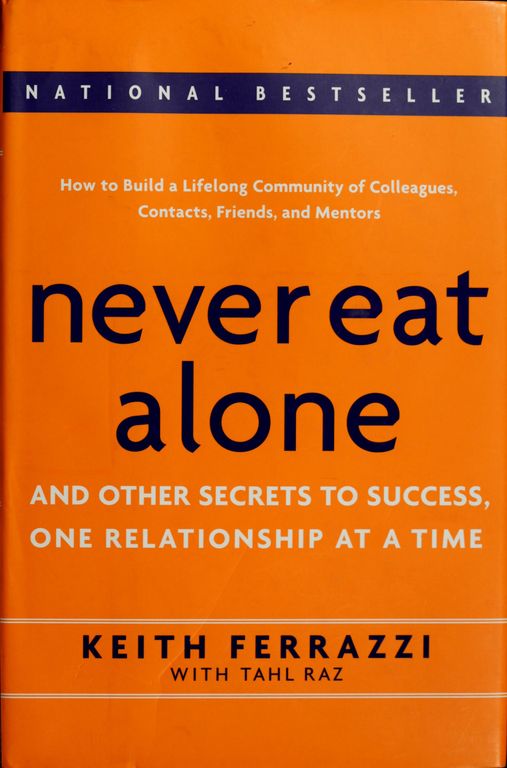
Nova: Precisely. And that's why we're looking at some profound shifts in thinking, guided by two brilliant minds: Keith Ferrazzi, with his groundbreaking book "Never Eat Alone," and Adam Grant, with "Give and Take." Ferrazzi, for instance, came from a really humble background and through sheer will and a radical rethinking of relationships, became a master networker and a highly sought-after consultant. His insights aren't theoretical; they're forged in the real world of building connections from scratch.
Atlas: That context is vital. It’s not just academic theory; it’s a blueprint from someone who lived it. So, what’s the core deception he uncovers in this traditional networking trap?
The Great Networking Deception: From Transaction to True Connection
SECTION
Nova: The core deception is that we've been conditioned to view networking as a transactional exchange. You meet someone, you see what they can do for you, you give them your card, and hope for a callback. It's a very tit-for-tat, quid pro quo mentality. Ferrazzi argues this leads to hollow connections and, exactly as you put it, that feeling of desperation.
Atlas: I imagine a lot of our listeners feel that. Especially aspiring leaders who are trying to make an impact, there’s this unspoken rule that you have to "work the room," gather contacts. But it often feels so superficial.
Nova: It does. Think of it this way: Imagine a young manager, let's call her Sarah, who goes to every industry event with a mental checklist. "I need to meet a senior VP from Company X, and someone who can introduce me to the new head of marketing." She's good at collecting cards, she follows up with generic emails, but her interactions are always focused on agenda, needs.
Atlas: Oh, I've seen that play out. It's exhausting for everyone involved, especially Sarah. She's probably burning out trying to maintain all these transactional ties.
Nova: Exactly. And often, those connections don't stick because there's no real glue. Now, contrast that with Ferrazzi's approach. He talks about generosity and vulnerability. It's about finding ways to help others an immediate expectation of return. He famously tells stories of connecting two seemingly unrelated people, simply because he saw a potential synergy, and then stepping back.
Atlas: Hold on. For someone proactive, who's driven by growth and wants to see results, isn't there a pressure to make connections immediately useful? How do you balance that pure, unadulterated generosity with the very real need to achieve your own goals, especially when you're aiming for leadership and impact?
Nova: That's a critical question, Atlas. It's not about being a martyr or neglecting your own goals. It's about a long-game strategy. True influence and leadership aren't built on a series of transactions; they're built on trust, respect, and a genuine desire to see others succeed. When you genuinely help someone, you're not just doing them a favor; you're building social capital, an intangible asset that pays dividends in unexpected ways, often far down the line. And vulnerability? That's about being authentic, sharing your true self and struggles, which actually builds deeper trust than any perfectly curated façade ever could.
Atlas: That's a great way to put it, "social capital." It shifts the entire mental model from a quick win to building a robust, supportive ecosystem. I can see how that would resonate with someone driven by connection and making a difference.
The Strategic Advantage of Generosity: Why Givers Gain More
SECTION
Nova: And that naturally leads us to the second key idea, which beautifully complements Ferrazzi's work: Adam Grant's "Give and Take." Grant takes this concept of generosity and scientifically proves that 'givers'—those who focus on contributing to others—often achieve the greatest success and impact in the long run.
Atlas: So it's not just a nice idea, it's a strategic advantage? That sounds almost counter-intuitive in a competitive world where we're often told to look out for number one.
Nova: It absolutely is a strategic advantage. Grant's research shows that givers build stronger, more resilient networks. People want to collaborate with them, they trust them more, and they're more likely to go out of their way to help a giver in return, even if the giver never asked. It's not about being a doormat; it's about creating a virtuous cycle.
Atlas: Can you give an example of how this plays out in a real-world scenario? Because for an aspiring leader, this could feel risky. How do you give without being taken advantage of, or without your unique value getting lost in the shuffle?
Nova: Absolutely. Think of a brilliant software engineer, let's call him Alex. Alex wasn't aiming for a promotion; he just genuinely loved solving complex coding problems. So, he'd consistently help his colleagues debug their toughest code, offer advice on architectural challenges, and even run informal workshops during lunch breaks, purely out of a desire to contribute to the team's success. He never asked for anything in return.
Atlas: He sounds like the kind of person everyone wants on their team.
Nova: Exactly! Over time, Alex became the go-to person for complex issues. People respected his expertise and, more importantly, they trusted his intentions. When a critical project leader role opened up, guess who was unanimously recommended by his peers and superiors, despite not actively "networking" for it? Alex. His generosity built an immense reservoir of goodwill and demonstrated his leadership capabilities far more effectively than any self-promotion ever could.
Atlas: Wow, that's actually really inspiring. It shows that articulating your unique value can sometimes be done best through contribution, rather than just talking about it. But what about the risk of being taken advantage of? I imagine some people are just takers, right?
Nova: That's a crucial point, and Grant addresses this. He distinguishes between "otherish givers" and "selfless givers." Selfless givers burn out because they give without protecting their own energy or time. Otherish givers, however, are smart about their giving. They contribute generously but also learn to identify takers and set boundaries. It's about giving in a way that fuels you, not drains you. It aligns perfectly with building a sustainable approach to your professional life, where your marketing is aligned with your values.
Synthesis & Takeaways
SECTION
Nova: So, by combining Ferrazzi's emphasis on genuine connection and vulnerability with Grant's insights into the strategic power of giving, we truly transform networking. It moves from a transactional task into a powerful engine for mutual growth, leadership, and long-term impact. It’s about building a legacy of contribution, not just a list of contacts.
Atlas: That's a profound reframe. It gets to the heart of what it means to be a conscious innovator and leader – not just to achieve success, but to do so in a way that builds trust and genuinely makes a difference. It's about trusting your instincts to build those deep connections, and practicing active listening, which we know deepens connections.
Nova: Absolutely. It's about recognizing that leadership development isn't just about accumulating skills, but about cultivating the kind of relationships that foster collaboration and inspire teams. Your personal brand becomes a reflection of your authentic contributions.
Atlas: That gives me chills. It’s not just about getting ahead, but about leading with integrity and building a network that actually supports your vision for leadership development and sustainable marketing. It’s a fundamental shift in how we approach our professional lives.
Nova: Exactly. So, for our aspiring leaders and strategic networkers out there, your tiny step this week is to reach out to one person you haven't spoken to in a while. Offer a genuine compliment, share a helpful resource, with absolutely no agenda. Just connect.
Atlas: That's a powerful challenge. It moves us from calculating connections to cultivating community. It's about trusting your instincts to build those deep connections, just like we discussed.
Nova: Absolutely. Because true influence and impact don't come from the size of your contact list, but the depth of your connections. It's about making a difference, one genuine interaction at a time.
Nova: This is Aibrary. Congratulations on your growth!