Reimagining the Path to Early Retirement
Golden Hook & Introduction
SECTION
Nova: Atlas, quick, in five words or less: what’s your gut reaction to "early retirement"?
Atlas: Oh, that’s easy. "Dreamy, elusive, maybe a myth." Why?
Nova: "Dreamy, elusive, maybe a myth." I love that. Because for many, it does feel like this distant, almost impossible fantasy, right? But what if that feeling is part of the problem? Today, we’re challenging that perception, drawing insights from two incredibly impactful authors who, while very different, offer a surprisingly cohesive path to not just retirement, but true financial independence.
Atlas: You’ve got my attention. "Maybe a myth" was my polite way of saying "seems impossible for." So, who are we consulting today to shatter this illusion?
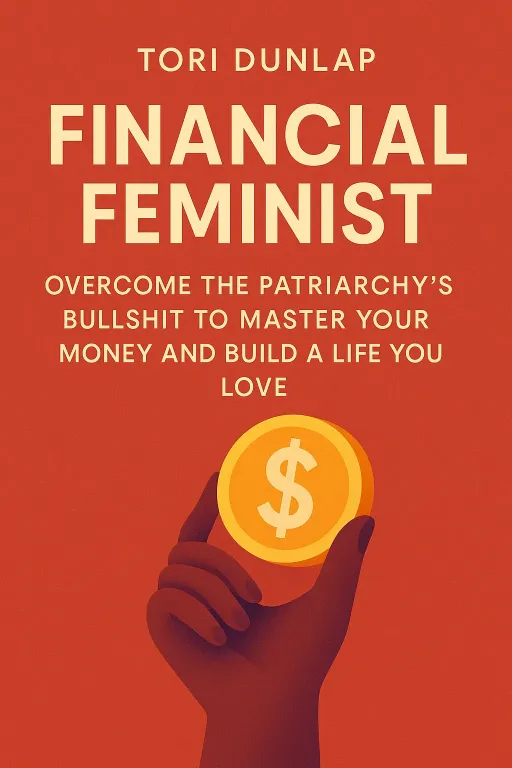
Nova: We’re diving into the brilliant work of Tori Dunlap, author of "Financial Feminist," and the foundational, often polarizing, insights of Robert T. Kiyosaki from his book "Rich Dad's Retire Young Retire Rich."
Atlas: Dunlap and Kiyosaki, that’s an interesting pairing. Tori Dunlap has really carved out a niche as a modern voice, especially for women, demystifying finance and making it feel empowering. Her online presence is huge, and her approach feels very accessible.
Nova: Absolutely. Dunlap’s work is particularly powerful because she frames financial independence as an ultimate form of protest against systems that often keep us feeling disempowered. It’s not just about accumulating wealth; it’s about reclaiming agency. Kiyosaki, on the other hand, comes from a different era but his impact is undeniable. He’s the one who really pushed the idea of financial education the traditional classroom, often challenging conventional wisdom about jobs and investments. His "Rich Dad Poor Dad" franchise has sold millions, inspiring countless people to rethink their financial strategies, even if his methods are sometimes debated.
Atlas: So, one is tackling the internal, almost philosophical battle with money, and the other is laying out the external, practical strategy for making money move. It sounds like a powerful one-two punch.
Nova: Exactly. Today we’ll dive deep into this from two perspectives. First, we’ll explore the often invisible mental blocks and societal myths that hold us back, then we’ll discuss the powerful concept of making our money move faster and work harder for us.
Dismantling Internalized Money Myths
SECTION
Nova: Let’s start with Tori Dunlap and this idea that financial independence is the ultimate form of protest. What she’s really getting at is that our relationship with money isn't just about numbers; it's deeply ingrained with societal expectations, gender roles, and personal narratives. Many of us carry what she calls "money myths."
Atlas: Money myths? That’s interesting. I imagine a lot of our listeners, especially those driven by accelerated financial growth, might think they’re purely logical about their money. But what kind of myths are we talking about here? Is it like, "money doesn't buy happiness," or something more insidious?
Nova: It’s often more insidious. It’s the subconscious beliefs that we've absorbed since childhood, from our families, our culture, our media. Things like "I'm not good with money," "I'll never be rich," "money is evil," or "rich people are greedy." These aren't just thoughts; they're deeply held convictions that dictate our financial behavior without us even realizing it.
Atlas: That’s actually really compelling. How do we even begin to unearth these hidden beliefs? It's not like they come with a big flashing sign saying, "This is your limiting money myth!"
Nova: Precisely. Dunlap encourages us to audit our current "money story." Think about your earliest memories of money, what your parents said about it, how financial struggles or successes were discussed. For example, I knew someone who grew up in a household where money was always tight, and her parents constantly said, "We can't afford that."
Atlas: Oh, I know that feeling. That’s going to resonate with anyone who’s ever had to watch every penny.
Nova: Right? And for her, that translated into an adult belief that she had to save every single penny, even when she had a good income. She was paralyzed by the fear of spending, even on things that would genuinely improve her life or her business. Her "protest" against this myth was learning to invest and spend strategically, not just hoard. She had to recognize that her scarcity mindset, while understandable given her upbringing, was now actively preventing her from growing her wealth.
Atlas: Wow. So, the myth isn't just about what you believe, but how it unconsciously dictates your actions. It’s like an invisible hand pushing you away from opportunity. For someone who’s constantly looking for actionable paths to wealth, this internal audit sounds like the absolute first step. You can't navigate if your compass is broken.
Nova: Exactly. It’s about recognizing that many of these beliefs aren't truth, but inherited narratives. And by dismantling them, you're protesting the very systems that benefit from your financial disempowerment. It's about taking back control of your financial narrative.
Atlas: That makes sense. It’s not just about breaking free from a system, but breaking free from the internal chains that system might have inadvertently put on you. So, once we’ve done this deep dive into our financial psyche, and hopefully shed some of those limiting beliefs, what’s the next logical step in this reimagined path to early retirement?
Accelerating Wealth Through the Velocity of Money
SECTION
Nova: That naturally leads us to Robert Kiyosaki's concept of the "velocity of money." Once you've cleared some of those internal hurdles, the question becomes: how do we make our money harder and faster for us? Kiyosaki argues that it's not just about how much money you, but the at which your capital moves through your assets to create more capital.
Atlas: Velocity of money... so it’s not just about earning more, or even saving diligently, it's about making the money itself sprint? For many, money just sits there, collecting dust in a low-interest savings account. Can you give an example of what Kiyosaki means by this financial sprinting?
Nova: Think of it like this: a dollar sitting in a savings account earning 1% interest is moving very slowly. A dollar invested in a rapidly appreciating asset, or used as capital in a business that generates quick returns, is moving with high velocity. Kiyosaki emphasizes using assets that generate cash flow, and then quickly reinvesting that cash flow into assets.
Atlas: Okay, so it’s not just about "buy and hold" for decades. It's about a more active, dynamic approach. But wait, for our listeners who are driven by security and abundance, isn't that risky? Doesn't "fast" often mean "fragile" in the financial world? It sounds a bit like gambling if you're not careful.
Nova: That’s a critical distinction. It’s not about gambling; it's about and. Kiyosaki would argue that traditional "safe" investments often have a very low velocity of money. He champions real estate, business ownership, and intellectual property because they can offer higher cash flow and quicker turnover if managed correctly. For instance, imagine someone who buys a property, renovates it quickly, rents it out to generate consistent income, and then uses that income, or even refinances, to acquire another property. That money is moving. It’s not sitting idle.
Atlas: So, the capital isn't just growing; it's. It's like a financial ecosystem where the profits become the seeds for the next growth cycle. How does someone with a traditional job, someone who's a strategist by nature but perhaps not a full-time real estate investor, start playing this game of 'money velocity' without quitting their day job?
Nova: It starts with focused financial learning, just as our growth recommendations suggest. It's dedicating that 20 minutes daily to understand different asset classes, cash flow strategies, and how to leverage capital. It could be investing in a side business that generates quick returns, even if small initially, and then reinvesting those profits. It could be understanding how to use debt strategically as leverage, something Kiyosaki talks a lot about, rather than fearing all debt. The key is to constantly look for opportunities to make your capital generate more capital, rather than just waiting for it to slowly appreciate.
Atlas: So, it’s about being a financial architect, actively designing systems for your money to flow through, rather than just being a passive recipient of a paycheck. It aligns perfectly with the idea of being a "strategist" and a "navigator."
Synthesis & Takeaways
SECTION
Nova: Precisely. The true path to reimagining early retirement isn't just about saving more or cutting expenses, though those are important. It's a powerful one-two punch: first, dismantle the internal blocks – those money myths that unknowingly sabotage your efforts. Then, simultaneously, optimize the external flow by looking for ways to increase the turnover speed of your investment assets.
Atlas: So, it’s about being a financial strategist, both with our minds and our money. You can have the best investment strategy in the world, but if you're subconsciously telling yourself you don't deserve wealth, you'll find ways to undermine it. And you can have a great mindset, but if your money is just sitting stagnant, it's not working for you.
Nova: Exactly. It's about proactive design, not passive waiting. The combination of Dunlap's mindset work and Kiyosaki's velocity principles creates a dynamic, accelerated path to financial freedom. It challenges us to look beyond conventional wisdom and truly take ownership of our financial destiny.
Atlas: What's the absolute first step someone listening right now should take to start this reimagined path to early retirement?
Nova: Start by dedicating those 20 minutes daily to focused financial learning or planning. Use that time to begin auditing your own "money story." What are those quiet beliefs you hold about money? And then, with that clarity, start exploring what "velocity of money" could look like for you. It builds momentum, step by step.
Atlas: That’s a powerful call to action. It’s about building a solid future, driven by security and abundance, but doing it with intention and intelligence.
Nova: Absolutely. The true path to early retirement isn't just about saving more, but about profoundly changing how we think about money and how we make it work, transforming it from a static resource into a dynamic engine for freedom. It’s about proactive design, not passive waiting.
Atlas: Incredible insights today, Nova.
Nova: Always a pleasure, Atlas.
Nova: This is Aibrary. Congratulations on your growth!