

The Integrity Anchor: Navigating Ethical Choices with Clarity.
Golden Hook & Introduction
SECTION
Nova: What if that gnawing feeling in your gut, the one that tells you something just isn't right, isn't a sign of weakness, but your greatest strength?
Atlas: Oh, I like that. Because honestly, for a lot of us, that gnawing feeling often just feels like... well, gnawing! Like a stomach ache of indecision. You're saying it's actually a superpower?
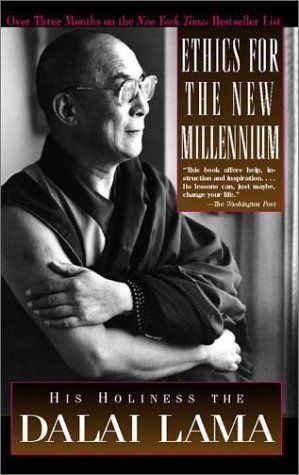
Nova: Absolutely. Today, we're talking about "The Integrity Anchor: Navigating Ethical Choices with Clarity," and we're looking at how that internal struggle is actually a sophisticated internal compass. We’re drawing insights from two incredible books: "Ethics for the New Millennium" by His Holiness the Dalai Lama XIV, and Viktor Frankl's profound "Man's Search for Meaning."
Atlas: The Dalai Lama and Viktor Frankl? That's quite a pairing. I'm curious about the Dalai Lama's angle on ethics. Isn’t that usually steeped in spiritual doctrine?
Nova: You'd think so, wouldn't you? But what's fascinating is that the Dalai Lama's work on ethics, particularly in "Ethics for the New Millennium," is surprisingly secular. He argues for universal ethics – compassion, interdependence – that transcend religious boundaries. He's really focused on practical well-being for all, globally, which is a powerful lens for anyone, especially leaders, seeking clarity outside of dogma.
Atlas: That’s a great way to put it, especially for someone trying to integrate values into their daily actions without getting caught up in specific doctrines. So, where do we start with this internal compass?
The Compass of Conscience: Embracing Ethical Anxiety as a Guide
SECTION
Nova: We start right there, with that feeling. That quiet anxiety you mentioned, the internal struggle when faced with complex decisions that seem to pull you in different directions. We often perceive it as a problem, a sign that we’re not sure, or that we’re weak. But what if it's the opposite? What if it's your commitment to integrity, signaling that your actions might not align with your core values?
Atlas: Okay, but isn't that anxiety just indecision? Like, I've got two options, and both have downsides, and my stomach is churning. How do I know it's a compass and not just fear of making the wrong call, or just plain old stress? For a strategic integrator, getting stuck in that analysis paralysis is the enemy.
Nova: That’s a crucial distinction. Fear of consequences is one thing, and it’s valid. But the ethical anxiety we're talking about comes from a deeper place. It’s when you know what’s right, or at least have a strong intuition, but external pressures or perceived personal costs are pushing you elsewhere. Think of it like this: Imagine a CEO, Sarah, whose company is facing a downturn. The easiest path, financially, is to lay off a significant portion of her team. The numbers on the spreadsheet look clear.
Atlas: Sounds like a familiar scenario for many leaders right now.
Nova: Exactly. Now, Sarah feels that gnawing anxiety. It's not just fear of the financial impact of laying people off. It's the deep unease about the human cost, the broken trust, the impact on families. Her values of loyalty and employee well-being are clashing with the cold logic of the balance sheet. That gnawing isn't indecision; it's her integrity sounding an alarm bell. It's her internal compass pointing to a more ethical, albeit harder, path.
Atlas: I see. So it's less about the external dilemma itself and more about the internal dissonance that dilemma creates when it bumps up against your core values. It’s a signal, not a malfunction.
Nova: Precisely. The Dalai Lama's universal ethics, grounded in compassion and interdependence, give us a framework for understanding this. Our deepest human values inherently lean towards actions that benefit others and foster connection. When we deviate from that, our internal system flags it. That anxiety is a sign of your commitment to doing what's right, reflecting a deep human need for purpose and ethical alignment.
Atlas: So, for someone trying to lead consciously, how do they 'listen' to this compass? It's one thing to feel it, another to translate that feeling into a concrete ethical action, especially when the stakes are high.
Nova: That’s where the second profound insight comes in, and it leads us beautifully to Viktor Frankl. Understanding that compass then prepares us for the incredible power we have, even in the most constrained situations.
The Freedom of Choice: Finding Meaning and Action in Ethical Spaces
SECTION
Nova: Frankl, in "Man's Search for Meaning," wrote about his experiences in Nazi concentration camps. It’s an extreme context, but his insights are universally applicable. He observed that even when everything was stripped away—possessions, family, dignity, even physical freedom—the one thing that could not be taken was the human capacity to choose one's attitude, one's response, to the given circumstances.
Atlas: Wow, that's incredibly profound, especially from such extreme circumstances. It’s almost hard to imagine. But how does that translate to the less life-or-death ethical dilemmas we face daily? For the human architect trying to build an ethical culture, it can feel like external forces dictate so much, making that 'freedom to choose' feel elusive.
Nova: That's the brilliance of Frankl's insight. The freedom isn't about controlling external events, which we often can't. It's about controlling our internal response, our perspective, and ultimately, our actions within those constraints. Consider a team leader, Alex, working on a project with an impossible deadline and limited resources, imposed by senior management. The pressure is immense.
Atlas: Been there. The temptation is often to cut corners, blame others, or just burn out your team.
Nova: Exactly. Alex feels that familiar internal pressure, that ethical unease. Instead of succumbing to the external pressure and pushing his team to unhealthy limits or compromising on quality, he exercises his freedom. He chooses to approach the situation with transparency, communicating the challenges honestly to his team and to upper management. He advocates for his team, seeks creative solutions, and maintains a positive, supportive attitude, even if the outcome isn't perfect. He chose his.
Atlas: So he didn't control the impossible deadline, but he controlled how he showed up, how he led, and how he impacted his team. That’s a powerful distinction. It’s not about ignoring the constraints, it's about finding agency within them. But how do we cultivate this 'ultimate freedom' in a pressure-cooker environment? How do we anchor ourselves when the currents are pulling us in every direction?
Nova: It begins with recognizing that internal struggle, as we discussed earlier. That's Nova's Take: Your internal struggle with integrity is a sign of your commitment to doing what's right. It's recognizing that you deeply about the ethical dimension. Once you acknowledge that, you can then consciously choose to align your actions with those values, even when it's difficult. Frankl would say it’s about finding meaning in the act of choosing that principled response. It’s the ultimate form of self-determination.
Atlas: So it's about acknowledging the discomfort, using it to clarify our values, and then consciously choosing our response, no matter the external pressure. That's a powerful framework for conscious leadership, moving from just reacting to external forces to actively shaping our internal and, therefore, our external ethical landscape.
Synthesis & Takeaways
SECTION
Nova: Precisely. The compass of conscience guides us by making us aware of what truly matters, and our freedom of choice empowers us to act on that guidance. Ethical decisions aren't about finding an easy path; they're about affirming our deepest values and finding meaning in that affirmation. It’s about being a strategic integrator of your values and an architect of human-centered solutions.
Atlas: That's a profound thought. It reframes ethical challenges not as burdens, but as opportunities for deeper alignment and growth. It's about understanding that your commitment to integrity is a strength to be leveraged, not a weakness to be overcome.
Nova: So, we’d like to offer you a healing moment. Take a quiet moment today to reflect on a recent difficult decision you’ve faced. Acknowledge the internal conflict you felt. And then, recognize that the very presence of that conflict was a testament to your deep commitment to integrity. It means you care.
Atlas: That’s a truly empowering way to look at it. It turns a moment of doubt into a moment of self-recognition and strength.
Nova: Indeed. It's a reminder that true clarity isn't about avoiding the hard questions, but about actively engaging with them using your internal compass and your inherent freedom.
Atlas: Thank you, Nova, for shedding so much light on such a critical topic.
Nova: My pleasure, Atlas. Always a joy to explore these profound insights with you. This is Aibrary. Congratulations on your growth!