

Beyond Logic: The Power of Emotional Intelligence in Leadership
8 minGolden Hook & Introduction
SECTION
Nova: We've been told for decades that IQ, pure intellectual horsepower, is the golden ticket to success, right? The smarter you are, the more logical, the more technically skilled, the higher you climb. But what if the very thing we prioritize in leaders is secretly holding them back from true impact?
Atlas: Oh, I like that. That's a bold claim, Nova. Because I think in a lot of high-stakes environments, the mantra is always "data, logic, results." So, what exactly are we overlooking when we're so focused on the purely rational?
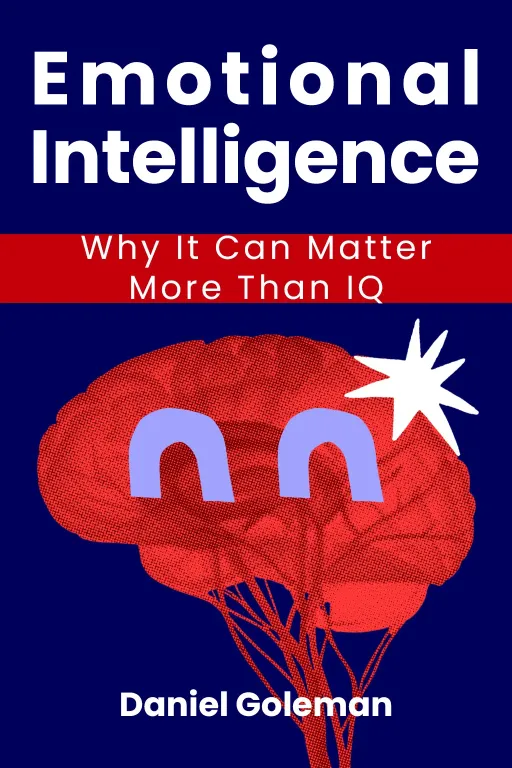
Nova: Exactly! Today, we're diving into the profound, often-ignored power of emotional intelligence, a concept famously brought to the forefront by Daniel Goleman in his seminal work,. Goleman, a brilliant science journalist, synthesized decades of psychological research, pulling it out of academic journals and showing the world why our feelings matter just as much as our thoughts. And then, we'll connect it to the groundbreaking work of Brené Brown in, where she grounds concepts like vulnerability and courage in rigorous research on human connection. It's about recognizing that leadership isn't just a chess game of strategies and numbers; it's a deeply human endeavor.
Atlas: That makes sense. Because if you're building robust systems or cultivating vibrant communities, you're ultimately dealing with people. You can solve a technical problem with logic, but people are… well, people are messy.
The Silent Engine: Unpacking the 'Blind Spot' of Emotional Intelligence
SECTION
Nova: They are! And that's precisely the blind spot. We often assume that if someone is brilliant at their job, if they have a high IQ, they'll naturally be a great leader. But how many times have we seen a technically gifted individual struggle to motivate a team, navigate conflict, or even just communicate effectively? It's like having a supercar engine but no steering wheel.
Atlas: I've definitely seen that. For someone who's constantly trying to optimize processes and build foundational structures, it’s easy to think that if the plan is perfect, execution should follow. But then, you hit these interpersonal roadblocks, and suddenly, the perfect plan goes sideways. So, what exactly this emotional intelligence Goleman talks about? What are its components?
Nova: Goleman broke it down into five crucial areas. First,: understanding your own emotions, strengths, weaknesses, values, and goals. It’s knowing how you feel and why you feel it. Second,: managing those emotions, impulses, and resources effectively. It's not about suppressing feelings, but channeling them constructively.
Atlas: So, it's not just feeling angry, but understanding you're angry and choosing how to respond instead of just lashing out. That makes sense for leadership.
Nova: Precisely. The third is: not external rewards, but an intrinsic drive to achieve, to improve, to pursue goals with energy and persistence. Fourth,: understanding and sharing the feelings of others. This is critical for connection. And finally,: handling relationships, building networks, and finding common ground. It's about influence and collaboration. Imagine a brilliant engineer, let's call her Sarah, who designs an incredibly innovative system. Flawless code, perfect architecture. But she struggles to articulate her vision to her team, dismisses their concerns as "illogical," and gets frustrated when they don't immediately grasp her genius. She might even be seen as aloof or arrogant.
Atlas: Oh man, I know that feeling. I've encountered leaders like that. The system might be brilliant, but the team's morale tanks, or they don't buy into the vision because they don't feel heard. The project slows down, or even fails, not because of a technical flaw, but because of a human one.
Nova: Exactly. Sarah's technical IQ is off the charts, but her EQ might be creating unseen friction. She might be unaware of how her abrupt communication style impacts her team, unable to regulate her frustration, or lacking the empathy to understand their perspectives. The result? A brilliant blueprint that never fully gets built, or a team that feels like cogs in a machine rather than valued contributors. This shows how EQ isn't just about being "nice"; it's about enabling effective collaboration and execution, which directly leads to better outcomes for any project.
The Courageous Leader: Vulnerability as a Strategic Advantage
SECTION
Atlas: That's a perfect example of why this isn't just soft skills for soft people; it's foundational for anyone trying to build something significant. But let's talk about something that often feels counterintuitive in leadership, especially for someone who values resilience and robustness: vulnerability. Brené Brown makes a powerful case for it. How does that connect to emotional intelligence, and why isn't it seen as a weakness?
Nova: That's a fantastic segue, Atlas, because Brown takes Goleman's framework and shows us how it in leadership. For so long, vulnerability has been conflated with weakness, especially in professional spheres. We're taught to project strength, certainty, and invincibility. But Brown, through her extensive research on shame and courage, flips that script entirely. She argues that vulnerability is not weakness; it’s our most accurate measure of courage. It’s showing up and being seen when you have no control over the outcome.
Atlas: Hold on, so you're saying that for someone who's building robust systems and wants to instill confidence, is actually a strategic move? That sounds a bit out there. Because if you're vulnerable, aren't you opening yourself up to criticism, or worse, appearing unsure to your team?
Nova: What emerges from Brown's work is that true resilience and innovation come from psychological safety, and that's built on trust. And trust, she found, is built in tiny moments of vulnerability. Imagine a team facing a significant project setback. A traditional leader might come in, project unwavering confidence, and demand solutions without acknowledging the difficulty. An emotionally intelligent leader, however, might say, "Team, this is a tough one. I'm feeling the pressure, and I know you are too. I don't have all the answers, but I trust that together, we can figure this out."
Atlas: What does that do? It's like, instead of just pushing down, they're leveling with you.
Nova: Exactly! That leader isn't saying, "I'm weak." They're saying, "I'm human, I'm courageous enough to admit the challenge, and I trust." That act of vulnerability fosters empathy within the team, builds deeper trust, and creates an environment where people feel safe to take risks, admit mistakes, and innovate. It cultivates a sense of shared purpose and resilience. It allows them to lean into the discomfort and build something stronger, together, because the emotional groundwork is solid. It's about building a human connection that underpins sustainable growth, which I know is so important to our listeners.
Atlas: That's actually really inspiring. Because it moves empathy from being just a feeling sorry for someone, to an active tool for leadership. It’s not about being soft, but about being real and courageous. It sounds like it cultivates a team culture where people aren't just performing tasks, but are deeply invested and connected.
Nova: That's the profound shift. It's about transforming how you lead, allowing you to build stronger teams and navigate complex human challenges with greater clarity and authenticity. It’s about understanding that the human element isn't a variable to be managed away, but the very source of strength and innovation.
Synthesis & Takeaways
SECTION
Atlas: So, we've gone from emotional intelligence being a silent engine, often overlooked, to seeing vulnerability as a powerful, courageous act of leadership. It's a journey from a blind spot to a strategic advantage, all rooted in truly understanding ourselves and others.
Nova: Absolutely. It’s about recognizing that the "soft skills" are, in fact, the hard skills of the 21st century. They are what allow you to build not just products, but robust systems and vibrant communities that thrive on connection and trust. The deep question we want to leave our listeners with today is: Where in your current work, in your projects, in your team dynamics, could a deeper understanding of emotions create a more positive and productive outcome?
Atlas: That makes me wonder, if you dedicate just 15 minutes daily to reflective journaling, as recommended in our growth insights, how much more clearly could you see those emotional patterns and leverage them? It's about trusting your intuition as much as your data.
Nova: It is. The future of leadership isn't just about what you know, but how profoundly you connect and inspire. That connection is built on emotional intelligence.
Atlas: Powerful stuff, Nova.
Nova: This is Aibrary. Congratulations on your growth!









