

Mastering Emotional Intelligence in Relationships
Golden Hook & Introduction
SECTION
Nova: What if the biggest barrier to your success, your happiness, and your most cherished relationships wasn't external circumstances, but something entirely within your control? Something you might even call... a superpower you haven't fully unlocked.
Atlas: A superpower? Sounds like a self-help guru's promise, but my inner skeptic is raising an eyebrow, even as my inner 'better human' is leaning in. What exactly are we talking about here?
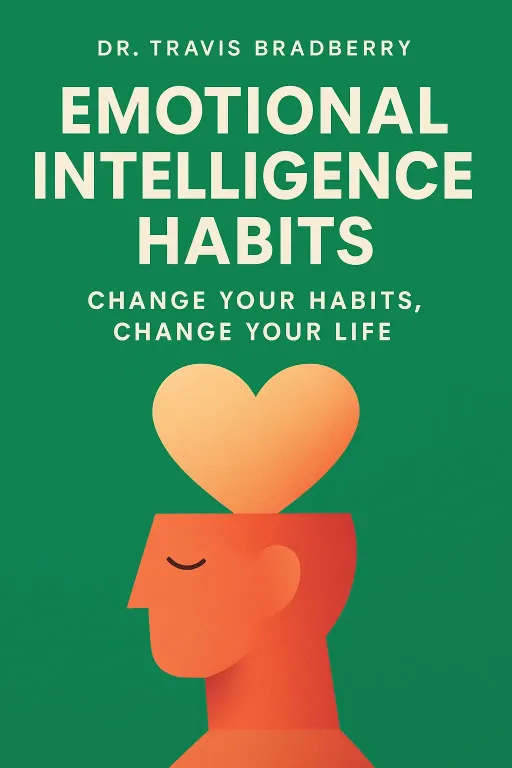
Nova: We're talking about Emotional Intelligence, Atlas. And today, we're diving deep into the incredibly practical and transformative work of Dr. Travis Bradberry, along with Dr. Jean Greaves, particularly their insights from "Emotional Intelligence Habits" and "Emotional Intelligence 2.0."
Atlas: Ah, Bradberry! I know the name. He's one of those authors who took a concept that felt academic and made it genuinely actionable. As someone who values efficiency and wisdom that fits into a busy life, that's exactly what I, and I imagine many of our listeners, are looking for.
Nova: Exactly. What makes their work stand out is that they don't just define emotional intelligence; they provide a blueprint. "Emotional Intelligence 2.0," for instance, even includes an online assessment that helps you pinpoint your specific strengths and weaknesses, making development highly targeted. It's not just theory; it’s a personalized roadmap for growth.
Atlas: Okay, so not just a vague idea, but a measurable skill set you can actually improve. That’s a significant differentiator. So, where do we start with unlocking this 'superpower'?
Nova: We start by understanding its core components. Emotional Intelligence, or EI, is broken down into four fundamental pillars. Think of it like a house with four strong walls. Today, we'll first walk through the internal walls: Self-Awareness and Self-Management.
Mastering Your Inner World: Self-Awareness & Self-Management
SECTION
Atlas: Mastering your inner world. That sounds almost meditative, but I'm guessing it's more than just sitting quietly and thinking deep thoughts. What exactly is Self-Awareness in this context?
Nova: It's about truly understanding your emotions, your strengths, your weaknesses, your values, and even your goals. It’s knowing how you typically react, what triggers you, and what motivates you. It's developing an internal radar, as you put it earlier. For instance, Bradberry suggests simple, daily habits like 'checking in' with your emotions throughout the day. Instead of just annoyed, you pause and label it: "Ah, that's frustration," or "That's anxiety." This simple act creates distance and clarity.
Atlas: But how do you get self-aware? It feels so abstract sometimes. Is it just... thinking about your feelings? Because honestly, sometimes my feelings are a chaotic mess.
Nova: It's more active than passive thought. One powerful habit is journaling. Not just about what happened, but about what happened, and. Another is actively seeking feedback. For example, a marketing director I know she was always calm under pressure. Her team, however, saw her clenched jaw and rapid-fire questions as intense stress, which then made stressed. It wasn't until a trusted colleague gave her direct feedback that she realized her body language was betraying her internal state. Her self-awareness was lacking, and it was impacting her team's morale without her even realizing it. That realization was her first step to changing things.
Atlas: Oh, I know that feeling! Body language speaks volumes. So, self-awareness is like developing an internal radar, translating those chaotic feelings into understandable signals. What about self-management, then? Because knowing you're stressed is one thing; not yelling at your colleague or snapping at your kids is another.
Nova: Precisely! Self-management is the next step. It’s about managing your emotional reactions, adapting to change, taking initiative, and maintaining your integrity. It’s the ability to pause between stimulus and response. Instead of reacting impulsively to that stress, you choose a more constructive path. It's about intentional action, not just internal understanding.
Atlas: That sounds like pure magic for anyone in a high-pressure role, or frankly, anyone trying to navigate a tricky family dinner. Give me an example of how that looks in practice.
Nova: Think of a project manager who receives a scathing email from a client. Their immediate emotional reaction might be anger or defensiveness. A person with strong self-management doesn't immediately fire back. They might take a deep breath, step away from the computer for five minutes, re-read the email to understand the client's perspective, and then craft a thoughtful, solution-oriented response. This simple habit transformed one leader's team dynamics from reactive and defensive to proactive and collaborative. It's not a quick fix, is it? It takes discipline.
Atlas: That's a huge shift. It's about consciously choosing your response rather than being hijacked by your emotions. That's empowering. And it speaks to the idea of wisdom that fits your life – it’s a skill you apply constantly, not just a theory you read about. It’s a daily practice.
Connecting with Others: Social Awareness & Relationship Management
SECTION
Nova: Absolutely, Atlas, it's a practice. And speaking of practice, once you've got a handle on your own internal landscape, the next frontier is how that impacts everyone around you. This brings us to social awareness.
Atlas: Ah, the 'reading the room' skill! That's crucial for anyone who values connection, like many of our listeners who are focused on nurturing relationships.
Nova: It is. Social awareness is about empathy, understanding others' emotions, needs, and concerns. It's also about organizational awareness – grasping the dynamics within a group – and service orientation. Practical habits include active listening, not just waiting for your turn to speak, but truly absorbing what the other person is saying, including their non-verbal cues. Another is practicing perspective-taking: trying to genuinely see a situation from someone else's point of view, even if it's different from your own. This shifts the focus from to.
Atlas: So it's not just about what people, but what they say, right? That's powerful. I've been in meetings where someone says "I'm fine," but their crossed arms and averted gaze tell a completely different story. It’s like having X-ray vision for emotions.
Nova: Exactly. I recall a scenario where a manager noticed a usually outspoken team member was uncharacteristically quiet during a brainstorming session. Instead of pushing for input, the manager pulled them aside later, asking, "Is everything alright? I noticed you seemed a bit withdrawn today." It turned out the team member was dealing with a personal crisis, and that small act of social awareness prevented them from feeling unheard and potentially led to a much deeper, more productive conversation later. That simple observation built immense trust.
Atlas: That's a great example of how a small observation can make a huge difference. And then relationship management, that's where it all comes together, building on all these skills?
Nova: It absolutely is. Relationship management is the culmination. It's about influencing others, developing them, managing conflict effectively, fostering teamwork, and inspiring change. It's using your self-awareness and social awareness to build strong, healthy, and productive connections. It's where all the internal work manifests externally.
Atlas: That sounds like a game-changer, especially for parents or anyone trying to nurture deep relationships. I can think of countless times I've struggled with conflict or trying to inspire someone, wishing I had a better approach.
Nova: It truly is. Consider a parent who, instead of reacting with frustration to a child's tantrum, uses empathy to understand the underlying need or frustration. They then manage their own frustration and calmly guide the child towards expressing their needs in a healthier way. This not only resolves the immediate conflict but strengthens the bond and teaches the child valuable emotional skills for the future. It feels like these skills are not just about being 'nice,' but about being genuinely effective and influential in every interaction.
Synthesis & Takeaways
SECTION
Atlas: Wow. It's clear these skills are not just 'soft skills' that are nice to have. They're foundational for effective communication and influence, which is something many of our listeners are always striving for, whether at home or at work.
Nova: Exactly, Atlas. What Bradberry and Greaves really illuminate is that emotional intelligence isn't about being overly emotional or suppressing feelings. It's about understanding that your emotions, and others', are vital information. It's about being an emotional detective, not a robot. It's about making conscious, informed choices.
Atlas: So, it's about being a better emotional detective, not a robot. And for our listeners who struggle with finding time for deep work, these aren't just big, abstract concepts. They're daily habits that fit into your existing life, small adjustments that yield big results.
Nova: Precisely. And the beauty is, as "Emotional Intelligence 2.0" points out, these skills are. You can literally test your strengths and weaknesses and then target your development. It’s not a fixed trait you're born with or without; it's a muscle you can train and strengthen over time.
Atlas: That's actually really inspiring. So, if someone's feeling like their emotions or someone else's played a significant role in derailing a recent interaction, they can actually something about it. It’s empowering to know you can improve these fundamental human skills.
Nova: Absolutely. So, here's a challenge for our listeners: for the next week, try just one habit from what we've discussed. Maybe it's pausing before you react, or truly listening to understand, not just to reply. See what shifts. Because even small steps forward are still progress.
Atlas: Embrace imperfection, right? Small steps. That's a great mindset shift. And for anyone looking to dive deeper, Dr. Travis Bradberry and Dr. Jean Greaves' books, 'Emotional Intelligence Habits' and 'Emotional Intelligence 2.0', are fantastic starting points. They offer the practical, targeted advice we all need.
Nova: Indeed. And remember, the journey to mastering emotional intelligence is a lifelong one, but it's one of the most rewarding paths you can take for both your personal well-being and your connections with others.
Nova: This is Aibrary. Congratulations on your growth!









