

Stop Guessing, Start Leading: The Guide to Motivating Your Team
Golden Hook & Introduction
SECTION
Nova: What if I told you that the very things most leaders are doing to motivate their teams might actually be creating a subtle but profound sense of? That your carefully constructed "carrots and sticks" are often fostering compliance, not genuine passion?
Atlas: Whoa, that's a bold claim, Nova. I imagine a lot of our listeners, myself included, have been taught that incentives are the bedrock of performance. Are you saying we've been barking up the wrong motivational tree all this time?
Nova: Precisely, Atlas. And it's a fascinating, almost counter-intuitive insight at the heart of the guide we're exploring today: "Stop Guessing, Start Leading." This book really challenges our understanding of what truly drives people, pushing us to look beyond those external rewards. It argues for a radical shift in how we approach team motivation, moving away from outdated assumptions that often fall flat.
Atlas: Okay, so if it's not the external rewards, what is it? My strategic mind is already trying to pinpoint the true levers here.
Nova: That's the million-dollar question, isn't it? And it brings us directly to our first core idea: the intrinsic engine.
The Intrinsic Engine: Beyond Carrots and Sticks
SECTION
Nova: The cold, hard fact the book lays out is that traditional rewards—think bonuses, promotions, public recognition—often fail to truly motivate teams in the long run. You might see a temporary bump in activity, a fleeting moment of compliance, but deep engagement and sustained, innovative performance? Those come from understanding something entirely different: intrinsic drivers.
Atlas: I can see that. I’ve known managers who just throw money at problems, and it feels like a band-aid. But wait, isn't money still a motivator? What else could possibly be as powerful as a tangible reward?
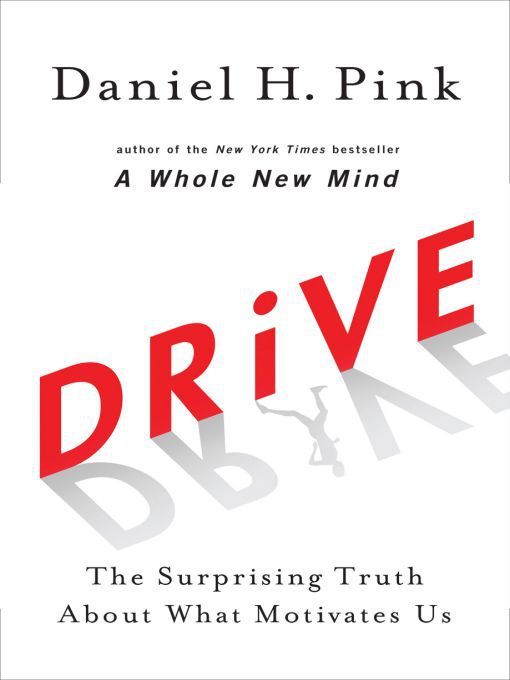
Nova: Well, money is absolutely a baseline. It's foundational. If people don't feel fairly compensated, nothing else matters. But once that baseline is met, its power as a for complex, creative work diminishes rapidly. This is where Daniel Pink's work, famously highlighted in his book "Drive," comes in. He argues that for work that requires thought and creativity, people are driven by three core intrinsic needs: autonomy, mastery, and purpose.
Atlas: Autonomy, mastery, and purpose. That makes sense. It's like the difference between someone building a model airplane because it's their passion, meticulously crafting every detail, and someone assembling widgets on an assembly line for a paycheck. The passion project has its own reward. But can you give me a real-world example where a bonus actually backfired, or at least didn't achieve its intended motivational goal?
Nova: Absolutely. Imagine a software development team given a huge bonus if they hit a specific, aggressive deadline for a new feature. On the surface, great, right? But the pressure of that external reward might push them to cut corners on quality, sacrifice innovative ideas for speed, or even burn out trying to meet the metric, rather than focusing on building the best possible product. The bonus incentivized, not or. They complied, but their engagement in the suffered.
Atlas: That’s a classic example of optimizing for the wrong thing. It sounds like we're creating a system where people do just enough to get the reward, rather than pouring their heart into the work. My pragmatic side instantly flags that as inefficient in the long run.
Nova: Exactly! The book really emphasizes that external control, even well-intentioned, can stifle the very creativity and problem-solving abilities we desperately need in modern workplaces. That's why understanding these intrinsic drivers is so crucial. Money gets people to the table, but autonomy, mastery, and purpose keep them invested, innovating, and truly engaged.
Cultivating Greatness: The Leader as a Gardener, Not a Controller
SECTION
Nova: And that naturally leads us to the second key idea: the leader's pivotal role in cultivating these intrinsic drivers. It's not enough to just know about autonomy, mastery, and purpose; leaders have to actively create an environment where they can flourish. This is where Jim Collins' insights from "Good to Great" become incredibly relevant. He talks about Level 5 Leaders.
Atlas: Level 5 Leaders? What does that mean in practice? How do they empower teams with this autonomy, mastery, and purpose without feeling like they're losing control or letting things slide? That’s often a big fear for leaders.
Nova: That's a fantastic question, Atlas, and it touches on the core tension. Collins describes Level 5 Leaders as having a paradoxical blend of extreme personal humility and intense professional will. They're not the charismatic, ego-driven types. Instead, they build enduring greatness by focusing on "getting the right people on the bus, and the wrong people off the bus," and then, crucially, empowering those right people.
Atlas: So, it's less about micromanaging the 'how' and more about defining the 'why' and trusting the 'who' to figure out the 'how'? That's a huge shift in mindset.
Nova: It really is. Imagine a leader who, instead of dictating every step of a project, sets a clear, inspiring vision – the 'purpose' – and then gives their team the freedom – the 'autonomy' – to determine the best path to achieve it. This leader provides resources, mentorship, and removes obstacles, allowing team members to develop their skills and expertise – fostering 'mastery.' They’re less of a commander and more of a gardener.
Atlas: I love that analogy: the leader as a gardener. It implies nurturing, providing the right conditions, and letting things grow organically, rather than forcing them. And the book's "Nova's Take" on shifting from control to cultivation really resonates with my desire for harmonious and productive environments. It sounds like it builds much stronger, more resilient teams than just dangling a bigger paycheck.
Nova: It absolutely does. When a leader actively helps team members connect their daily tasks to the larger organizational mission, when they provide opportunities for growth and skill development, and when they trust their team to own their work, that's when true potential is unlocked. It's about aligning individual purpose with team goals, transforming a group of employees into a truly motivated, self-driven force. This isn't just about making people; it's about building a fundamentally more effective and innovative organization.
Synthesis & Takeaways
SECTION
Nova: So, what we've really explored today is this profound shift: moving from a mindset of external control and reward to one of internal cultivation and empowerment. The book "Stop Guessing, Start Leading" makes it clear that true, sustainable motivation isn't bought; it's built by fostering autonomy, mastery, and purpose within our teams.
Atlas: It’s a powerful idea, and one that offers actionable solutions for leaders who are genuinely looking to create effective, engaged teams. So, for our listeners who are ready to stop guessing and start leading with these principles, what's one immediate, tiny step they can take this week?
Nova: The book offers a perfect starting point: identify one team task that feels uninspired. Then, brainstorm how you could inject more autonomy or purpose into it this week. Even a small adjustment can spark a significant change.
Atlas: And maybe even ask the team how would inject that purpose? That sounds like a great way to practice active listening and really tap into their intrinsic drivers. What a fantastic way to start building a truly motivated environment.
Nova: Exactly. It's about planting those seeds, Atlas. And the harvest is a team that's not just compliant, but deeply engaged, innovative, and truly leading themselves.
Nova: This is Aibrary. Congratulations on your growth!