

The Illusion of Control: Why We Misunderstand Power.
Golden Hook & Introduction
SECTION
Nova: What if everything you thought you knew about power was fundamentally wrong? What if the real forces shaping your life are hiding in plain sight, not in boardrooms or battlefields, but in your daily routines, influencing your very sense of self?
Atlas: Whoa, Nova, that's a bold claim. I mean, we usually think of power as pretty obvious, right? The boss, the government, the person with the loudest voice. How could something so fundamental be so misunderstood, so invisible?
Nova: Exactly! And that's precisely the "illusion of control" we're dissecting today. We’re drawing from a rich tapestry of modern philosophical thought, a critical framework for understanding our world that challenges centuries of conventional wisdom about influence and autonomy. It's not a single book, but a synthesis of ideas that makes us question our deepest assumptions.
Atlas: Okay, so you’re saying that the way we instinctively perceive power might be a massive blind spot? I imagine a lot of our listeners, especially those who are constantly seeking deeper understanding, might feel a disconnect sometimes—like there are pressures they can't quite name. Could this framework help explain that feeling of unseen forces at play in our everyday decisions?
Nova: Absolutely, Atlas. It's about pulling back the curtain on those very pressures. So, let’s dive into what we call "The Blind Spot": Unveiling the Invisible Chains of Power.
The Blind Spot: Unveiling the Invisible Chains of Power
SECTION
Nova: Most of us, when we think of power, picture a king on a throne, a CEO in a corner office, or a general commanding an army. It’s overt, it’s visible, it’s about direct force or clear authority. But this traditional view, while not entirely wrong, misses the most pervasive and insidious forms of power.
Atlas: So you're saying that’s just the tip of the iceberg? That there’s a whole submerged structure of power that we're completely oblivious to? But if it's invisible, how do we even begin to see it? Isn't that just a philosophical abstraction that doesn't really touch our daily lives?
Nova: Not at all. Think of it this way: a fish doesn't question the water it swims in, or a bird the air it flies through. These are the pervasive, invisible forces that shape their entire existence. For us, invisible power operates through subtle norms, routines, and expectations that shape our behaviors, thoughts, and even our sense of self, often without our conscious awareness.
Atlas: Give me an example. What does that actually look like in practice? How does "invisible power" manifest in my, or our listeners', daily lives?
Nova: Well, consider something as seemingly innocuous as how we structure our day – the 9-to-5 work schedule, the school bells, the traffic patterns. These aren't natural phenomena; they're socially constructed routines that discipline our bodies and minds, often dictating when we eat, sleep, work, and even socialize. Or think about advertising, not just for what it sells, but how it subtly shapes our desires, our ideals of beauty, success, and even happiness. Algorithmic suggestions on our phones, too, nudge us towards certain content, certain ideas, subtly influencing our worldview.
Atlas: So it's not just about who's giving the orders, but the very air we breathe, the subtle nudges, the rules we unconsciously follow. That makes me wonder about individual agency. If these forces are so pervasive, does it mean our choices aren't really our own? That sounds like a profound challenge to anyone on a quest for understanding meaning and human experience.
Nova: It’s a profound shift, absolutely. This blind spot keeps us from recognizing the true sources of influence, leading to feelings of powerlessness or misdirected efforts. We might blame individuals when the real culprits are systemic structures. Understanding this is the first step to truly understanding what it means to be free, and it leads us directly to some brilliant minds who illuminated these very mechanisms.
From Spectacle to Surveillance: Foucault, Machiavelli, and the Architecture of Control
SECTION
Nova: This shift in understanding isn't new; brilliant minds have been dissecting it for centuries. Let's look at two pivotal figures who, in very different ways, helped us see this invisible architecture of control: Michel Foucault and Niccolò Machiavelli.
Atlas: Ah, Foucault and Machiavelli. Two names that often conjure images of complex philosophy and ruthless politics. How do they tie into this idea of invisible power?
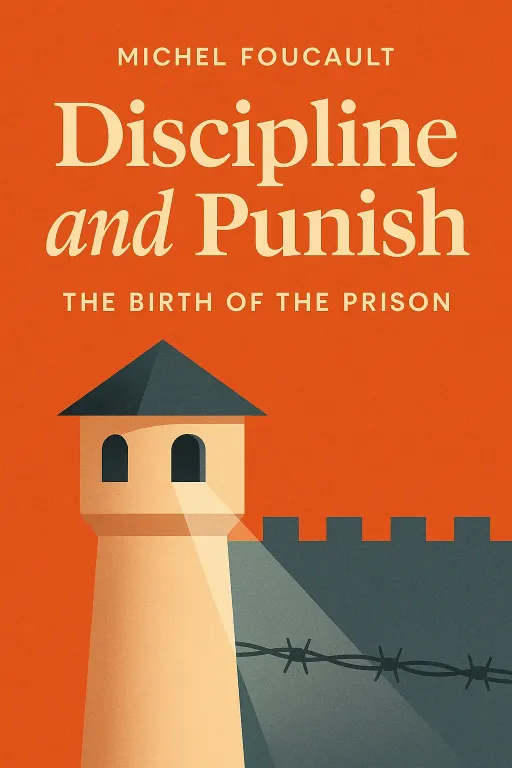
Nova: Foucault, particularly in his work "Discipline and Punish," argued that modern power operates not through the spectacle of public punishment, but through normalization and surveillance. Think about it: instead of public executions, we have prisons designed to observe and reform. Schools, hospitals, factories – they all create what Foucault called 'docile bodies' through routines, schedules, and constant observation, even if it's just the threat of it. The constant feeling of being watched, or needing to conform, makes us self-regulate.
Atlas: Wait, so are you saying our schools and hospitals, institutions meant to educate and heal, are actually instruments of control? That sounds quite dystopian, Nova! What about free will and the benevolent intentions often behind these structures?
Nova: It’s not necessarily about malicious intent, Atlas, but about systemic effects, how these structures inherently function to produce certain types of individuals and behaviors. And it’s not always dystopian; it's just power works in modern society. Now, let’s pivot to Machiavelli, often seen as advocating raw, ruthless power in "The Portable Machiavelli." But his insights are far more nuanced. He showed how rulers maintain control not just through brute force, but through a delicate balance of fear and affection. It reveals power as a constant performance, a negotiation, a strategic presentation of self.
Atlas: So, Foucault shows us the subtle, structural control through normalization, and Machiavelli reveals the performative, relational aspect of maintaining power? It’s less about overt force and more about intricate management of perception and behavior. They both point to power being diffused, rather than concentrated in one person.
Nova: Precisely! They both show power as diffused, relational, and deeply embedded in social practices. It requires constant performance and self-regulation, not just from the powerful, but from. It’s this intricate web of relationships and practices that shapes our daily existence, guiding our choices and defining our identities in ways we rarely acknowledge.
Atlas: That’s a powerful connection. It makes me realize that the "invisible structures of power" aren't just abstract theories; they're the very fabric of our social interactions, our institutions, and even our internal monologues. It’s about recognizing the subtle currents that move us, whether we feel it or not.
Synthesis & Takeaways
SECTION
Nova: So, to bring it all together, the illusion of control is the mistaken belief that power is always overt and exercised by easily identifiable individuals or institutions. The profound insight here is that power is far more subtle, pervasive, and deeply embedded in the everyday systems and performances that shape our lives. It’s not a thing someone, but a dynamic that everyone.
Atlas: So, the real power isn't just in the hands of a few, but in the invisible threads that weave through everything we do. It's a profound shift in perspective. But for a philosopher, an inquirer, a seeker like many of our listeners, what does one do with this realization? How does understanding this invisible architecture of control change how we navigate the world?
Nova: The first, most crucial step, Atlas, is simply awareness. Recognizing these subtle structures is the beginning of reclaiming a degree of agency. It allows us to question why we do what we do, why we think what we think, and whether those choices truly align with our deepest values. I’d encourage our listeners to journal their evolving questions. Where do you see these subtle influences appearing in your own life? In your workplace, your relationships, your media consumption?
Atlas: That’s a fantastic recommendation. It taps right into that intellectual hunger and quest for understanding. It’s about becoming more attuned to the unseen, and in doing so, perhaps becoming more authentically ourselves. This has been truly illuminating, Nova.
Nova: My pleasure, Atlas. It's a topic that continuously makes us look at the world differently.
Nova: This is Aibrary. Congratulations on your growth!