Beyond the Metrics: Cultivating Emotional Intelligence in Leadership
10 minGolden Hook & Introduction
SECTION
Nova: Atlas, five words. How would you describe leadership today?
Atlas: Metrics, pressure, burnout, spreadsheets, lonely.
Nova: Oof. Mine would be: connection, empathy, vision, influence, human.
Atlas: Are we even talking about the same job? It sounds like you're describing a different planet.
Nova: Well, in a way, we are. We're talking about shifting our understanding of leadership from a purely analytical, numbers-driven approach to one that truly harnesses the power of emotional intelligence. And today, we're diving into two seminal works that illuminate this path.
Atlas: Lay it on me. Because my five words definitely paint a picture of a world that desperately needs a new approach.
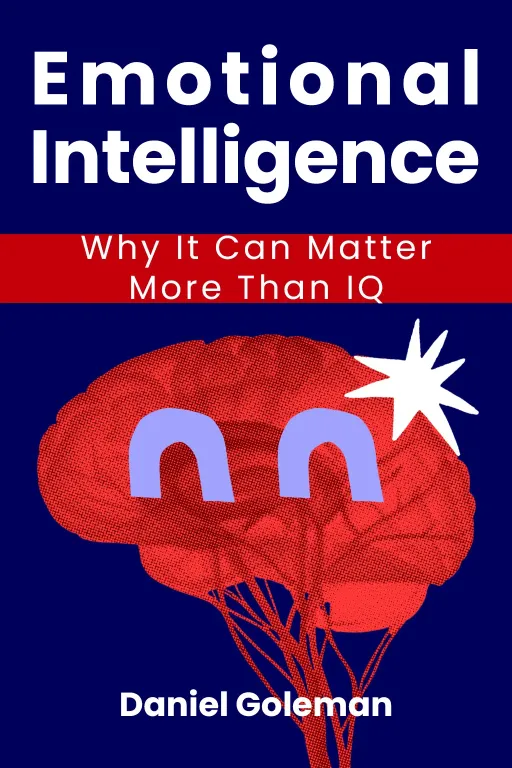
Nova: Absolutely. First up, we have Daniel Goleman's groundbreaking book, "Emotional Intelligence." Goleman, who was a brilliant science journalist for The New York Times, really brought this concept into the mainstream, proving that EQ is just as vital, if not more so, than IQ for success in life and, crucially, in leadership. It completely shifted the paradigm from just pure cognitive ability.
Atlas: So, it's not just about how smart you are, but how you smart, emotionally?
Nova: Exactly. And then, to give us the practical toolkit for applying these insights, we'll turn to "Crucial Conversations" by Kerry Patterson and Joseph Grenny. This book, born out of extensive corporate training and research, offers actionable strategies for navigating those high-stakes discussions where emotions often run wild. It’s become a staple because it delivers real, tangible results.
Atlas: Right, because knowing you be emotionally intelligent is one thing, but actually it when your back is against the wall, that’s another.
Nova: Precisely. So today, we'll dive deep into this from two perspectives. First, we'll explore why emotional intelligence is the invisible superpower of great leaders, then we'll discuss how to wield that power to navigate the most crucial and challenging conversations.
The Invisible Superpower: EQ in Leadership
SECTION
Nova: Let's start with Goleman's framework. He breaks emotional intelligence down into five key components: self-awareness, self-regulation, motivation, empathy, and social skills. And the foundation for all of it, the bedrock, is self-awareness. It's knowing your own emotions, strengths, weaknesses, values, and goals, and understanding their impact on others.
Atlas: Sounds a bit soft for the boardroom, doesn't it? Aren't leaders supposed to be decisive, logical, not getting bogged down in 'feelings'? What about the bottom line?
Nova: That's the conventional wisdom, Atlas, and it's precisely where many leaders stumble. Consider a tech lead I once heard about – let's call him Mark. Mark was a brilliant programmer, a true genius with code. He could solve any technical problem you threw at him. But he had zero self-awareness. He’d often dismiss team members’ ideas abruptly, or inadvertently take credit for their work, completely oblivious to the demotivation he was creating.
Atlas: Ouch. So the code was perfect, but the human operating system was crashing.
Nova: Exactly. Despite his technical prowess, projects were always behind, and his team had an incredibly high turnover rate. His brilliance created friction, not flow. The cost of his low EQ was tangible: lost talent, delayed projects, missed opportunities. It wasn't about being "soft;" it was about lacking a critical tool for team cohesion and performance.
Atlas: Okay, so it’s not just about being 'nice.' It’s about tangible outcomes. But how does someone self-awareness if they’re already blind to their own impact? It feels like asking a fish to describe water.
Nova: It's a great question, and it often starts with feedback, even if it's uncomfortable. But then it moves into self-regulation, which is managing those internal states, impulses, and resources. So, when Mark's team members would try to give him feedback, he'd often lash out defensively. A leader with high self-regulation, however, might receive difficult news or criticism, take a breath, and consciously choose their response instead of reacting impulsively.
Atlas: So it’s about being a 'human lie detector' for your own feelings, and then actually doing something productive with them. And understanding others too, with empathy. That’s a lot to juggle, especially when things are moving fast.
Nova: It is. Empathy, for instance, is understanding the emotional makeup of other people. It’s about taking their perspective. Imagine a different leader, Sarah, who just received a major setback on a project. Instead of panicking or blaming, she calls her team together. She acknowledges the disappointment, validates their hard work, and then, crucially, asks, "How are we all feeling about this? What support do you need to pivot?"
Atlas: Wow. That simple act of acknowledging emotion, rather than just brushing past it to "fix the problem," must completely change the dynamic. It creates a space for connection.
Nova: It absolutely does. Sarah isn't just managing a project; she's leading people. That fosters trust, resilience, and a willingness to tackle the next challenge together. It’s the difference between a team that endures and one that fractures under pressure.
Mastering High-Stakes Conversations
SECTION
Nova: And that juggling act becomes absolutely critical when you're facing those moments that can make or break a team, a project, or even a career: crucial conversations. This is where the principles from "Crucial Conversations" truly shine.
Atlas: Oh, those. The ones we all dread. The ones where you either say nothing and resent it, or say too much and regret it. What’s the secret sauce here? Because I imagine a lot of our listeners, especially those aspiring leaders, face these regularly, whether it's giving tough feedback or negotiating a complex deal.
Nova: The authors give us a powerful framework. The first principle is "Start with Heart." It means clarifying what you want for yourself, for the other person, and for the relationship, instead of just getting caught up in winning an argument or avoiding discomfort.
Atlas: So, it’s about stepping back from the immediate emotional trigger and asking, "What's my true intention here?" That already feels like a radical shift when you’re in the heat of the moment.
Nova: It is. And once you're clear on your intentions, the next step is to "Make it Safe." This means creating an environment of mutual respect and mutual purpose. When people feel unsafe, they either resort to silence—withholding information, masking their true feelings—or violence—attacking, blaming, controlling. Neither leads to good outcomes.
Atlas: Mutual respect? When someone’s just undermined your biggest project? Or challenged your authority? That feels almost impossible. How do you even begin to 'make it safe' when emotions are running high? Isn't it just a polite way of saying, "Don't rock the boat"?
Nova: Not at all. It's about you rock the boat, or rather, how you steer it. Imagine a scenario: a project manager, let's call her Brenda, needs to confront a team member, David, who has consistently missed deadlines, impacting the entire team. Instead of starting with accusations, Brenda begins by stating her positive intent and concern for David. She might say, "David, I'm concerned about the project's success, and I'm also concerned about you. We all want this project to shine, and I've noticed some deadlines have been missed. Can we talk about what's going on?"
Atlas: Ah, so she's not saying "You're a failure." She's saying, "We have a shared goal, and I value you, so let's understand the obstacle together." That's a huge psychological shift. It de-escalates the tension immediately.
Nova: Exactly. She's "making it safe" by showing mutual purpose and respect. She’s inviting dialogue, not delivering a verdict. This approach allows David to open up about potential challenges he's facing, rather than becoming defensive. It transforms a potentially explosive confrontation into a problem-solving session, preserving the relationship and finding a real solution.
Atlas: That’s a huge shift in mindset. It’s almost like you’re de-activating the fight-or-flight response before you even get to the problem. So, it’s not about avoiding conflict, but transforming it?
Synthesis & Takeaways
SECTION
Nova: Precisely. Both Goleman and "Crucial Conversations" ultimately point to the same truth: leadership isn't just about what you or what you, but how profoundly you and the human element – your own, and everyone else's. It's the invisible architecture that supports all the visible metrics.
Atlas: So for our listeners who are strategic thinkers, aiming for leadership, this isn't just fluffy HR stuff. This is hard-core strategy for human capital. It's about building resilient organizations and truly guiding teams effectively, which directly impacts all those numbers we started with.
Nova: Absolutely. It's about recognizing that every spreadsheet, every metric, every project deadline is ultimately connected to people. And if you can lead those people with genuine emotional intelligence, you're not just managing; you're inspiring.
Atlas: That's a powerful thought. And it really brings home that notion that to truly advance, to truly grow into leadership, you need to cultivate this side of yourself.
Nova: Precisely. And before your next difficult conversation, take Nova's Healing Moment: reflect for five minutes. What are the other person's likely emotions? And what's your desired emotional outcome for that interaction? That small pause can change everything. It's about making a conscious choice to lead with intention, not just reaction.
Atlas: That’s an incredibly practical challenge our listeners can apply today. It's about choosing connection over friction, every single time. A truly insightful journey into leading from the heart. Thanks, Nova.
Nova: My pleasure, Atlas.