

The Network Trap: Why Connection is More Than Just Contacts
Golden Hook & Introduction
SECTION
Nova: Most people think true power comes from the top down, from titles and direct orders. It’s about who’s in charge, right? But what if I told you the real levers of influence are almost always invisible, pulled by people you might never even notice?
Atlas: Whoa, Nova, that’s a bold claim. I mean, for anyone trying to lead a team or launch a big initiative, we’re taught to focus on strategy, communication, clear roles. Are you saying we’re looking in the wrong place entirely?
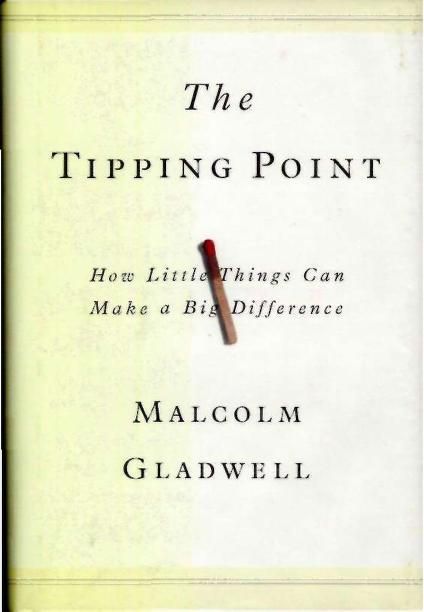
Nova: Not entirely, Atlas, but we definitely have a blind spot. Today, we’re diving into a concept we’re calling "The Network Trap: Why Connection is More Than Just Contacts." It’s a synthesis of truly groundbreaking ideas, drawing heavily from the insights of Malcolm Gladwell’s and Nicholas Christakis and James Fowler’s. These aren't just books; they're frameworks that fundamentally challenge our intuitive understanding of how the world works.
Atlas: So, it’s not just about the obvious chain of command. It’s about these hidden forces that are actually shaping everything around us. I’m already intrigued.
The Unseen Architects of Influence: Connectors, Mavens, and Salesmen
SECTION
Nova: Exactly! And the first hidden force we need to talk about involves specific kinds of people. Gladwell, in, really illuminated how social epidemics – whether it’s a fashion craze, a new idea, or even a sudden drop in crime rates – don’t just happen. They reach a 'tipping point' because of a very specific group of individuals.
Atlas: Okay, so it’s not just random chance. There are actual roles involved? Like, beyond just being popular?
Nova: Oh, absolutely. He identified three crucial archetypes. First, you have the. These are people with an extraordinary knack for knowing everyone. Think about that one person in your life who seems to have a contact for every possible situation, from finding a rare vintage car part to getting you a last-minute reservation at a booked restaurant. They’re not necessarily the most powerful, but their social circle is vast, a true hub.
Atlas: That makes sense. I can definitely think of a few Connectors in my own professional network. People who just seem to effortlessly bridge different groups.
Nova: Then there are the. These are the information specialists, the data banks. They’re not just knowledgeable; they to share that knowledge. They’re the people you go to when you need to know the absolute best way to do something, or the most reliable product to buy. They’re trusted sources, and their enthusiasm for information is contagious.
Atlas: So, if Connectors are about breadth, Mavens are about depth and credibility. I imagine a lot of our listeners, especially those who are strategic thinkers, probably resonate with the Maven role. They deeply understand a market or a technology.
Nova: Precisely. And finally, the. These aren't necessarily people in sales jobs. They’re the persuaders, the charismatic individuals who can effortlessly make you enthusiastic about an idea or a product. They have an uncanny ability to read a room, adapt their message, and make you feel what they’re feeling. They’re the ones who can turn a casual interest into genuine adoption.
Atlas: So, a Connector gets the message out far, a Maven ensures it's the right message, and a Salesman makes sure you the message. That’s a powerful combination. But what does this look like in practice? Can you give us an example where these roles were truly pivotal?
Nova: Consider the resurgence of Hush Puppies shoes in the mid-1990s. The brand was practically dead, selling only a few thousand pairs a year. Then, suddenly, sales skyrocketed. It wasn't a massive marketing campaign. It was entirely organic. Turns out, a few "Connectors" in the New York fashion scene, like designers and stylists, started wearing them simply because they were quirky and cheap. These Connectors introduced them to their vast networks. Then, "Mavens" in the fashion blogosphere started writing about how comfortable and cool they were, lending credibility. Finally, "Salesmen" – charismatic, early adopters in the downtown club scene – persuaded their friends to try them on, making them a must-have item. It wasn't a top-down decision; it was a bottom-up network phenomenon.
Atlas: Wow. So, it really wasn't the CEO of Hush Puppies orchestrating some grand scheme. It was these invisible architects within the network. That's actually pretty counterintuitive for anyone who’s used to thinking about influence in terms of formal hierarchy. It means a small group of the right people can have a disproportionately massive impact.
The Profound Ripple Effect: How Networks Shape Us
SECTION
Nova: And that naturally leads us to the second key idea we need to talk about, which often acts as a counterpoint to what we just discussed, showing how deeply ingrained these networks are. It's the profound ripple effect of our connections, how they don't just spread ideas but fundamentally shape who we are.
Atlas: Wait, you mean beyond just being influenced by my immediate friends? Like, my social network can actually change my behavior in ways I’m not even aware of?
Nova: Absolutely. Christakis and Fowler's research, detailed in, reveals that our social networks have an astonishing impact on everything from our happiness and health to our financial decisions and even our political views. And it extends far beyond our direct contacts. Your friend's friend's friend can influence you.
Atlas: My friend's friend's friend can influence me? That sounds almost... mystical! How can someone I've never met, someone two or three degrees away, have an impact on my life? I mean, for our listeners in leadership or marketing, how does this apply to understanding market dynamics or predicting what customers want?
Nova: It’s not mystical, Atlas, it’s network science. The mechanisms are powerful. Think about social norms. If your friends, and their friends, start exercising more, or eating healthier, or even just adopting a new way of thinking, those behaviors become normalized. You absorb those norms, often unconsciously. Happiness, for instance, has been shown to spread through social ties. If a close friend becomes happier, your chances of becoming happier increase by about 25%. And it ripples out.
Atlas: So, if I want to foster a healthier team culture, it's not just about what I say, but who's connected to whom, and how those connections are influencing each other? That’s massive for leadership development. It suggests that if one key person on a team starts adopting a new positive habit, it’s more likely to spread.
Nova: Precisely. It’s about emotional contagion, shared experiences, and subtle social pressure. The profound implication is that we are not isolated individuals. We are deeply embedded in a network, and that network is constantly shaping our identity, our decisions, and our well-being. It means understanding 'consumer behavior analytics' isn't just about individual preferences; it's about the social currents flowing through their networks. And predicting 'future trends in marketing' requires looking at these connections, not just individual data points.
Atlas: That's a huge shift in perspective. It means even if you're trying to make an independent decision, your network is subtly nudging you in certain directions. It's like gravity, always there, even if you can't see it.
Synthesis & Takeaways
SECTION
Nova: It truly is like gravity. So, when we combine these insights – the specific, influential roles of Connectors, Mavens, and Salesmen, and the pervasive, often invisible, ripple effect of social networks – we get a much richer understanding of power, influence, and even personal identity. It challenges us to look beyond the obvious.
Atlas: And for an aspiring leader or strategic thinker, this is gold. It’s not just about building a bigger network; it's about understanding the of that network and the of connections within it. It’s about identifying those key players.
Nova: Exactly. Think about a recent successful initiative you were involved in, Atlas. Who were the 'Connectors' and 'Mavens' that truly made it happen? Not necessarily the people with the biggest titles, but those who spread the idea, validated the information, and persuaded others to get on board.
Atlas: That’s a deep question, Nova. It really changes how you think about building a team or launching a new strategy. It's not just about the visible structure; it's about the invisible currents, the social fabric beneath it all. It makes me want to go map out my own professional network right now!
Nova: And that's exactly the kind of action we encourage. Start small this week: identify one Connector or Maven in your professional life. Observe how they operate. Learning to see these hidden networks is the first step to leveraging them.
Atlas: That’s a fantastic takeaway. For anyone who’s an adaptive learner, this is an invitation to really apply a new lens to how they see their world.
Nova: This is Aibrary. Congratulations on your growth!