

The 'Technical Debt' Trap: Why You Need Clean Code from Day One.
Golden Hook & Introduction
SECTION
Nova: Atlas, if I were to whisper "technical debt" into your ear right now, what's the first thing that springs to mind? Be honest.
Atlas: Oh, man. Technical debt. It’s like that persistent, mildly annoying cousin who always shows up uninvited to Thanksgiving, eats all your leftovers, and then leaves a passive-aggressive comment about your life choices. You know they're family, but you really wish they weren't around.
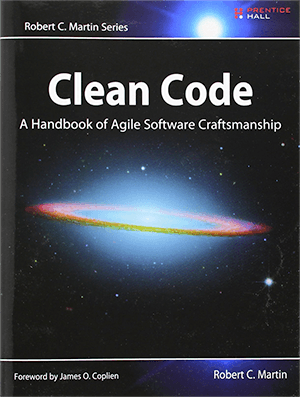
Nova: Wow, that’s a vivid image! And probably far too accurate for many of us, especially those of us building systems from the ground up, trying to keep everything humming along. Because today, we're diving deep into that very cousin – technical debt – and how to avoid the trap. We’re going to dissect it through the lens of two incredibly influential books: Robert C. Martin’s seminal work, "Clean Code: A Handbook of Agile Software Craftsmanship," and the timeless classic, "The Pragmatic Programmer: From Journeyman to Master," by David Thomas and Andrew Hunt.
Atlas: Ah, Uncle Bob and the Pragmatic Programmers. These aren't just books; they're almost sacred texts in the developer community. I know Martin is renowned for his uncompromising stance on code quality, pretty much shaping the modern understanding of what 'clean' even means. And "The Pragmatic Programmer" is practically a rite of passage for anyone serious about building robust systems.
Nova: Absolutely. Martin, often affectionately known as "Uncle Bob," has spent decades championing software craftsmanship, pushing for a level of professionalism that elevates coding from mere task execution to an art form. And "The Pragmatic Programmer" has been guiding developers for over two decades on how to take responsibility for their work and continuously improve. So, Atlas, given your cousin analogy, I think it's safe to say that technical debt isn't just an inconvenience; it’s a constant drain.
The Insidious Nature of Technical Debt: Why it's a Silent Killer
SECTION
Atlas: A constant drain is an understatement. I mean, it feels more like a slow, creeping poison sometimes. For someone trying to architect a comprehensive system, it’s not just about a few bugs; it’s about the whole foundation feeling shaky.
Nova: Exactly. Robert C. Martin, in "Clean Code," doesn't mince words. He argues that bad code isn't just a nuisance; it's a significant business liability. Think of it like this: you're building a magnificent, sprawling city. Early on, you decide to cut corners on the plumbing and electrical work in a few buildings. It seems faster, cheaper at the moment.
Atlas: Right, you get the buildings up, you declare victory. "Look how fast we built this!"
Nova: Precisely. But then, a few months down the line, a pipe bursts in one building. Then another. The electrical grid starts flickering. Suddenly, your maintenance crews are spending all their time just patching up these foundational flaws. They can't build new, innovative skyscrapers because they're knee-deep in burst pipes. That's technical debt. It slows down development, introduces bugs, and makes scaling nearly impossible.
Atlas: I can definitely relate to that. For anyone trying to build an end-to-end project, that feeling of spiraling complexity is terrifying. You start with a clear vision, but if the underlying code is messy, every new feature feels like trying to build an extension onto a house of cards. It saps your energy, your time, and your confidence in the whole system.
Nova: It’s a silent killer because it often doesn't announce itself with a loud explosion. It's that slow, insidious creep. Martin highlights how bad naming conventions make code unreadable, how bloated functions become impossible to maintain, and how haphazard error handling creates unpredictable system behavior. Each of these is a tiny, almost invisible, interest payment on that technical debt.
Atlas: Wait, so when you say "bad code is a business liability," are we talking about direct financial costs, or something more abstract? Because for an independent builder, money and time are often one and the same.
Nova: It’s both, actually. The direct financial cost comes from the increased time spent debugging, refactoring, and simply understanding existing code. Imagine paying your highly skilled engineers to decipher hieroglyphs instead of writing new, valuable features. Then there's the opportunity cost: features that don't get built, markets that are missed, and the talent drain as frustrated developers leave for cleaner pastures. For an independent architect, it’s about the wasted hours, the missed deadlines, and the sheer mental exhaustion of wrestling with something that should be a tool, not a burden. It undermines the very independence you're trying to achieve.
Architecting for Longevity: Crafting Clean Code & Pragmatic Systems
SECTION
Atlas: That makes sense. It’s a really sobering picture of the problem. So, if technical debt is this corrosive force, what’s the counter-agent? What do these books offer as the blueprint for not just avoiding it, but building something truly resilient from day one?
Nova: That’s where the magic happens, Atlas. Both "Clean Code" and "The Pragmatic Programmer" offer clear methodologies for writing high-quality, sustainable code from the outset. Martin's "Clean Code" is almost a manifesto for readability and maintainability. He gives concrete principles: things like using meaningful names for variables and functions – not just x or temp, but names that clearly communicate intent.
Atlas: I’m curious, what’s one concrete thing an independent developer can do today to start applying "meaningful names"? Because it sounds simple, but I've seen some truly baffling variable names in my time.
Nova: Absolutely. A tiny step, but a powerful one, is to ask yourself: "If someone else, or even my future self, read this variable name in six months, would they instantly understand what it represents?" If not, rename it. It's about clarity, not cleverness. Martin also emphasizes small functions, each doing one thing and doing it well. Think of them as specialized tools in a workshop, each perfectly designed for a single task, not a giant multi-tool that tries to do everything poorly.
Atlas: That makes sense. It’s like building with LEGOs instead of trying to sculpt everything out of one giant block of clay. Each piece has its place and purpose.
Nova: Exactly. And "The Pragmatic Programmer" complements this beautifully by focusing on responsibility and continuous improvement. They introduce concepts like 'Don't Repeat Yourself,' or DRY. The idea is that every piece of knowledge in your system should have a single, unambiguous, authoritative representation.
Atlas: Ah, DRY. That’s a principle I can get behind. I imagine a lot of our listeners, especially those building complex systems, have felt the pain of changing one line of code in three different places because it was copied and pasted.
Nova: That’s the classic symptom of violating DRY. When you repeat yourself, you're essentially creating multiple sources of truth, which inevitably leads to inconsistencies and bugs. It’s like having three different instruction manuals for the same machine. Which one do you trust when something goes wrong?
Atlas: That’s a perfect example. And what about 'tracer bullets'? How does that fit into building adaptable systems?
Nova: 'Tracer bullets' is a brilliant concept. Instead of trying to build a perfect, fully-featured system in one go, you build a small, end-to-end slice of functionality. It proves out the technology, the architecture, and the basic user interaction. It's not a prototype you throw away; it's the first working version that you then build upon.
Atlas: So you're saying, don't try to plan out an entire skyscraper from the ground up before you even pour the first foundation. Just build enough to prove the concept, get feedback, and then iterate. That sounds incredibly empowering for someone who values self-sufficiency, because you’re constantly verifying your approach.
Nova: Precisely. It guides you to build adaptable and resilient systems by getting rapid feedback and course-correcting early. These insights fundamentally solve the problem of spiraling complexity by providing a clear methodology for writing high-quality, sustainable code. It’s about building a system that you, the architect, can truly understand, control, and evolve, rather than one that controls you.
Synthesis & Takeaways
SECTION
Atlas: Wow, that’s a powerful distinction. It’s not just about writing code; it’s about writing code that serves your long-term vision, code that contributes to your independence as a builder, rather than chaining you to endless maintenance. It transforms coding from a reactive chore to a proactive investment.
Nova: Absolutely. Investing in clean code early is an investment in your future self and your project's longevity. It's about building a solid foundation, not just for the software, but for your own peace of mind and your ability to scale your ambitions. It prevents that slow, energy-draining corrosion of technical debt.
Atlas: That perspective is incredibly valuable. It shifts the mindset from "how fast can I get this done?" to "how robustly can I build this for the long haul?" And for anyone who wants to maintain control over their creations, that's a fundamental shift. So, for our listeners, what's one tiny, pragmatic step they can take today to start this journey?
Nova: Here’s a tiny step, straight from the pragmatic playbook: pick a small section of your current codebase. Just one function. Now, refactor it. Make it clearer, shorter, and more focused on a single responsibility. Give its variables meaningful names. This isn't about rewriting your entire project; it’s about cultivating the habit, one small, intentional improvement at a time. It's about building with care, from the ground up.
Atlas: I love that. It’s a tangible action that immediately applies these profound principles. Start small, build big, and build it to last.
Nova: That's the spirit. This isn't just about code; it's about craftsmanship and building a legacy of resilient systems.
Atlas: This is Aibrary. Congratulations on your growth!