The Empathy Advantage: Innovating Customer Experiences with Design Thinking.
Golden Hook & Introduction
SECTION
Nova: Okay, Atlas, "The Empathy Advantage" in five words. Go.
Atlas: Listen closer, innovate better, thrive.
Nova: Oh, I love that. Mine: Humans first, then everything else.
Atlas: That’s a good one too. It really gets to the core of what we’re talking about today.
Nova: Absolutely. We’re diving into a powerful approach that could fundamentally change how businesses, especially those in the service industry like restaurants, connect with their customers. We're exploring the ideas in "The Empathy Advantage: Innovating Customer Experiences with Design Thinking."
Atlas: And what’s fascinating about this whole concept of design thinking is that it didn't just emerge from product development labs. It actually gained significant traction by tackling complex human problems, from improving healthcare systems to designing effective public services, before being widely adopted in business. It's a testament to its versatility.
Nova: Exactly. And for our listeners who are deep thinkers, nurturing growth, and truly driven by impact—like our strategic innovator profile—this isn't just about business; it’s about understanding people at a much deeper level. That’s where the real magic happens.
Atlas: It makes me wonder, though, why do so many businesses, despite their best intentions, still miss the mark? They spend fortunes on market research, they run surveys, they gather data. But then their offerings still feel… generic? What’s the blind spot?
The Blind Spot of Traditional Business & The Observational Case
SECTION
Nova: That’s a brilliant question, Atlas, and it hits on "the cold fact" that opens our discussion today. Traditional business approaches often miss what customers need. And it's not for lack of trying, but often for lack of.
Atlas: I mean, that sounds counterintuitive. Aren’t surveys and focus groups designed to what customers need?
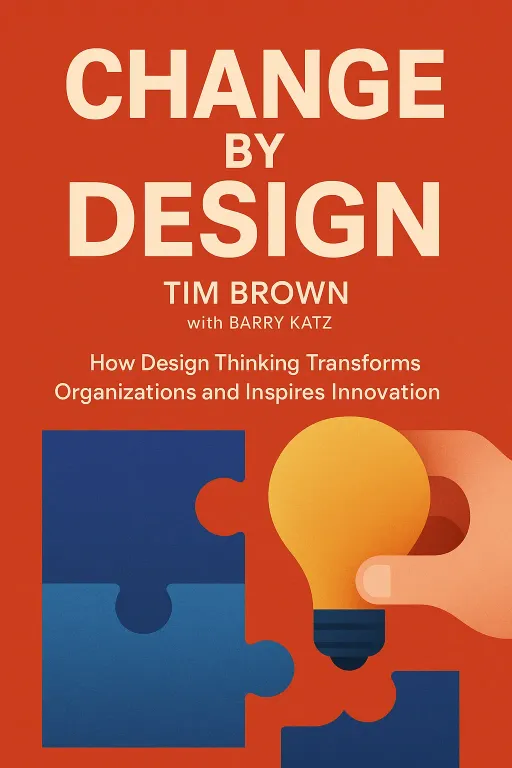
Nova: You'd think so, right? But as Tim Brown, a pioneer in design thinking and author of "Change by Design," points out, design thinking is fundamentally a human-centered approach. It's not about asking customers what features they want; it’s about understanding their underlying desires, their frustrations, their unarticulated problems. Surveys often only capture what people they want, or what they can, which is rarely the full picture.
Atlas: So, basically you’re saying that what people say and what they actually are often two different things?
Nova: Precisely. Imagine two hypothetical restaurants. Restaurant A is a traditional establishment. They send out customer satisfaction surveys: "How was your food quality? How was the service? What new dishes would you like?" They get great scores on food, decent on service, and a few requests for more vegan options. So, they add a vegan burger.
Atlas: Sounds like a sensible business decision. Fulfilling customer requests.
Nova: On the surface, yes. But Restaurant B takes a different approach. Instead of just surveys, the owner, let's call her Clara, spends an entire Saturday observing her restaurant from a customer's perspective. She sits at different tables, she watches people enter, order, eat, pay, and leave.
Atlas: Oh, I like that. Really puts her in the shoes of her patrons.
Nova: Exactly. Clara notices a young couple on a first date. They're trying to make eye contact with a waiter for what feels like ages just to get water. She sees a family with young kids struggling to fold up a stroller in a cramped entryway, juggling bags and restless toddlers. She observes a solo diner who clearly wants to read, but the lighting is too dim in one corner, and too bright, with a glare on their phone, in another.
Atlas: Wow, that’s kind of heartbreaking. These are such small moments, but they add up.
Nova: They absolutely do. Clara realizes that while her food is great, the is riddled with friction points. The vegan burger might be good, but if you can’t get a waiter’s attention, if your kids are having a meltdown in the entryway, or you can’t comfortably read while you eat, the food alone won't create loyalty.
Atlas: That makes perfect sense. For someone who’s constantly nurturing growth and looking for impact, that kind of deep observation is gold. It’s not about what they asked for, it's about what they.
Design Thinking as an Empathy Engine & The Restaurant Journey
SECTION
Nova: And that naturally leads us to the solution, Atlas. If we can't just ask, how do we? That's where design thinking really shines as an empathy engine. It’s a systematic way to tap into those unspoken needs.
Atlas: So you're saying it's more than just being "nice" to customers?
Nova: Oh, much more. It's a rigorous framework built on empathy, ideation, and rapid prototyping. Don Norman, author of "The Design of Everyday Things," talks about how good design anticipates user needs and reduces friction. Applying this to our restaurant example means designing a seamless, enjoyable customer journey from start to finish.
Atlas: Okay, so empathy isn't just a soft skill here. It's a strategic weapon. How does that translate into action, especially for someone who’s leading a team and trying to inspire them towards innovation?
Nova: It starts with truly and. Not just what they say, but what they do, what they struggle with, what delights them. It's about active listening, as our user profile suggests, but extended to active. Design thinking encourages us to immerse ourselves in the user's world.
Atlas: So, like Clara did in her restaurant?
Nova: Exactly. Her observation was the first step in the empathy phase. Then comes ideation, where you brainstorm wildly creative solutions without judgment based on those insights. And finally, rapid prototyping, where you quickly build a low-fidelity version of your solution and test it. You learn by doing, and you fail fast to succeed sooner.
Atlas: That’s a bit like building a model airplane before you build the real jet, right?
Nova: That’s a perfect analogy! You don't invest millions until you know the basic design flies. Think back to Clara's restaurant experience. After observing the couple struggling to get attention, the family with the stroller, and the solo diner, she doesn't immediately overhaul her entire restaurant.
Atlas: Hold on, so what does she do?
Nova: Well, for the couple needing water, she might prototype a small, elegant table-side card that says "Need anything? Just flip me over!" or a discreet button on the table. For the family, she might rearrange a few chairs near the entrance to create a dedicated "stroller parking" zone or even have a host actively offer assistance. For the solo diner, she might test a few adjustable lamps or even a small, complimentary reading light.
Atlas: That’s brilliant. These are tiny steps, but they address real, observed pain points. It's not a grand, expensive renovation; it's iterative.
Nova: Precisely. And that's Nova's Take from the book: by focusing on the user's journey and pain points, you can design solutions that resonate deeply and create lasting loyalty. These small, empathetic interventions create moments of delight. The customer feels seen, understood, and valued, not just served.
Atlas: I can see how that would be incredibly powerful. It’s transforming friction into delight, which really builds loyalty. How do you get a team to buy into this kind of observational, empathetic approach? It sounds like it requires a fundamental shift in perspective for everyone involved.
Synthesis & Takeaways
SECTION
Nova: That's where conscious leadership comes in, Atlas. It's about fostering a culture where every team member is empowered to be an observer, a problem-solver, and a design thinker. It’s about trusting their inner wisdom, as our user profile emphasizes, and encouraging active listening to both customers and colleagues.
Atlas: So, it's not just about applying a methodology; it's about cultivating an empathetic mindset across the entire organization. That truly aligns with a holistic approach to business, where growth isn't just about the bottom line, but about the quality of human connection.
Nova: Exactly. Real innovation isn't about chasing the next shiny object. It’s about meticulously attending to the human experience, transforming those tiny moments of friction into genuine delight. Empathy isn't a soft skill; it’s a strategic imperative that unlocks profound loyalty and sustainable growth.
Atlas: It’s a powerful reminder that at the heart of every business interaction is a human being with needs and emotions that often go unsaid. Overlooking that is the biggest blind spot of all.
Nova: Absolutely. So, for our listeners today, here’s your tiny step: next time you’re in a restaurant, a store, or even just observing people in a public space, try to observe one customer's journey from entry to exit. Note every touchpoint, every potential moment of delight, or friction. Just observe, without judgment. You might be surprised at what you uncover.
Atlas: It’s an invitation to rediscover the world through a human lens.
Nova: This is Aibrary. Congratulations on your growth!