The Strategic Storyteller: Inspiring Action Through Narrative
Golden Hook & Introduction
SECTION
Nova: Atlas, if I asked you to summarize the power of narrative, of storytelling, in just five words, what would they be? No pressure, just off the cuff.
Atlas: Oh, that's a challenge! Hmm… "Connects, clarifies, compels, changes, creates." A slightly ambitious five, but I stand by it.
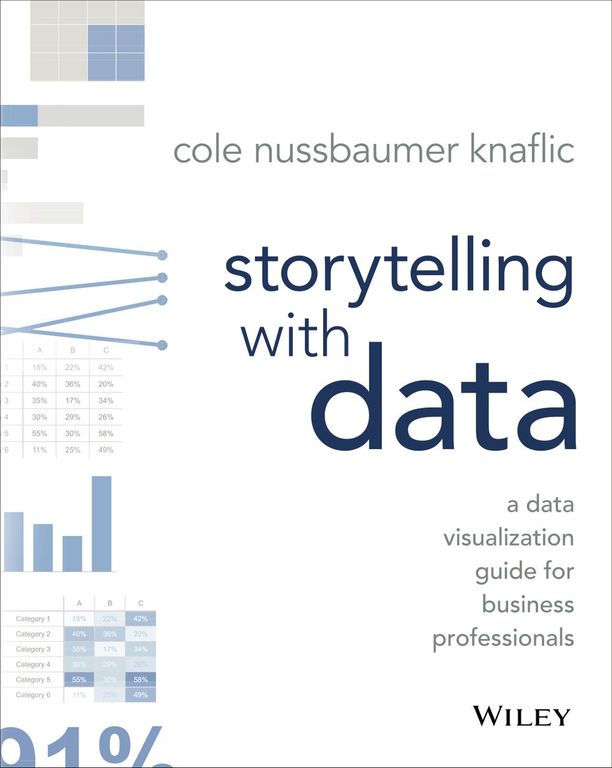
Nova: "Changes, creates" – I like that. It gets right to the heart of why we’re talking about strategic storytelling today. We’re diving into a concept that’s been championed by brilliant minds like Cole Nussbaumer Knaflic, who essentially taught the world how to make data sing, and Donald Miller, whose StoryBrand framework has helped countless organizations clarify their message. These aren't just academic theories; they're practical blueprints for communication that actually works. Knaflic, with her background in data visualization, transformed how analysts communicate, and Miller's work built on his own experience as an entrepreneur and author, making complex marketing accessible.
Atlas: And cutting through the noise is such a massive challenge for leaders, isn't it? Whether it's internal strategy or external messaging, it often feels like you're shouting into a hurricane. So, using these frameworks, how do you even begin to craft a story that people don't just hear, but actually internalize and act on?
Nova: Exactly. That's where we start: by understanding the craft behind strategic storytelling.
The Craft of Strategic Storytelling: Transforming Data and Messages
SECTION
Nova: Let's pick up on Cole Nussbaumer Knaflic's work first. Most leaders, when faced with a mountain of data – say, quarterly sales figures – they just present charts and graphs. But Knaflic argues that’s missing the point entirely. The numbers themselves don't inspire; the those numbers tell does.
Atlas: So, it’s not about displaying the data, it’s about revealing the narrative the data? For a leader looking at a spreadsheet, that can feel like trying to find a needle in a haystack. How do you actually that story in all those numbers?
Nova: It’s about shifting your perspective. Imagine a sales leader presenting quarterly results. Instead of just showing a bar chart of rising and falling numbers, they frame it as "the journey of our customer." They highlight how a peak in Q2 wasn't just a number, but the direct result of a specific cross-functional initiative that solved a customer pain point. Then, a dip in Q3 isn't just a failure, but a market shift that presented a new challenge, which the team is now actively addressing with a new strategy. The numbers become characters in a drama, showing challenges, triumphs, and ongoing efforts. The cause, the process, and the outcome are all woven into a narrative.
Atlas: Wow, that’s actually really inspiring. That’s a fundamentally different way to approach presenting information. It sounds like you’re saying it’s about asking "what happened here?" and "what does this mean?" rather than just "what are the numbers?"
Nova: Precisely. Knaflic's method emphasizes understanding your audience, defining your clear message, and then having a specific call to action. It’s about eliminating clutter from your visuals and focusing attention on what truly matters. It's a deliberate act of shaping perception.
Nova: And then we have Donald Miller, with his widely acclaimed "Building a StoryBrand." While Knaflic focuses on data, Miller provides a broader framework for any kind of message. His core idea is that customers — or, in a leadership context, your team members — are the hero of the story, not you, the company, or the product.
Atlas: Oh, I like that. So, it's about shifting perspective from "we're the experts" to "we're here to help win." That sounds like it could dramatically change how leaders communicate vision. But for a leader creating a strategy, it’s easy to get caught up in the 'what' rather than the 'who' it serves. How do you make that switch effectively?
Nova: It’s about applying his 7-part framework. Think of it like this: your team is the 'character' who encounters a 'problem.' You, as the leader, become the 'guide' offering them a 'plan' to overcome that problem. This plan leads to 'success' and helps them avoid 'failure.' So, if a company is rolling out a new, potentially disruptive strategy, instead of presenting it as a top-down mandate, they reframe it. The team is the hero facing the problem of outdated processes or market stagnation. Leadership is the guide offering the new strategy as the plan to achieve the success of greater efficiency and growth, thereby avoiding the failure of being left behind.
Atlas: That’s a great way to put it. It turns a dry strategic document into a journey the team embarks on, with a clear purpose and a role for everyone. It makes the 'why' infinitely clearer.
The Leader as the Storyteller: Embodying Vision and Inspiring Action
SECTION
Nova: Exactly, Atlas. And that leads us perfectly into the idea that it's not just about crafting story, but about a leader the strategic storyteller themselves. Your leadership narrative isn't just what you say; it's what you embody. My take is that a leader's narrative is their most powerful tool. It's how you articulate vision, align your team, and inspire collective action.
Atlas: That sounds powerful. But I can imagine some leaders thinking, "I'm not a natural storyteller, I'm a strategist." How do you bridge that gap for someone who's analytical and focused on results? Is it about performance, or something deeper?
Nova: It's absolutely something deeper, and it’s not about performance. It’s about authenticity. Take a leader during a challenging period for their company. Instead of just issuing directives, they consistently share personal anecdotes about overcoming challenges in their own career, subtly reinforcing resilience and innovation as core values. They're not just stating values; they’re telling stories that exemplify those values, making them tangible and real for the team. A story about a small team’s creative solution to a budget cut isn't just a historical footnote; it becomes a legend that inspires others to think differently.
Atlas: So, it’s about finding the human element in every strategic move, and then making that visible through relatable experiences. That makes sense. It’s about connecting the 'why' to the 'what.' And I suppose active listening, as we often talk about, plays a huge role here too.
Nova: Absolutely. Active listening helps a leader understand the stories already living within their team—their struggles, their triumphs, their aspirations—and then weave those individual narratives into the larger organizational narrative. It's about showing, not just telling, the vision. It brings us back to that deep question: "What is the core narrative you want your team to embody, and how can you tell it more compellingly?" This isn't just about external communication, but profound internal alignment.
Synthesis & Takeaways
SECTION
Nova: So, what we’ve explored today is this dual power of storytelling: first, the craft of making your messages clear, compelling, and impossible to ignore, whether you're dealing with data or a new strategy. And second, the art of a leader embodying that narrative, making their vision a living, breathing story that inspires action.
Atlas: So, essentially, we're talking about making strategy. Moving from a logical argument to an emotional connection that drives action. It’s about building that cohesive, high-performing unit through shared understanding and purpose, which is critical for any leader aiming for tangible results.
Nova: Precisely. This directly ties into influential communication and emotional intelligence—two vital areas for any strategic leader looking to deepen their understanding of team dynamics and guide their people more effectively. Mastering storytelling isn't just a communication skill; it's a fundamental mindset shift that empowers your voice.
Atlas: For our listeners, especially those who are focused on tangible results and building high-performing teams, what's one immediate action they can take this week to start becoming a better strategic storyteller?
Nova: Here’s a simple exercise: identify one strategic goal you have for your team this quarter. Now, try to articulate it not as a directive or a bullet point list, but as a mini-story. Who is the hero? What challenge do they face? What’s the plan, and what does success look and feel like? Just practicing that reframing can be incredibly powerful.
Atlas: That’s actionable. And it sounds like it could dramatically shift how that goal is received and adopted.
Nova: It absolutely can. The stories we tell, and the stories we embody, are what move mountains.
Atlas: Indeed. This is Aibrary. Congratulations on your growth!