The Power of Story: Crafting Narratives for Impact.
Golden Hook & Introduction
SECTION
Nova: Atlas, quick quiz for you. When you hear the phrase, "The Power of Story," what's the first thing that springs to mind? Be honest.
Atlas: Oh, I love this game. "The Power of Story," huh? Hmm. Probably… a campfire, a grandparent telling a tale, or maybe some overly enthusiastic marketing pitch trying to sell me something with "emotional resonance." It’s a bit… fluffy, isn't it? Like, nice to have, but not exactly the bedrock of strategic planning or leadership.
Nova: That’s a common, and frankly, understandable first reaction. A lot of us think of story as something separate from the serious business of facts, data, and logic. But what if I told you that the very bedrock of strategic planning, of influential leadership, of making idea unforgettable, hinges entirely on mastering that "fluffy" thing?
Atlas: Okay, you've got my attention. You're saying my meticulously crafted quarterly report, packed with undeniable facts and figures, might be less impactful than, say, a well-told anecdote about a customer? That sounds almost… heretical to the "Strategic Seeker" in me.
Nova: Not heretical, Atlas, just deeply human. Today, we're diving into "The Power of Story: Crafting Narratives for Impact." It’s not a single book, but a synthesis of profound insights that reveal how strategic storytelling is not just for marketers or campfire tales. It’s a critical skill for leaders to clarify their vision, motivate teams, and make their ideas impossible to ignore. In fact, it's the missing link for anyone who wants their brilliance to actually land and make a difference.
Atlas: So, we're talking about moving beyond just things to actually people. I like that. But if I've got the facts, why isn't that enough? I mean, isn't logic supposed to win the day?
Beyond the Spreadsheet: Why Facts Alone Fall Flat
SECTION
Nova: That’s the million-dollar question, isn't it? We operate under this assumption that if we just present enough data, enough irrefutable facts, people will naturally see the light and act accordingly. But the cold, hard truth is, data and facts alone often fail to move people to action.
Atlas: That’s going to resonate with anyone who’s ever poured hours into a presentation, only to see blank stares or polite nods. So, what’s happening there? Why does the logical, data-driven approach often fall flat?
Nova: It’s because we’re fundamentally wired for narrative, not spreadsheets. Think about it: our brains evolved to understand the world through cause and effect, through characters facing challenges and finding solutions. Raw data, while essential, lacks that inherent structure. Imagine a brilliant engineer, let’s call her Dr. Anya Sharma, presenting her groundbreaking research on sustainable energy. She’s got slides full of efficiency metrics, cost-benefit analyses, projected carbon reductions—all unimpeachable. She’s speaking to a board that holds the purse strings for a multi-million-dollar initiative.
Atlas: And I can picture it now: charts, graphs, maybe a few too many bullet points. All the things a "Strategic Seeker" loves to see, in theory.
Nova: Precisely. Dr. Sharma presents her case flawlessly, technically. But at the end, the board members nod, thank her, and move on. No immediate commitment. Her data was compelling, but it didn't action. Why? Because it didn't connect emotionally or intellectually in a way that resonated beyond the numbers. It was a skeleton of truth, but not a living, breathing story.
Atlas: So, it’s not about the facts, but framing them? Like, the data tells you, but the story tells you it impacts and it matters to them?
Nova: Exactly! To truly connect and influence, you need to weave that information into a compelling narrative that resonates emotionally and intellectually. Dr. Sharma's presentation might have been transformed if she started not with the gigawatts saved, but with a vivid story of a small village in a remote area, powered by old, polluting generators, whose children suffer from respiratory illnesses. Then, she could introduce her sustainable energy solution as the hero that transforms that village, bringing clean air, light for studying, and a healthier future. Suddenly, the numbers have a human face, a tangible outcome.
Atlas: Wow. That’s actually really inspiring. It’s like the difference between reading the ingredients list for a gourmet meal versus actually tasting it. The ingredients are all there, but the experience is what sells it. So, for the "Insightful Builder" who needs to rally a team around a new product or strategy, it's about painting that picture of the future, not just listing the features.
Nova: Precisely. Nova's Take is that strategic storytelling is not just for marketers; it's a critical skill for leaders to clarify their vision, motivate teams, and make their ideas unforgettable. It provides context, meaning, and a sense of shared purpose that raw data simply cannot. It touches the part of our brain that understands empathy, aspiration, and challenge.
Atlas: I guess that makes sense. We remember stories far more easily than we remember statistics. It’s why fables and myths have endured for millennia, but I couldn't tell you the exact GDP of ancient Rome without looking it up. So, if we accept that stories are essential, how do we actually them? Is there a blueprint for someone who feels like they're more comfortable with a pivot table than a plot twist?
The Architect's Blueprint: Structured Storytelling for Impact
SECTION
Nova: Absolutely, Atlas! And that naturally leads us to the second key idea: that this isn't some mystical art form reserved for novelists. It's a strategic skill with practical, learnable frameworks. We’re talking about architects' blueprints for narrative.
Atlas: Okay, so less 'Shakespeare' and more 'IKEA instructions for building impact.' I can work with that. For the "Insightful Builder" in me, frameworks are gold. What are we looking at?
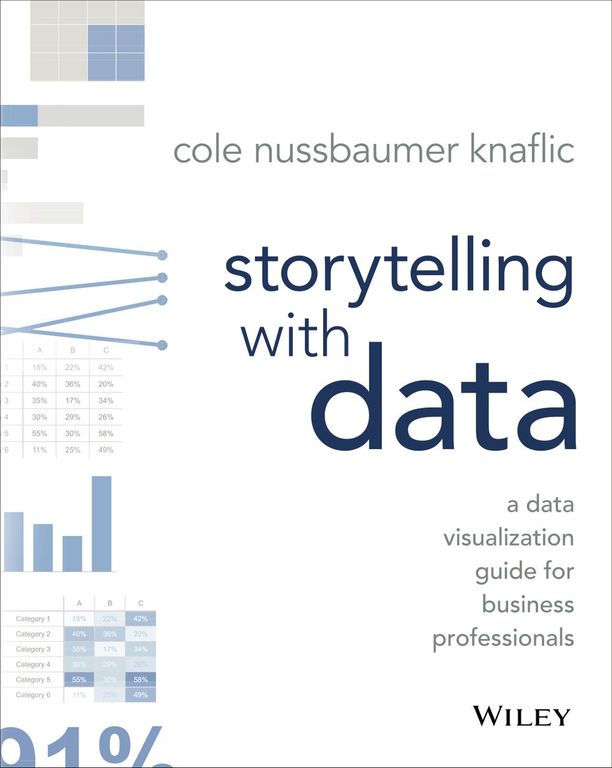
Nova: Two brilliant minds offer fantastic starting points. First, we have Cole Nussbaumer Knaflic and her book, "Storytelling with Data." Knaflic shows how to transform dry data into clear, impactful stories that guide your audience to insights. She argues that even the most complex information can be made understandable and actionable if you frame it correctly.
Atlas: So, it’s not just about making pretty charts, but making charts that you something?
Nova: Exactly. Imagine a project manager, let's call him Ben, presenting a complex workflow optimization plan. Instead of just showing before-and-after process maps, Knaflic would advise him to start with the "before" – a story of frustration. "Our team was drowning," he might say, "spending 20% of their time on redundant tasks, leading to burnout and missed deadlines." He’d show a simple, stark chart of that time drain, then introduce the new workflow not as a diagram, but as the "solution" that brought clarity, efficiency, and—most importantly—gave his team back their evenings. He might even include a quote from a team member about how their stress levels plummeted. This makes complex information understandable and actionable because it ties the data directly to a human experience and a positive outcome.
Atlas: Ah, I see. So the data is still there, but it's serving the story, not just existing in a vacuum. It's about finding the human element in the numbers. The data tells you, but the story tells you and it matters. It’s a bridge between the analytical and the emotional.
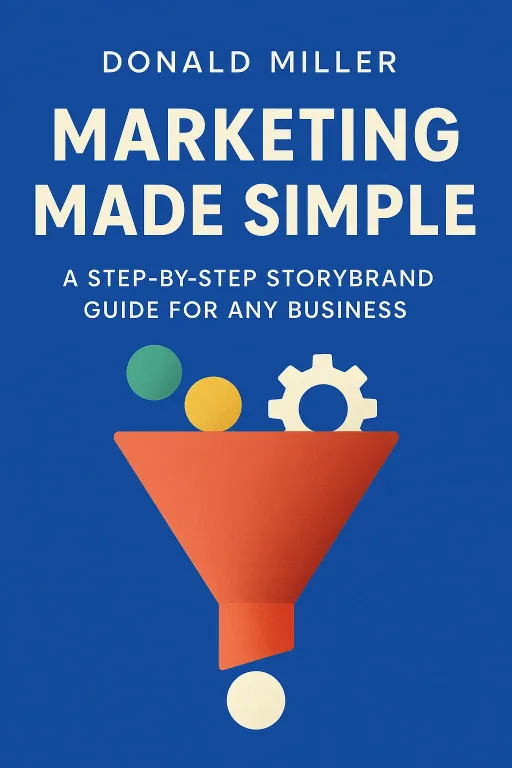
Nova: Precisely. And then we have Donald Miller's "Building a StoryBrand." Miller presents a seven-part framework for creating clear, customer-centric messages. This helps you position your product or service—or even your leadership vision—as the guide that helps customers, or your team, overcome their challenges. He boils it down to seven universal plot points: a character, with a problem, meets a guide, who gives them a plan, and calls them to action, which ends in either success or failure.
Atlas: That sounds a bit like an ancient epic poem, or a blockbuster movie. But how does a leader use that to clarify their vision internally? Is my team the 'hero' and the market challenge the 'villain'? That sounds a bit… dramatic for a board meeting.
Nova: It might sound dramatic, but the underlying structure is incredibly powerful. Think of it this way: your team the hero, facing the "villain" of market disruption, or an ambitious project deadline, or a competitor. As the leader, are the guide, offering the "plan"—your strategic vision—and calling them to action. The desired "success" is achieving your goals, fostering innovation, or delivering that critical product. This framework helps you articulate not just you're doing, but it matters to the people doing the work, and what the ultimate positive outcome looks like for.
Atlas: So it’s about making the team the central character in a compelling narrative, rather than just cogs in a machine. That’s a powerful shift for "Mindful Leadership," connecting individual purpose to collective impact. It moves from "you need to do this task" to "together, we are overcoming challenge to achieve incredible future."
Nova: Exactly. These frameworks transcend marketing. They are tools for internal communication, for vision casting, for team motivation. They make your ideas unforgettable because they tap into universal human experiences of challenge, struggle, and triumph. They turn abstract concepts into tangible journeys.
Synthesis & Takeaways
SECTION
Nova: So, what we've really been exploring today is how to bridge that crucial gap between having brilliant ideas and actually making them stick, making them matter, and driving real action. It's about understanding that while data provides the truth, story provides the meaning.
Atlas: And for the "Purposeful Achiever," that’s huge. It’s not enough to just achieve; you need your achievements to resonate, to inspire, to build something lasting. If we want our ideas to stick, to truly make an impact and build something lasting, we have to become master storytellers. It's not optional, it's fundamental to influence. It’s the difference between a fleeting moment of understanding and a lasting conviction.
Nova: Absolutely. And the best part is, it’s not some innate talent you either have or don't. It's a skill you can cultivate. So, here’s a tiny step for all our listeners out there, especially our "Strategic Seekers" and "Insightful Builders": Take a recent presentation or report you’ve worked on. Pick one key insight, just one. Now, reframe it as a simple story. Focus on the challenge that insight addresses, the solution it offers, and the positive outcome it creates.
Atlas: Just five minutes of reflection to find that narrative thread can transform how your message lands. It's about building bridges of understanding, not just throwing facts over a wall. It’s about making your work not just smart, but truly impactful and memorable.
Nova: Because in a world overflowing with information, the only way to truly stand out, to truly lead, and to truly inspire, is to master the power of story. It's how we make sense of the world, and it's how we change it.
Atlas: That's actually really inspiring. It’s about making our ideas not just heard, but felt.
Nova: Precisely.
Nova: This is Aibrary.
Atlas: Congratulations on your growth!