The Power of Narrative: Crafting Stories That Resonate and Inspire Action
Golden Hook & Introduction
SECTION
Nova: You know, Atlas, I've been thinking about this idea that we're all, in a way, living out our own epic sagas. Not the kind with dragons and ancient prophecies, but the everyday battles, the triumphs, the constant search for meaning.
Atlas: Oh, I like that. So, you're saying my quest for the perfect cup of coffee this morning was, in fact, a heroic journey? Because it certainly felt like it. The stakes were high, Nova. Very high.
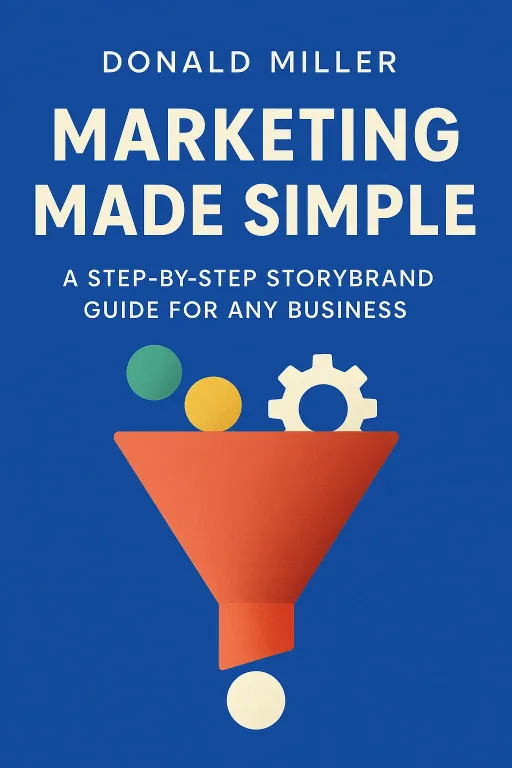
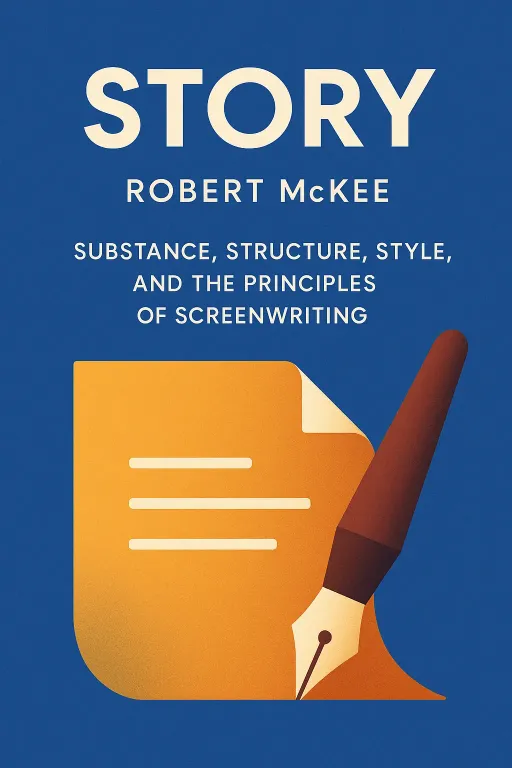
Nova: Absolutely! And that's precisely what we're unraveling today. We're diving into "The Power of Narrative: Crafting Stories That Resonate and Inspire Action," drawing insights from two phenomenal books: "Story" by the legendary screenwriting instructor, Robert McKee, and "Building a StoryBrand" by Donald Miller. McKee, for instance, isn't just teaching Hollywood writers; he's dissecting the universal DNA of compelling human attention, the very structures that make us lean in.
Atlas: Ah, Robert McKee. The guru whose seminars aspiring screenwriters would literally mortgage their homes to attend. It's fascinating how his work, so deeply rooted in cinema, has such profound implications for, well, everything else. You’re telling me the secrets to a blockbuster movie can also help me explain my quarterly report?
Nova: Precisely! And Miller, with "Building a StoryBrand," takes that narrative power and hands it directly to businesses, showing them how to position their customers as the heroes of their own stories. It’s about clarity, impact, and connecting on a deeply human level.
Atlas: So, we’re talking about more than just entertainment here. We’re talking about unlocking the human operating system, essentially. Making sure our message doesn't just get heard, but.
The Universal Human Wiring for Story
SECTION
Nova: Exactly. The core take from both these works, and something we deeply resonate with here at Aibrary, is that humans are profoundly wired for stories. It’s not just a preference; it's how our brains process information, remember facts, and even make decisions. Think about it: since the dawn of humanity, we’ve gathered around campfires, sharing tales, not bullet points.
Atlas: That makes sense. I mean, if you tell me a list of facts, I might remember three. But if you tell me a story with those facts woven in, I’ll probably recount it to someone else later. It’s like our brains have a special "story" folder, and everything else just gets tossed in the "miscellaneous" bin.
Nova: It’s more than just memory, though. McKee, in "Story," really drills down into how narratives create meaning. He argues that story is how we make sense of our chaotic existence. It imposes order, reveals cause and effect, and allows us to simulate experiences and learn without having to live through them ourselves. He talks about how a true story is a metaphor for life. When we engage with a well-crafted narrative, we are, in a sense, rehearsing for life's challenges.
Atlas: So, it's not just about what happened, but what it? That’s actually really inspiring. It means every anecdote, every conversation, every presentation has the potential to be a miniature life lesson if framed correctly. But how does that connect with Miller's idea of positioning the customer as the hero?
Nova: That’s where the magic really happens for practical application. Miller’s "StoryBrand" framework builds directly on this innate human wiring. He identifies seven universal story elements that resonate with everyone: a character who wants something, encounters a problem, meets a guide, gets a plan, takes action, avoids failure, and achieves success. His genius is in saying, "Your customer is the character. Your brand is the guide."
Atlas: Oh, I get it. So, instead of me, the business owner, being the hero who built this amazing product, I need to flip the script. My product isn't the star; it's the magical sword or the wise mentor that helps conquer dragon.
Nova: Exactly! Think of it like this: if your customer is Frodo Baggins, your brand isn't Mount Doom, it's Gandalf. Gandalf doesn't carry the ring; he guides Frodo. This shift in perspective is incredibly powerful because it immediately taps into the customer’s self-interest, their aspirations, their pain points. It makes your message about, not about.
Atlas: That’s a common mistake, isn't it? Businesses talking endlessly about their features, their history, their awards, instead of addressing the customer's actual struggle or desired transformation. I imagine a lot of our listeners, who are trying to communicate effectively, might be making that very mistake, focusing on their "expertise" rather than the audience's "journey."
Nova: Absolutely. And McKee would argue that even in a non-business context, if you're trying to communicate an idea, you need to think about your audience as the "character" who needs to understand or act on that idea. What's their "want"? What's their "problem" in understanding it? How are you, the communicator, the "guide" providing the clarity or the solution?
Crafting Compelling Narratives: Problem, Guide, Plan
SECTION
Nova: Let's dive deeper into Miller’s framework because it gives us a really concrete way to apply these narrative principles. He emphasizes that every good story starts with a problem. Not just any problem, but a problem that is clear, relatable, and creates tension for the hero.
Atlas: So, if I'm selling, say, a time-management app, the problem isn't just "people are busy." It needs to be more specific, more visceral. Like, "You're constantly stressed, missing deadlines, and feel like you're drowning in emails." Is that the kind of problem we're talking about?
Nova: Precisely. It needs to be a problem that keeps your hero, your customer, awake at night. Miller identifies three levels of problems: external, internal, and philosophical. The external problem is often the obvious one – "I need a better time-management system." But the internal problem is the emotional one – "I feel overwhelmed and inadequate." And the philosophical problem is the deeper injustice – "I believe life shouldn't be this chaotic; I deserve peace of mind." A great story addresses all three.
Atlas: Wow, that’s a powerful distinction. So, the time-management app isn't just solving the external problem of missed deadlines; it's solving the internal problem of feeling overwhelmed, and the philosophical problem that life shouldn't be a constant scramble. That’s a fundamentally different way to approach marketing.
Nova: It fundamentally reframes communication. Once you've clearly articulated the hero's problem, the next crucial element is the guide. This is where your brand, your product, your message comes in. The guide has two key characteristics: empathy and authority.
Atlas: Empathy and authority. That makes sense. The guide isn't just a know-it-all; they understand the hero's struggle. Like Gandalf knowing the burden of the Ring.
Nova: Exactly. Empathy communicates, "I understand your pain." Authority communicates, "I know how to help you solve it." Miller advises against positioning your brand the hero, because if you're the hero, what's left for the customer to do? The guide never steals the hero's thunder. The guide empowers the hero.
Atlas: That’s a really subtle but vital point. It’s not about me being the smartest; it’s about me being the most helpful. So, once the guide establishes empathy and authority, they offer the hero a plan. A clear, simple, step-by-step path to success.
Nova: Yes, the plan is critical. People don't buy products; they buy solutions to problems. And they need to understand your solution will work. Miller suggests two types of plans: a process plan and an agreement plan. A process plan outlines the steps the customer will take with your brand. An agreement plan clarifies the values or principles you share. Both build trust and reduce friction.
Atlas: So, for my time-management app, the process plan might be: "Download the app, set your priorities, track your progress." And the agreement plan could be: "We believe your time is precious, and you deserve to feel in control."
Nova: You've got it. The clearer the plan, the more confident the hero feels about taking action. And that action is what ultimately leads to their transformation, their success. This narrative approach transforms passive consumers into active participants in their own success story, with your brand as their trusted companion. It's about empowering them, not just selling to them.
Synthesis & Takeaways
SECTION
Nova: So, what we’ve really unpacked today, from McKee's universal story structures to Miller's practical StoryBrand framework, is that narrative isn't just a nice-to-have; it's a fundamental operating system for human connection and influence. Mastering narrative isn’t about being manipulative; it’s about being clear, memorable, and deeply impactful. It's about understanding that every human being is the hero of their own unfolding story.
Atlas: And our role, whether we're communicating an idea, selling a product, or simply trying to connect with someone, is to understand their story, identify their problem, and then position ourselves as the guide who offers a clear path to their success. It's a profound shift from "look at me" to "I can help you." I imagine a lot of our curious listeners, who are always seeking to refine their communication and impact, will find this reframing incredibly useful.
Nova: Absolutely. The "tiny step" we want to leave everyone with today is this: think about your most important message. Can you reframe it so your audience is the hero and you are simply the guide helping them overcome a challenge? What's their primary internal problem? What's the simple plan you can offer?
Atlas: Because when you make your audience the hero, you don't just share information; you spark transformation. You don't just communicate; you inspire action. And that, Nova, is the true power of narrative.
Nova: It’s about crafting stories that don't just resonate, but inspire.
Atlas: This is Aibrary. Congratulations on your growth!