The Narrative Advantage: How to Build Compelling Content Without Burnout.
Golden Hook & Introduction
SECTION
Nova: Atlas, rapid-fire word association for you. Ready?
Atlas: Oh, I like that! Always ready for a linguistic sprint, Nova. Lay it on me.
Nova: Data.
Atlas: Numbers, spreadsheets, maybe a headache, definitely a pie chart.
Nova: Story.
Atlas: Campfires, epic quests, that one time I got lost in the woods... long story.
Nova: Marketing.
Atlas: Noise, algorithms, that ad for something I just thought about five minutes ago.
Nova: Burnout.
Atlas: My Tuesday mornings. Kidding! Mostly. Overwhelm, exhaustion, staring blankly at a screen.
Nova: Excellent! You've just perfectly encapsulated the tension at the heart of our discussion today. We're diving into a fascinating new perspective that bridges those very concepts, found in "The Narrative Advantage: How to Build Compelling Content Without Burnout."
Atlas: That title alone sounds like a lifeline for anyone swimming in the digital marketing ocean. What's the core idea here, Nova?
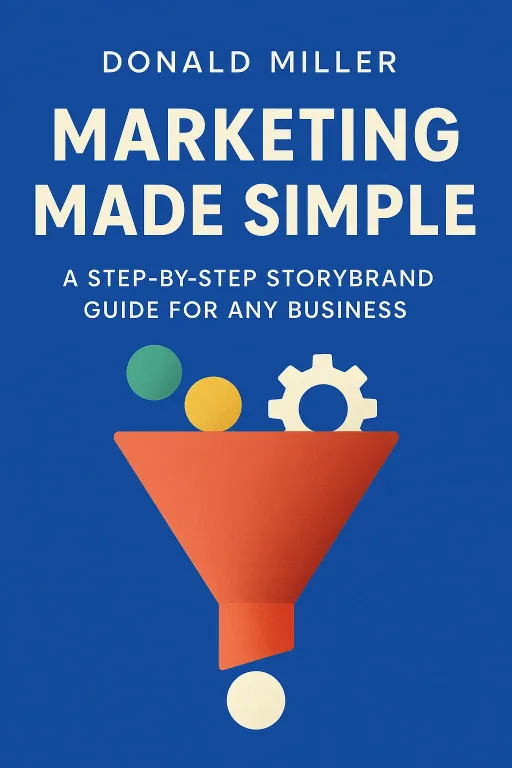
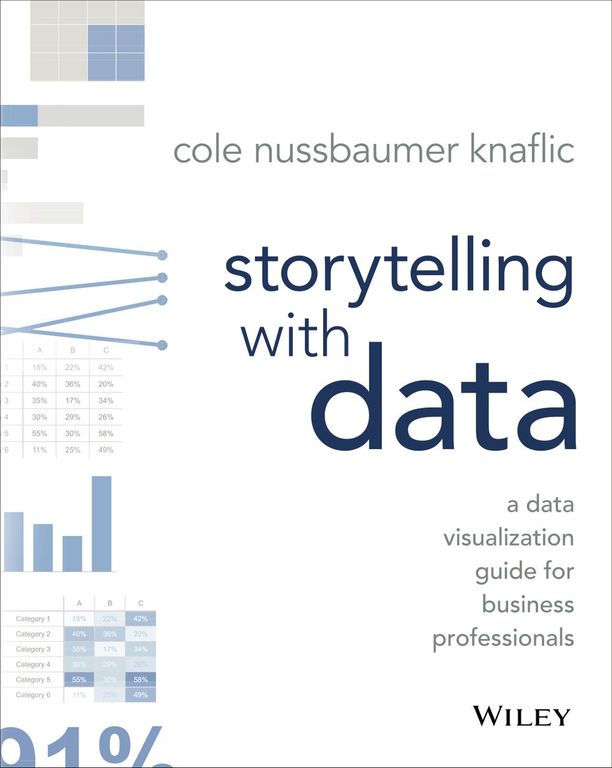
Nova: It's all about transforming raw data and complex ideas into clear, impactful stories that drive connection and conversion. This book distills the wisdom from heavy hitters like Cole Nussbaumer Knaflic, author of "Storytelling with Data," and Donald Miller, who gave us "Building a StoryBrand." It really takes their proven frameworks and shows you how to apply them, not just for presentations, but for all your content.
Atlas: That makes me wonder, though. For a lot of our listeners who are pragmatists and strategists, building content isn't just about feeling good, it's about measurable impact. Is this just about making things sound nice, or does it actually move the needle?
The Storytelling Imperative: Why Data Alone Isn't Enough
SECTION
Nova: That's a fantastic question, Atlas, and it gets right to the core of Knaflic's argument in "Storytelling with Data." It's not about making things "sound nice." It's about ensuring your insights actually. Think of it like this: you could have the most meticulously drawn, accurate map in the world, with every contour line and elevation perfectly charted.
Atlas: Sounds like my kind of map. Precise. Detailed.
Nova: Exactly! But if that map is just a jumble of lines and symbols to someone who needs to navigate, it's useless. They're lost, even with perfect data. Knaflic makes the case that data alone, no matter how brilliant, often falls flat without a narrative to guide your audience through it.
Atlas: Wait, so you're saying if I present a killer marketing report with all the right metrics, but I don't tell a story around it, it could just... get lost? Even if the data clearly shows success?
Nova: Absolutely. The cold fact is, if you can't tell a compelling story, your message gets lost. Your content needs to resonate deeply to drive action. Knaflic shows how to move beyond merely presenting data points. It’s about crafting a narrative that guides your audience from "here's what happened" to "here's why it matters" and "here's what we should do next." It’s about making your insights unforgettable, not just available.
Atlas: I can definitely relate to that. I've seen countless presentations where the presenter just dumps a ton of data on a slide, and everyone nods politely, but then nothing actually changes. It’s like they assume the numbers speak for themselves.
Nova: And they rarely do, not effectively anyway. Knaflic argues that humans are wired for stories. We remember sequence, cause and effect, characters, and emotional arcs. When you present data without that narrative structure, you're asking your audience to do a lot of cognitive heavy lifting to connect the dots themselves, and often, they simply won't. They're busy. They're distracted. You have to make it easy for them to grasp and internalize.
Atlas: So, for our listeners who are trying to quantify their impact with digital marketing analytics, this isn't just about pretty charts. It’s about making those charts. It's about influencing decisions.
Nova: Precisely. It’s intentional design and clear communication. Knaflic's methodology is highly practical, focusing on choices we make as communicators: what to show, what to highlight, how to sequence information, and what words to use to frame the insights. It's about transforming raw data into a persuasive argument, not just an informational dump.
Crafting the Unforgettable Narrative: From Data to Brand Story
SECTION
Nova: And this naturally leads us to the second key idea we need to talk about, which often acts as the strategic layer on top of Knaflic's data storytelling: Donald Miller's "Building a StoryBrand." While Knaflic gives us the tools to tell stories our data, Miller gives us the blueprint for the of story we should be telling, especially in marketing and branding.
Atlas: Oh, I know that feeling. I’ve been thinking about how to clarify my own message for a while now. It feels like everyone is shouting, and it’s hard to cut through the noise. What’s Miller’s big secret to making customers listen?
Nova: Miller provides a proven framework for clarifying your message so customers listen, and it's deceptively simple. He says that most businesses make the fundamental mistake of positioning their as the hero of the story. They talk about how great they are, their features, their history.
Atlas: Sounds pretty standard to me. "Look at us, we're amazing!"
Nova: Right? But Miller flips that script. He says your customer, your audience, are the hero. Your brand, your product, your service—that's the wise guide who helps the hero overcome their challenge and achieve success. It's the Yoda to Luke Skywalker, not Luke Skywalker himself.
Atlas: That’s a great analogy! So, instead of saying, "We have the best AI-powered marketing solution with 20 features," you'd say something like, "Are you overwhelmed by endless marketing tasks? Our AI solution helps you conquer that chaos and achieve your goals."
Nova: Exactly! That second one resonates because it immediately speaks to the hero's problem and offers a path. It helps you position your brand as the guide, not the hero. This framework clarifies your message, making it incredibly easy for potential customers to understand how you can help them. It cuts through the fog of confusion.
Atlas: I can see how that would definitely help with burnout too, not just for the audience, but for the content creators themselves. If you have a clear StoryBrand framework, you’re not constantly reinventing the wheel trying to figure out what to say. You have a consistent narrative.
Nova: Absolutely. It brings intentionality to your content design. When you know your customer's problem, what they want, and how you guide them to get it, your messaging becomes laser-focused. This clarity isn't just impactful for the audience; it streamlines your content creation process, reducing that feeling of constantly grasping for new angles or struggling to articulate your value. It’s about working smarter, not harder, which directly combats the "burnout" part of "The Narrative Advantage."
Atlas: So, these insights from Knaflic and Miller, as laid out in "The Narrative Advantage," essentially help you transform raw data and complex ideas into clear, impactful stories that drive connection and conversion, and do it efficiently. It sounds like a formula for staying relevant and impactful in a noisy world. How do they tie it all together?
Synthesis & Takeaways
SECTION
Nova: They tie it together by showing that these aren't isolated skills. They're two sides of the same coin: effective communication. Knaflic teaches us to make our data-driven insights, while Miller teaches us to make our overall brand message. "The Narrative Advantage" isn't just about being a good storyteller; it's about leveraging the power of story to achieve strategic business outcomes without the constant struggle that leads to burnout.
Atlas: That’s actually really inspiring. It means even if you're deep in the weeds of digital marketing analytics or AI fundamentals, you can't neglect the human element of communication. It's the bridge from information to influence.
Nova: And that's the profound insight. Data gives you the facts, but story gives those facts meaning and emotional resonance, which is what truly drives human action. It's about sparking critical thinking and self-reflection in your audience, making them feel seen and understood.
Atlas: So, for our action-oriented listeners who want to apply this immediately, what's a tiny step they can take today?
Nova: Here's a tiny step from "The Narrative Advantage": Take your most recent marketing report or a piece of content you're struggling with. Identify the core problem you're solving for your audience. Then, outline a simple story structure around it: what was the hero's initial state, what challenge did they face, how did your insights or product act as the guide, and what was the successful outcome? Just that simple reframing can unlock immense clarity.
Atlas: That’s a perfect example of immediate application. It's about starting small to build that narrative muscle.
Nova: Exactly. It's a powerful way to future-proof your content and ensure your message not only reaches but truly resonates with your audience.
Atlas: This is Aibrary. Congratulations on your growth!