Crafting Your Narrative: The Power of Personal Storytelling
Golden Hook & Introduction
SECTION
Nova: Atlas, if I told you that the secret to becoming a truly magnetic speaker, a leader people naturally follow, and even a brand that customers obsess over, wasn't about having the best product or the most impressive data, but about something far more ancient and deeply human, what would you say?
Atlas: Oh, I'd say you've either just watched a fantastic documentary or you're about to tell me it all boils down to storytelling. Am I close?
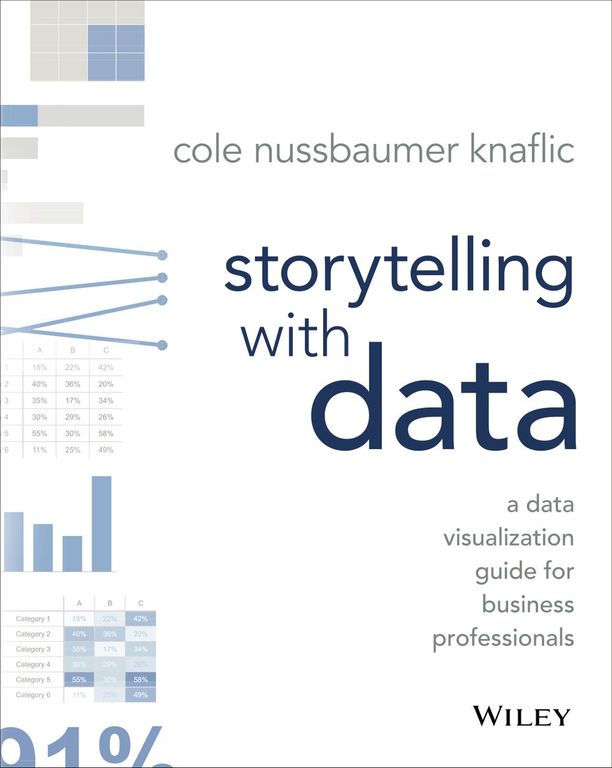
Nova: You are absolutely warm, my friend! In fact, you're practically scorching. Today, we're diving into the profound power of crafting your narrative, drawing insights from two phenomenal books: "Storytelling with Data" by Cole Nussbaumer Knaflic and "Building a StoryBrand" by Donald Miller.
Atlas: Those are two powerhouses. Knaflic, for anyone who's ever drowned in a sea of spreadsheets, gives us a lifeline, showing how to turn numbers into compelling narratives. And Miller, well, he’s like the Yoda of marketing, teaching us how to make our audience the hero.
Nova: Exactly. And what's fascinating is that Knaflic, a former Google People Analytics manager, really honed her craft in an environment where data could easily become overwhelming. She saw firsthand how much insight was lost because it wasn't communicated effectively. Her approach is a direct antidote to the dreaded "data dump" presentation.
Atlas: Right, because for so many of us who are trying to make a point, whether it's in a budget meeting or pitching a new idea, we think more data equals more convincing. But it often just means more confusion.
Nova: Precisely. And that brings us perfectly to our first deep dive: the art of transforming raw information into an irresistible narrative. It’s about more than just making pretty charts; it’s about making your audience the data.
The Art of Data Storytelling
SECTION
Atlas: So, Nova, if we're moving beyond just throwing numbers at people, what's Cole Nussbaumer Knaflic's secret sauce for making data truly sing?
Nova: Her core insight, Atlas, is that effective data communication isn't about data; it's about data. She argues that we need to stop thinking like analysts presenting findings and start thinking like storytellers guiding our audience through a journey.
Atlas: Okay, so guide me through this journey. What’s the first step in turning a boring bar chart into something that actually resonates?
Nova: It starts with understanding your audience and what you want them to after seeing your data. Knaflic gives this fantastic example of a medical professional trying to convince hospital administrators to invest in a new piece of equipment. The professional initially presented a dense report full of technical specifications, cost-benefit analyses, and clinical trial results. It was all accurate, all important, but it fell flat.
Atlas: I can picture it. Administrators glazing over, thinking about their next meeting.
Nova: Exactly. So, Knaflic coached her to reframe it. Instead of starting with the data, she started with a patient’s story. Imagine this: she begins by describing Mrs. Henderson, an elderly woman who came into the ER with a specific condition. She paints a vivid picture of Mrs. Henderson’s pain, the uncertainty, the anxious family. Then, she introduces the current diagnostic process—slow, invasive, uncomfortable.
Atlas: Oh, I see where this is going. Suddenly, the abstract problem of "diagnostic efficiency" becomes Mrs. Henderson's suffering.
Nova: Bingo! Then, and only then, does she introduce the new equipment, not as a piece of technology, but as the in Mrs. Henderson's story. She explains how it would have allowed for a quicker, less invasive diagnosis, reducing Mrs. Henderson's pain and accelerating her recovery. The data points about accuracy and cost savings are then woven in, not as standalone facts, but as supporting evidence for how this equipment.
Atlas: That’s brilliant. Because now, the administrators aren't just looking at numbers; they're seeing Mrs. Henderson's face, feeling her family's relief. It’s no longer about a line item; it’s about human impact.
Nova: It’s a complete paradigm shift. Knaflic emphasizes removing clutter from your visuals, focusing attention on the key message, and choosing the right visual for the story you want to tell. She even talks about using color strategically, not just for aesthetics, but to highlight what's most important. It's about empathy, even when dealing with cold, hard numbers.
Atlas: That resonates so much with anyone trying to get buy-in for a project. It’s not just about the technical specs; it’s about the and the it helps. So, it's about making the data relatable.
Nova: Absolutely. And that relatability isn't just for internal stakeholders. It's crucial for external audiences too, which brings us to our next point with Donald Miller.
Building Your StoryBrand
SECTION
Nova: So, if Knaflic teaches us how to make data sing, Donald Miller, in "Building a StoryBrand," teaches us how to make our resonate by positioning our audience, not ourselves, as the hero.
Atlas: That's a huge shift for many businesses. Most companies spend so much time talking about: "We're innovative, we're the best, we have this feature, that feature..."
Nova: And Miller would say that's a recipe for obscurity. He posits that every great story follows a universal framework, and if businesses want to connect, they need to plug their brand into that narrative. He breaks it down into seven parts, but the most crucial is this: the customer is the hero, not your brand. Your brand is the.
Atlas: The guide, not the hero. That's powerful. Can you walk me through an example of how this reframes a typical business message?
Nova: Think about a company selling, say, accounting software. A traditional approach might be: "Our software has advanced AI, automates 90% of tasks, and integrates with 50 different platforms." It's feature-heavy, right?
Atlas: Very. And for a listener who's an efficient explorer, like many of our audience, that might sound good on paper, but it doesn't anything.
Nova: Exactly. Miller’s StoryBrand framework would flip that. It starts by identifying the. The hero isn't the software; it's the small business owner, overwhelmed by invoices, terrified of tax season, feeling like they're drowning in paperwork. That's their internal problem: the feeling of being out of control, stressed.
Atlas: So, the first step is to empathize with that pain. "Are you tired of late nights hunched over spreadsheets?"
Nova: Precisely. Then, your brand—the accounting software—steps in as the. It offers a clear, simple plan: "Our software provides a clear dashboard, automatic categorization, and one-click reporting." It’s not about the AI; it’s about the to their problem.
Atlas: And the call to action, then, is not "Buy our software," but "Click here to reclaim your evenings."
Nova: You got it! And the ultimate success, the "happy ending," isn't just about successful accounting; it's about the hero-customer saving time, reducing stress, and finally having peace of mind to focus on what they love about their business. It’s about transformation. Miller's whole premise is: clarify your message so customers understand how you can help them survive and thrive. He talks about how the human brain is constantly trying to conserve calories, so if your message is confusing, people will simply ignore it.
Atlas: That makes so much sense. For someone who values efficiency, like many of our listeners, a convoluted message is just noise. It’s not just about being clear; it’s about being so clear that it requires no mental effort to understand.
Nova: And that clarity, Atlas, is what drives engagement. Whether you’re presenting data to a board or marketing a product to a customer, making them the protagonist in a story where you are the helpful guide is incredibly powerful. It fosters connection and makes your message unforgettable.
Synthesis & Takeaways
SECTION
Atlas: So, Nova, we've talked about Cole Nussbaumer Knaflic making data compelling and Donald Miller making brands magnetic. It feels like they're both tapping into something fundamental about human psychology.
Nova: They absolutely are. At their core, both books are about influence and connection, and they show us that the most powerful tool for both is narrative. Knaflic essentially argues that data, without a story, is just noise. Miller says a brand, without a story, is just a product.
Atlas: And for our listeners, the efficient explorers and empathetic analysts, this isn't just about business. It's about personal growth, too. How can someone apply these insights to, say, reframing a complex personal project?
Nova: That's the beauty of it. Imagine you have a complex personal goal—let's say, learning a new, unrelated skill, as our user profile suggests. Instead of listing out all the steps and potential hurdles, which can feel daunting, frame it as a story. You are the hero. What's the problem you're trying to solve? Maybe it's a feeling of stagnation, or a craving for creative expression.
Atlas: And the new skill is the guide, offering a path to transformation.
Nova: Exactly! You outline the challenge, the steps you'll take, and the desired outcome—not just the skill itself, but the feeling of accomplishment, the new perspectives gained, the well-being. Suddenly, it’s not a chore; it’s an adventure.
Atlas: So, whether we're talking about spreadsheets, marketing, or even our own life goals, the lesson is clear: if you want to be understood, if you want to inspire action, you need to tell a story. You need to make your audience, or even your future self, the hero of that narrative.
Nova: And remember, the story doesn't have to be epic in scale. It just needs to be human. It needs a problem, a guide, a plan, and a successful outcome. It's about making the complex accessible, the abstract tangible, and the impersonal deeply personal.
Atlas: That’s a truly profound way to put it. It’s about moving from just conveying information to creating understanding and connection.
Nova: This is Aibrary. Congratulations on your growth!