Crafting Your Narrative: Elevating Your TikTok Shop with Storytelling
Golden Hook & Introduction
SECTION
Nova: Most businesses think their product is the hero of their story. And honestly, if that's your mindset, you're probably doing it wrong. And it's silently costing you customers.
Atlas: Whoa, Nova. Doing it wrong? But isn't that what marketing? Shouting about how great your product is from the rooftops?
Nova: That’s the conventional wisdom, Atlas, and it’s a trap. The best way to engage anyone isn't by making the star, but by making the star. Today, we’re diving into how to flip that script, literally, for your TikTok Shop. We're going to explore two groundbreaking books that unlock the power of narrative and virality.
Atlas: Oh, I like that. Flipping the script. So, what’s our first big reveal?
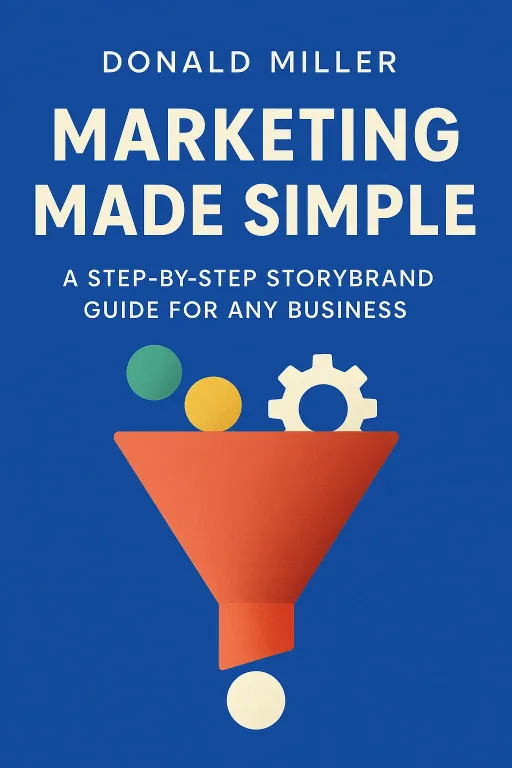
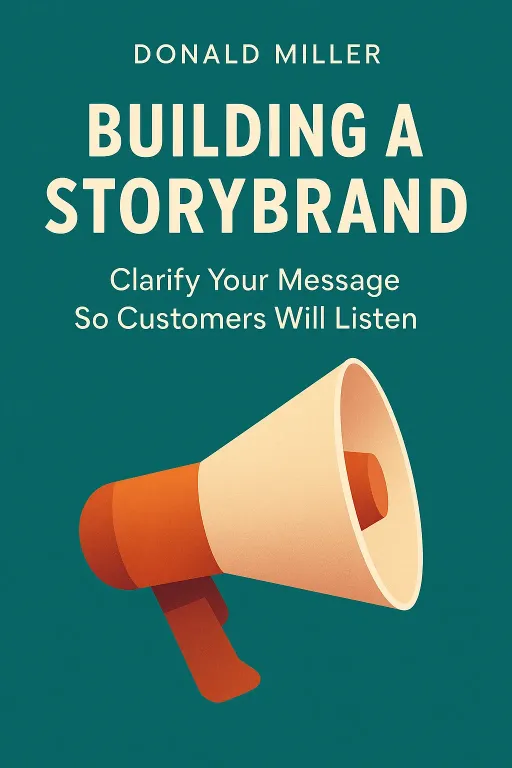
Nova: We're starting with by Donald Miller. What's fascinating about Miller is he didn't start in business; he came from a background in memoir and screenwriting. He realized that the same narrative principles that captivate an audience in a movie or a book could be applied to business messaging. This unique blend of creative storytelling and practical strategy is precisely why his framework became a go-to for countless entrepreneurs looking to clarify their message.
Atlas: That makes sense. Storytelling is powerful. So, today we'll dive deep into this from two perspectives. First, we'll explore how to make your customer the hero of your brand story, then we'll discuss the six principles that make content truly contagious and shareable on platforms like TikTok.
The StoryBrand Blueprint: Making Your Customer the Hero
SECTION
Nova: Exactly. Let's start with Miller's core idea: the customer is always the hero of your brand's story, not your product, not your company. Think about almost any great movie. Who are you rooting for? The main character, right? They have a problem, they encounter a guide, and the guide helps them solve that problem. Your brand needs to be that guide.
Atlas: Hold on. So you’re saying my TikTok Shop, my product, my amazing handmade jewelry... isn't the hero? It's just... the guide? That sounds a bit counterintuitive when I'm trying to sell something.
Nova: It absolutely is counterintuitive, but that's where the magic happens. When brands talk about themselves non-stop, it's like a movie where the camera just stays on the director. Nobody cares! But when you focus on your customer – their desires, their pain points, their aspirations – suddenly, they lean in. They see themselves in the story.
Nova: Miller’s framework simplifies brand messaging into a seven-part story. Let's look at the first few. The 'Character' is your customer. They want something, and they have a 'Problem' preventing them from getting it. Your brand then steps in as the 'Guide,' offering a 'Plan' to solve that problem, leading them to 'Success' and helping them avoid 'Failure.'
Atlas: Okay, so the 'Character' is my customer. Let's say I sell productivity planners on TikTok Shop. My customer isn't just someone who likes pretty stationery. They're probably a "Strategic Balancer" like our listeners, juggling complex demands, trying to optimize their systems. What kind of 'Problem' do they have?
Nova: Exactly! For that customer, the problem isn't just "I'm disorganized." It's deeper. It could be the frustration of missed deadlines, the stress of feeling overwhelmed, the guilt of not having enough time for themselves despite working constantly. It's the emotional toll of their multifaceted schedule.
Atlas: Oh, I know that feeling. So, my planner isn't just a planner; it's the 'Guide' that helps them overcome that feeling of being overwhelmed and reclaim their time.
Nova: Precisely. You’re not selling paper and dates; you’re selling peace of mind, mastery over their schedule, the ability to make a meaningful contribution without sacrificing their well-being. The tiny step here, for any creator watching, is to identify the single problem your product solves for your audience, then present your product as the clear guide that helps them overcome it.
Atlas: That's a great way to put it. It shifts the focus from "buy my thing" to "let me help you." I can see how that would resonate much more deeply, especially on a platform like TikTok where people are looking for solutions and connection, not just ads.
Contagious Content: The Science Behind Shareability
SECTION
Nova: And once you have that clear, customer-centric story, the next step is making sure it actually reaches people, and ideally, spreads. This is where Jonah Berger's book,, comes in. Berger unpacks the science behind why things catch on, revealing six principles of contagiousness.
Atlas: Okay, but isn't 'going viral' just luck? How can a small business on TikTok Shop for contagiousness? It's not always about a 'big idea'; sometimes it's just a great product demo.
Nova: That's a common misconception, Atlas. While there's always an element of serendipity, Berger shows us there are underlying psychological triggers. It's not just about luck; it's about understanding human behavior. For instance, 'Social Currency' – does sharing your content make people look good, smart, or in-the-know? Or 'Emotion' – does your content evoke high-arousal emotions like awe, excitement, or even anger?
Nova: Think about a TikTok video showing a clever way to organize a messy pantry using a specific product. It's not just showing the product; it's showing the and the. The viewer thinks, "Wow, that's brilliant! I need to share this with my friend who complains about her pantry." That's Practical Value and Social Currency at play. They share it because it helps someone and makes them look helpful.
Atlas: That makes sense. So it’s about giving people a reason to share beyond just liking the product. If I'm selling those productivity planners, maybe it's not just showing the planner, but showing how it helps someone achieve a big goal, like launching their side hustle, or finally taking that 'unplugged time' we talked about.
Nova: Exactly. You’re tapping into their aspirations and showing them a tangible path. Another principle is 'Triggers.' How often are people reminded of your product or message in their everyday environment? If your planner is associated with 'Monday morning chaos,' then every time someone experiences Monday morning chaos, your product gets a little mental nudge.
Atlas: That’s fascinating. So, StoryBrand gives us the 'what' to say – make the customer the hero. And Contagious gives us the 'how' to make it spread – tap into these psychological principles. But for someone running a TikTok Shop, trying to balance everything, how do they even begin to deepen that emotional connection with their content?
Nova: That’s the deep question, isn't it? What emotional need or desire does your TikTok Shop content currently tap into, and how can you deepen that connection through more personal stories? It's not about making every video a tear-jerker. It's about authentic connection. Perhaps it's the joy of discovery, the relief of a problem solved, the pride of achieving a goal.
Synthesis & Takeaways
SECTION
Nova: So, the core of our podcast today is really an exploration of how strategic storytelling and the science of contagiousness can transform your TikTok Shop presence from simply transactional to truly magnetic. It's about moving beyond just showing your product to showing how your product transforms your customer's life.
Atlas: Absolutely. For our listeners who are navigating complex demands and seeking tangible results, these aren't just abstract theories. They're actionable blueprints. The Tiny Step is to pinpoint that single problem your product solves and present yourself as the guide. The Deep Question is to genuinely reflect on the emotional needs your content meets.
Nova: Right. Effective storytelling isn't just creative flair; it's a strategic tool. It converts viewers into loyal customers and amplifies your message in what can sometimes feel like an incredibly noisy digital world. It’s about building a narrative that resonates so deeply, it inspires connection and action.
Atlas: That gives me chills, honestly. It’s such a hopeful way to look at something as practical as selling products. It transforms it into something meaningful.
Nova: It does. Think about your own content strategy for your TikTok Shop. Are you making your customer the hero of their own story, or are you still putting your product in the spotlight? What small shift could you make this week to connect more deeply?
Atlas: That’s a powerful challenge. I think many of us, myself included, could benefit from that reframing.
Nova: This is Aibrary. Congratulations on your growth!