Your First Steps to Financial Freedom
Golden Hook & Introduction
SECTION
Nova: You know, Atlas, I was thinking about how we talk about money. Most of the time, the advice sounds like a scolding: "Stop buying lattes! Cut out subscriptions! You're terrible with money!"
Atlas: Oh, I know that feeling. It’s like the financial world expects us to magically transform into spreadsheet wizards overnight, or else we're doomed. It’s exhausting, frankly.
Nova: Exactly! But what if the biggest hurdle to financial freedom isn't the latte, or even the spreadsheet, but the you're telling yourself about money? What if it's less about deprivation and more about deep understanding?
Atlas: Wait, so my morning coffee isn't the enemy? My is? That’s a twist! I imagine a lot of our listeners, especially those trying to build a stable foundation, feel that overwhelming pressure.
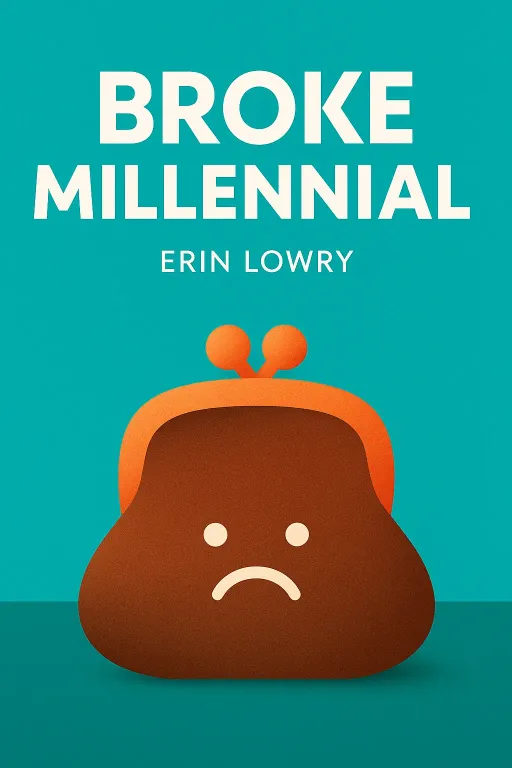
Nova: It’s a profound shift in perspective, and it’s at the heart of two incredible books we’re diving into today. First, we have Erin Lowry’s, a no-nonsense guide that really cuts through the noise. Erin actually started her popular blog, which led to this book, directly from her own struggles with student loan debt and feeling completely lost after college. Her advice is raw, relatable, and born from the trenches.
Atlas: Oh, I love that. Someone who's actually been there, not just talking down from an ivory tower. That’s going to resonate with anyone who’s ever felt like traditional financial advice just doesn’t apply to their messy, real-world situation.
Nova: Absolutely. And then, complementing that practical, on-the-ground approach, we have Paco de Leon’s. Paco brings this incredibly holistic and empowering view to personal finance. What’s fascinating is that before she became a financial expert, Paco had a background as an artist and creative, which really shaped her unique take on money as something deeply personal and emotional, not just numbers.
Atlas: That makes me wonder how these two seemingly different philosophies—one so practical, the other so holistic—actually connect. Is it a "chicken or the egg" situation? Do you fix the numbers first, or the mindset?
The Practical Roadmap: Navigating Financial Pitfalls
SECTION
Nova: That’s a brilliant question, Atlas, and it’s why we’re pairing them today. Let’s start with Erin Lowry’s approach, the practical roadmap. is like that incredibly honest friend who tells you what you to hear, not just what you want to hear. She tackles the immediate pain points: student debt, budgeting that actually works, and those incredibly awkward money conversations we all dread.
Atlas: Right, like how do you tell your parents you can’t afford to fly home for Christmas, or your partner that their spending habits are giving you hives?
Nova: Exactly. Let me paint a picture. Imagine a young woman, let’s call her Sarah. She graduated with a mountain of student debt, got a decent job, but every month, after rent and minimum payments, she felt like she was just treading water. She’d try to budget, but it always felt restrictive, like she was punishing herself. She was also terrified to talk about money with her live-in boyfriend, Mark, even though they shared expenses.
Atlas: Oh, I’ve been there. That knot of dread when you open your banking app. It’s not just about the numbers; it’s the shame, the fear of judgment.
Nova: Precisely. Lowry’s approach here is revolutionary in its simplicity. She doesn't just say "make a budget"; she guides you to create a "budget that works for." For Sarah, it meant realizing her strict excel sheet budget was unsustainable. Lowry suggested she track her spending for a month, just to see where her money actually went.
Atlas: So basically you’re saying, get the data first, without the emotional baggage?
Nova: Exactly. And the outcome for Sarah was eye-opening. She saw she was spending a significant amount on impulse buys and eating out, not because she to, but because she felt deprived by her rigid budget. Lowry then helped her reframe her budget not as a cage, but as a spending that allocated money to things she truly valued, while also making consistent, slightly larger payments on her student loans.
Atlas: That’s a great way to put it. It’s like giving yourself permission to spend, but with intention. But what about those dreaded money conversations? That’s where things usually go south.
Nova: Lowry has a brilliant, almost tactical approach. For Sarah and Mark, she encouraged Sarah to frame it as a "we" problem, not a "you" problem. Instead of "You spend too much," it became, "I'm feeling anxious about our shared financial future, and I think we need a plan. Can we set aside an hour to talk about this?" She even provides scripts and conversation starters.
Atlas: Wow. That’s actually really inspiring. It takes the blame out of it and puts the focus on solutions. So, the process for Sarah was, first, non-judgmental tracking, then creating a values-aligned spending plan, and finally, using structured, empathetic communication to tackle shared finances. The outcome: less anxiety, more control, and a stronger relationship with Mark because they were finally a team.
Nova: And that’s the power of Lowry’s practical, no-nonsense advice. It’s about empowering people to take concrete steps, even when they feel overwhelmed, to navigate those common financial pitfalls. It’s about getting the map in your hands.
The Mindset Shift: Understanding Your Relationship with Money
SECTION
Nova: But once you have the map, Atlas, there's a deeper layer. It’s not just about knowing to do, but understanding you do what you do with money. This is where Paco de Leon’s truly shines, pushing us beyond conventional advice into a holistic understanding of our money relationship.
Atlas: So it's not just about spending less, it's about... financial therapy, almost? I’m curious, how do you even to "understand your relationship with money"? Sounds a bit abstract for someone just trying to pay bills.
Nova: It can sound abstract, but Paco makes it incredibly tangible. She argues that our financial behaviors are deeply rooted in our past experiences, our upbringing, and the "money scripts" we unconsciously internalize. Imagine someone like David. By all appearances, he’s financially successful: high-paying job, nice apartment, invests regularly. Yet, he’s constantly anxious about money, always feeling like he doesn’t have enough, even though he clearly does. He works himself to exhaustion, terrified of losing it all.
Atlas: Oh, I know that feeling. That’s going to resonate with anyone who’s achieved a certain level of success but still feels that gnawing insecurity. It’s like chasing a finish line that keeps moving.
Nova: Exactly. David’s problem wasn't a lack of income or even poor budgeting; it was a deeply ingrained scarcity mindset, stemming from a childhood where his family struggled financially. He believed money was precarious and had to be hoarded, and that his worth was tied to his earning capacity. Paco’s approach helped him uncover this "money autobiography."
Atlas: A money autobiography? What does that entail?
Nova: It’s a process of reflecting on your earliest memories and experiences with money, identifying key messages you received, and how those shaped your current beliefs. For David, it was realizing his constant anxiety wasn't rational in his current situation, but an echo of past scarcity. Paco then guides you to build financial that align with your, rather than just following generic rules.
Atlas: That makes me wonder, how does that translate into actionable steps? How do you go from a childhood memory to changing your investment strategy?
Nova: It’s about conscious design. Instead of David just automatically saving every spare penny out of fear, Paco encouraged him to define what "enough" meant for him, and what true financial security looked like, beyond just a number. It involved setting up automated savings and investments, yes, but also consciously allocating funds for experiences and well-being, which were his true values. He designed a "freedom fund" for career sabbaticals, which reduced his work-related anxiety and allowed him to feel more in control.
Atlas: That’s brilliant. It's like building guardrails for your values. So the process for David was: first, deep self-reflection through his money autobiography, then identifying and challenging his unconscious money scripts, and finally, designing automated financial systems that supported his holistic well-being rather than just chasing an arbitrary number. The outcome: a profound sense of peace and security, even though his actual net worth might not have drastically changed overnight. It’s about feeling wealthy, not just being wealthy.
Nova: Precisely. It’s about building a financial life that truly serves, not a life where you feel enslaved by your finances. It’s recognizing that financial freedom isn't just about having money; it's about having a healthy, empowering relationship with it.
Synthesis & Takeaways
SECTION
Nova: So, when you bring these two perspectives together, Atlas, it’s incredibly powerful. Erin Lowry gives you the practical map to navigate the immediate terrain, tackling debt and budgeting with clear, actionable steps. Paco de Leon then provides the compass, helping you understand your inner landscape and design a journey that truly aligns with your deepest values. You need both the map the compass to reach your destination.
Atlas: That’s such a fantastic analogy. It’s not just about the external actions; it’s about the internal alignment. And this is where the "Money Date" comes in, right? That tiny step that bridges both worlds?
Nova: Absolutely. The "Money Date" is the perfect embodiment of both philosophies. It’s a weekly, scheduled time – even just 15 or 20 minutes – to review your spending, track progress towards a goal, and then set for the upcoming week. It could be researching investment basics, or setting up an automated transfer, or even just scheduling that awkward money conversation.
Atlas: That’s brilliant for someone feeling overwhelmed. Just 15 minutes, once a week, to check in. It takes away the pressure of "I need to fix everything right now" and replaces it with "I can take one tiny step." That resonates with our listeners who crave balance and want to start small.
Nova: It truly does. It’s about consistent, intentional engagement with your finances, both practically and emotionally. It’s about moving from a place of anxiety and reaction to one of empowerment and thoughtful action. Financial freedom isn't a destination you arrive at; it's a journey, a continuous process of learning, adjusting, and aligning your money with your life.
Atlas: And it’s a journey that starts with one small, consistent step. So, for our listeners, I’d say: try that 'Money Date' this week. Even if it's just 10 minutes to look at your bank account without judgment. What story does your money tell you? And what story do you want it to tell?
Nova: And remember, whether you’re tackling student debt or seeking deeper financial peace, understanding your money means understanding yourself.
Nova: This is Aibrary. Congratulations on your growth!