

The Cradle of Humanity: Birth and Beyond
Golden Hook & Introduction
SECTION
Nova: Imagine a moment universally celebrated as the ultimate act of creation, yet one that, for many, is fraught with fear, anxiety, and a profound sense of disempowerment. We're talking about birth, but not just the physiological event. We're talking about the silent battle for autonomy happening in delivery rooms worldwide.
Atlas: Wow, that’s a heavy opener, Nova. Most people think of birth as a beautiful, albeit painful, natural process. What kind of battle are we talking about?
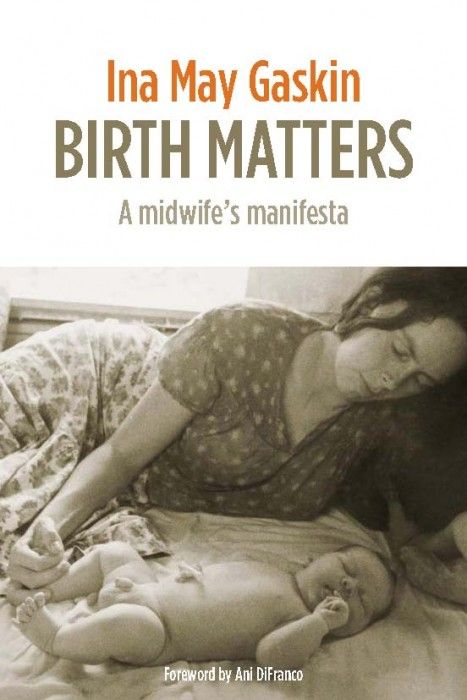
Nova: A battle against a system that, for all its good intentions, often treats birth as a medical emergency waiting to happen, rather than a powerful, innate physiological process. Today, we're tearing into that paradigm with two groundbreaking books: Ina May Gaskin's "Birth Matters: A Midwife's Manifesta" and Jennifer Block's "Pushed: The Painful Truth About Childbirth and Modern Maternity Care."
Atlas: Ina May Gaskin, she's a legend! The mother of modern midwifery, right? Her work at The Farm is pretty iconic. And "Pushed" sounds like it's going to pull back the curtain on some uncomfortable truths. What makes these books so critical for understanding this 'battle,' as you call it?
Nova: Absolutely, Atlas. Gaskin, with her decades of experience and wisdom from The Farm, fundamentally reshaped our understanding of natural birth, advocating for women’s inherent power. She's less about technique and more about trust in the body. Block, on the other hand, is an investigative journalist who meticulously uncovers the systemic issues. Her deep dives into hospital policies and the politics of maternity care earned "Pushed" significant critical acclaim, sparking conversations about patient rights and informed consent in a way few books had before. Together, they form a powerful critique and a roadmap for change.
The Medicalization of Birth: Challenging the Status Quo
SECTION
Atlas: That’s fascinating. So, Gaskin is the visionary, and Block is the truth-teller. It makes me wonder, how did we even get to a point where birth became so medicalized that we need books to remind us it's a natural process?
Nova: It’s a complex history, really. For millennia, birth was fundamentally a social event, managed by women, in homes. But starting in the early 20th century, particularly after World War II, there was a dramatic shift towards hospital births. Doctors, predominantly men, began to replace midwives, and medical interventions, once rare, became routine.
Atlas: So, it wasn't just a gradual evolution, but a deliberate shift? Like, a power takeover from midwives to doctors?
Nova: In many ways, yes. Block’s "Pushed" really delves into this, showing how the rise of obstetrics coincided with a devaluation of midwifery. She points to how medical training often frames birth as inherently risky, requiring constant surveillance and potential intervention. This mindset, while sometimes necessary for complications, became the default for all births.
Atlas: That's interesting. I imagine a lot of our listeners might feel like, "Aren't doctors just trying to keep everyone safe?" It sounds a bit counterintuitive to criticize modern medicine in this context.
Nova: That’s the core tension, isn't it? Gaskin, through countless stories from The Farm, demonstrates that safety and natural birth aren't mutually exclusive. She argues that excessive interventions – from routine IVs and continuous fetal monitoring to labor induction and C-sections – can actually risks for low-risk women and disrupt the natural flow of birth. She calls it the 'cascade of intervention.'
Atlas: The 'cascade of intervention.' Can you give an example of how that typically plays out?
Nova: Absolutely. Imagine a birthing person arrives at the hospital. They’re often immediately hooked up to an IV and continuous electronic fetal monitoring. This restricts movement, which can slow labor. Slow labor might then lead to synthetic oxytocin to speed things up. That often intensifies contractions, making them harder to manage naturally, which frequently leads to an epidural. An epidural can further slow labor and sometimes makes pushing less effective, increasing the likelihood of instrumental delivery or even a C-section.
Atlas: Oh man, it's like a domino effect. One intervention makes another one seem necessary. So, what starts as a seemingly small, preventative measure can quickly spiral into something much more complex and invasive.
Nova: Exactly. And Gaskin's argument, supported by decades of experience, is that many of these interventions are not evidence-based for low-risk births. She observed that when women felt safe, respected, and unhurried, their bodies often knew exactly what to do. Her work is filled with empowering stories of women having joyful, unmedicated births simply by trusting their bodies and being supported by knowledgeable, patient midwives.
Atlas: That's actually really inspiring. It sounds like she's saying the environment, and the mindset of the caregivers, fundamentally changes the birth experience.
Nova: Precisely. Block echoes this by highlighting how hospital protocols, designed for the lowest common denominator of risk, often strip away a birthing person's agency. She exposes how, despite evidence, some practices persist due to convenience, legal concerns, or simply inertia within the medical system. It's a powerful indictment of a system that often prioritizes efficiency over the birthing individual's experience and long-term well-being.
Empowering Birthing Individuals: Autonomy, Advocacy, and Natural Birth
SECTION
Atlas: So, if the system is so entrenched, how do we push back against this medicalized approach? It sounds like it requires a massive cultural shift.
Nova: It absolutely does, and that naturally leads us to the second key idea: empowering birthing individuals through autonomy and advocacy. Both Gaskin and Block champion the idea of informed consent and patient rights, but Gaskin takes it further, focusing on the innate power of the birthing body.
Atlas: Informed consent, that makes sense. But what does 'innate power' actually mean in a delivery room? Is it just about having a pain tolerance, or is there something deeper?
Nova: It's much deeper. Gaskin introduces the concept of the 'Sphincter Law,' a brilliant analogy. She explains that the smooth muscles of the cervix, like other sphincters in the body – think about needing to use the restroom – relax involuntarily when a person feels safe, private, and unobserved. If you're feeling stressed, anxious, or watched, those muscles can clench up, slowing labor dramatically.
Atlas: Oh, I see! So, it’s not just about physical comfort, but also psychological and emotional safety. It’s like trying to relax when someone is staring at you. Impossible!
Nova: Exactly! It’s a powerful illustration of the mind-body connection in birth. Gaskin's approach is to create an environment where the birthing person feels utterly safe, respected, and in control, allowing their body to do what it’s naturally designed to do. This means minimizing unnecessary noise, bright lights, and constant interruptions.
Atlas: That makes me wonder, how does this translate into practical advocacy for someone navigating modern maternity care? Because not everyone has access to a free-standing birth center like The Farm.
Nova: That’s where Block’s investigative work becomes incredibly practical. She arms readers with the knowledge to ask critical questions: "What is the evidence for this intervention?" "What are the alternatives?" "What happens if we wait?" Understanding the politics and practices of modern care means a birthing person can advocate for themselves, or have an advocate who can. It’s about demanding respectful, evidence-based care, even within a hospital setting.
Atlas: So basically you’re saying, knowing the system and understanding your body's capabilities are two sides of the same coin when it comes to reclaiming birth. It’s not just about what happens in the delivery room, but also about the larger societal and political forces at play.
Nova: Precisely. For someone aspiring to be a midwife or nurse, this perspective is invaluable. It’s not just about mastering clinical skills, but about fostering an ethical framework rooted in compassion and patient autonomy. It’s about becoming a fierce advocate for birthing individuals, ensuring their voices are heard and their choices are respected, even when those choices diverge from standard protocols.
Synthesis & Takeaways
SECTION
Atlas: This has been incredibly insightful. It's clear that the conversation around birth needs to move beyond just 'safe delivery' to encompass the entire experience and the long-term well-being of the birthing individual. It’s about more than just a baby being born, it’s about a person being born into parenthood, and that journey starts with how they’re treated.
Nova: Absolutely, Atlas. The profound insight from these books is that birth is not just a medical event, but a deeply transformative human experience. When we medicalize it unnecessarily, we risk stripping away not just physical autonomy, but also the psychological power and confidence that can come from a respected birth. Reclaiming birth, as Gaskin and Block suggest, is about recognizing and honoring the inherent wisdom of the body and empowering individuals to make informed choices. It’s a call to action for caregivers to be truly compassionate, to listen, and to advocate, ensuring that every birth is not just safe, but also empowering and respectful.
Atlas: That’s a powerful message. It definitely challenges conventional thinking and sparks a lot of self-reflection. For anyone in healthcare, or anyone planning to become a parent, this conversation is essential. It really frames birth as a human right to dignity and autonomy.
Nova: Indeed. And if this conversation resonated with you, we encourage you to share your thoughts and experiences. How has understanding the physiological and political aspects of childbirth empowered you or changed your perspective? We’d love to hear from you.
Atlas: This is Aibrary. Congratulations on your growth!