The Person You Need To Kill To Write Your Book (The Perfectionist)
Golden Hook & Introduction
SECTION
Rachel: Alright. Let’s start from the top. Justine: Wait. You’re really opening with “Dear future writer”? Rachel: Yeah. Why not? It’s the whole idea. A letter to the listener. Justine: It sounds like we’re about to sell them a typewriter. Rachel: Fair. Okay, new version. Dear future writer, you don’t need talent. Justine: Now we’re talking. That’s brutal. Honest. Perfect. Rachel: Because that’s the myth, right? That great writing is something you’re born with. When really, it’s what you build sentence by sentence, day after day. Justine: Or night after night, if you’re like me and your muse only shows up after three cups of tea. Rachel: Exactly. So today’s episode is a few letters to that version of you — the one still waiting to start. Justine: Letters for the brave, the blocked, and the mildly caffeinated. Rachel: Exactly. Let’s start with the first one. Dear future writer, meet your enemy. Justine: Oh, good. Conflict right away. We love a villain. Rachel: Steven Pressfield calls it “Resistance.” Capital R. It’s that invisible force that appears the moment you try to do something that matters. Justine: You mean like suddenly deciding to vacuum instead of writing? Rachel: Exactly that. Pressfield says it’s not laziness — it’s fear, wearing the mask of busyness. Justine: Fear’s a master of disguise. It’ll convince you that cleaning the fridge is urgent art. Rachel: He writes, “Most of us have two lives: the life we live, and the unlived life within us. Between the two stands Resistance.” Justine: Ouch. That hits like a mirror. Rachel: Right? So the goal isn’t to defeat fear. It’s to work beside it. To show up anyway. Justine: Like, “Hey Fear, grab a chair, we’re writing today.” Rachel: Exactly. The amateur waits for inspiration. The professional sits down no matter what. Justine: So the first letter says: Dear future writer, fear isn’t the signal to stop — it’s the signal you’re doing something that matters. Rachel: Perfect. That’s the compass. Follow it.
Dive into key insights and ideas
SECTION
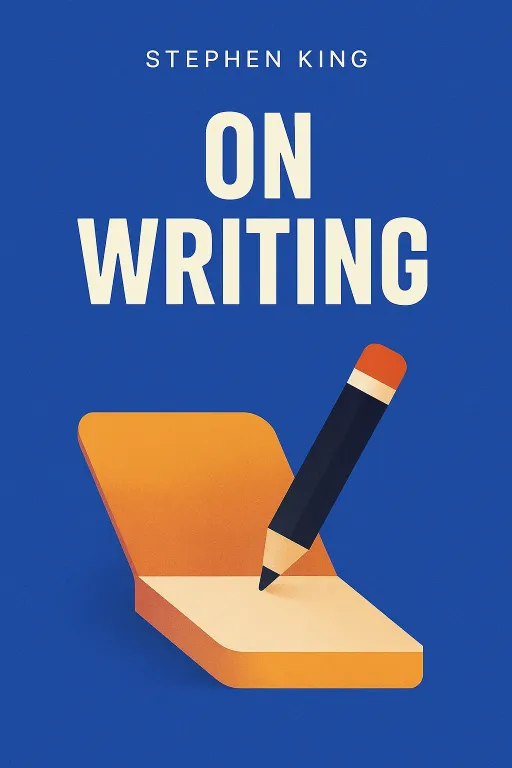
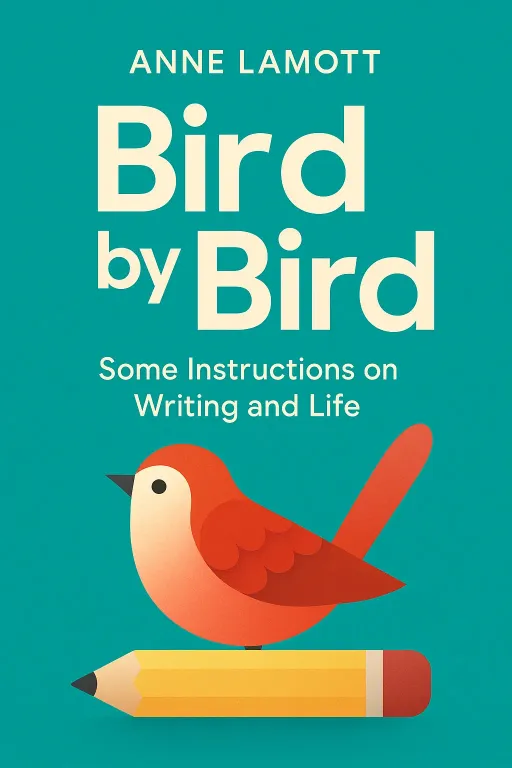
Rachel: Second letter. Dear future writer, your first draft will be bad. Justine: Oh good, my autobiography. Rachel: Straight from Anne Lamott’s Bird by Bird. She says every great writer starts with “shitty first drafts.” Justine: Which is the most comforting phrase in literary history. Rachel: Right? It’s permission to make a mess. The first draft is for discovering what you’re trying to say, not proving you’re brilliant. Justine: But that’s hard. We want it perfect right away. Rachel: Yeah, but perfectionism isn’t ambition. It’s fear pretending to be high standards. Justine: That’s true. I’ve stared at blank pages so long they’ve started to feel judgmental. Rachel: Lamott says writing is like taking a Polaroid: you don’t know what you’ve got until the picture develops. Justine: I like that. You have to trust the process. Rachel: One small piece at a time. Bird by bird. Justine: So the second letter says: Dear future writer, stop trying to be brilliant. Be brave instead. Write something true, even if it’s messy. Rachel: Because you can’t fix what doesn’t exist. Letter three. Dear future writer, write like you work in a garage. Justine: That smells like Stephen King. Rachel: You guessed it. On Writing. King treats writing like a trade. He says amateurs wait for the muse — professionals show up for work. Justine: Didn’t he literally write Carrie in a laundry room? Rachel: Yep. Two kids, no money, laundry hanging over his head — and he still wrote every day. Justine: So, no excuses. Just sentences. Rachel: Exactly. He talks about the writer’s “toolbox” — vocabulary, grammar, rhythm. You build skill by using it. Justine: It’s like building muscle. Reps. Rachel: Totally. One of his best lines is, “The adverb is not your friend.” Justine: I can hear half the internet disagreeing. Rachel: It’s not about grammar snobbery. It’s about trust. Overwriting happens when you don’t trust the reader to understand. Justine: So, the third letter says: Dear future writer, respect the craft. The muse loves momentum. Rachel: And she only visits the ones already typing. Fourth letter. Dear future writer, clarity is kindness. Justine: Ah, Steven Pinker steps onto the stage. Rachel: The Sense of Style is basically a guide to empathy through language. Pinker says the biggest problem in writing is the “curse of knowledge.” Once we understand something, we forget what it’s like not to. Justine: Which explains every email that’s ever made me question my literacy. Rachel: Exactly. When you write clearly, you’re helping someone else think. It’s generosity disguised as grammar. Justine: That’s kind of beautiful. Writing as moral clarity. Rachel: Yeah. You can either write to impress or write to connect. One builds ego, the other builds bridges. Justine: So this letter says: Dear future writer, clarity isn’t decoration. It’s compassion. Rachel: And courage — because being understood is risky. It means you’re seen. Last one. Letter five. Dear future writer, stories are how you survive yourself. Justine: That’s poetic. Lisa Cron, right? Rachel: Story Genius. She says stories aren’t about entertainment — they’re about survival. Our brains use story to simulate life, to test choices without the danger. Justine: So that’s why we can’t stop watching or reading. It’s practice for being human. Rachel: Exactly. Cron says the point of every story isn’t what happens — it’s what it means to the character. Justine: Which is true for real life too. We all rewrite our own stories trying to make sense of who we are. Rachel: That’s why writing takes courage. Every story risks something. Justine: So the last letter says: Dear future writer, your story isn’t what happened — it’s what you made of it. Rachel: And writing it is how you find your way through.
Key takeaways
SECTION
Justine: Alright. We’ve written five letters. You ready for the last one? Rachel: Together this time. Dear future writer— Justine: Dear present listener— Rachel: You’ve been told that writing is talent. Justine: It’s not. It’s attention. Rachel: The courage to look closely at what’s real. Justine: You’ll face fear, distraction, and doubt. That means you’re doing it right. Rachel: You’ll write terrible drafts. You’ll rewrite them. Then you’ll write again. Justine: Because the goal isn’t perfection. It’s truth. Rachel: Pressfield taught you to face the enemy. Justine: Lamott gave you permission to be messy. Rachel: King taught you to show up. Justine: Pinker reminded you that clarity is empathy. Rachel: And Cron showed you that story is how we survive. Justine: Great writing isn’t magic. Rachel: It’s courage. Justine: And precision. Rachel: And showing up again tomorrow. Justine: So write. Rachel: Word by word. Justine: Line by line. Rachel: This is Aibrary, signing off.